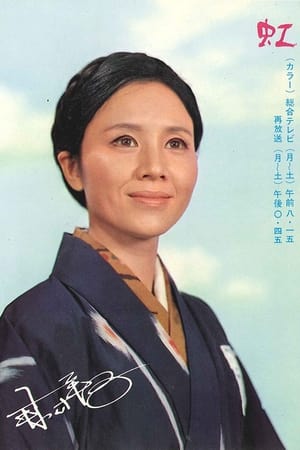
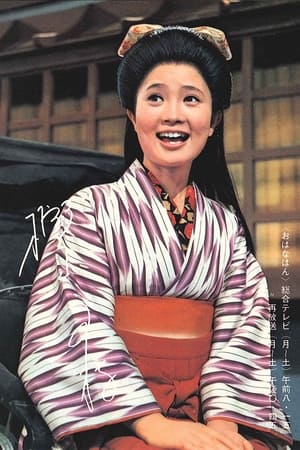
Starring Yōko Minamida as a woman who supported her family during and after World War II. All episodes are missing from the NHK archives, though a brief clip does survive as part of a contemporary news segment documenting the drama's production.
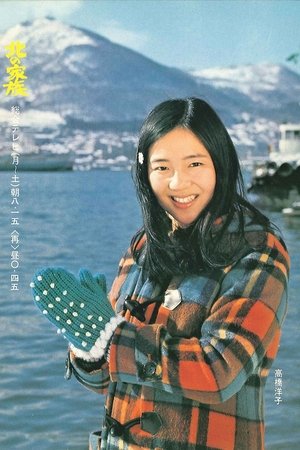
The 13th NHK Asadora. Starring Youko Takahashi in a story about a brother and sister coming of age in Hakodate and Kanazawa.
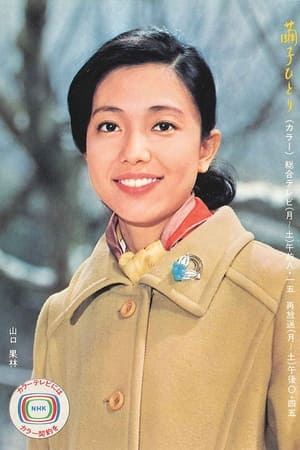
The 12th NHK Asadora. Set in Amakusa, Kumamoto Prefecture, at the end of the Pacific War. Maki is the heroine, married to Shuichi who must go to war. She stays home and takes on the role of other war widows, managing business and a Chinese restaurant.
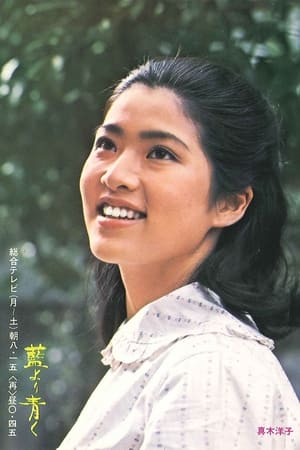
Kano is known as a "cocoon child" whose father is an agriculturist. Her mother disappeared when she was little and since then Kano has been wondering why her mother left her thus changing the shape of her life.
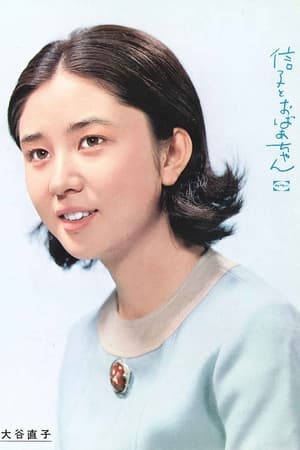
The 9th NHK Asadora. Starring Naoko Otani as a young woman living with her grandmother.
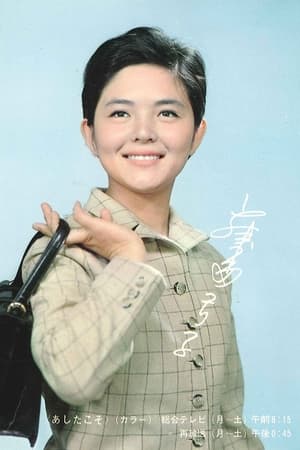
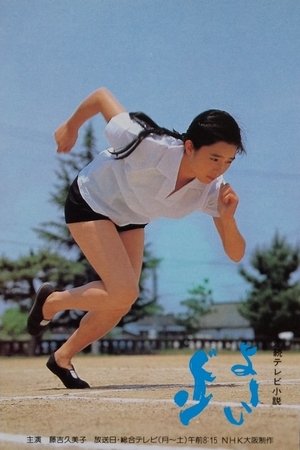
The 8th NHK Asadora. Starring Yumiko Fujita in a family drama. The first Asadora filmed in color.
The 7th NHK Asadora. Starring Tadashi Yokouchi in a narrative about an employee of the national railroad living through 50 years of modern history with his wife.
The 6th NHK Asadora. Starring Fumie Kashiyama as a woman, born in the Meiji era, who raises a family by herself.
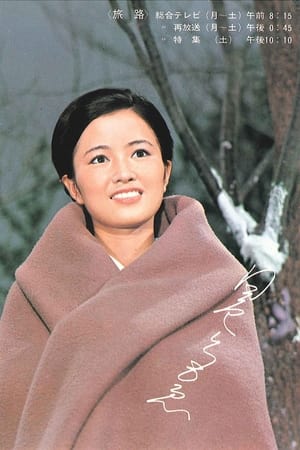
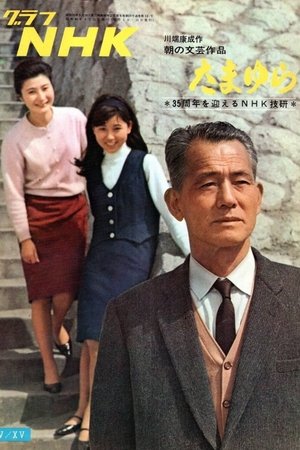
The 5th NHK Asadora. Starring Chishuu Ryuu as an old man who begins to travel after he retires. From a story written for television by Yasunari Kawabata.
The 3rd NHK Asadora. Starring Shin Saburi as a professor who quits the university to become a painter.
The 2nd NHK Asadora and the first Asadora to be broadcast in 15-minute episodes Monday through Saturday. Starring Fumiko Watanabe in a drama of a poor family after the war.
A television serial that was in turn adapted from a radio series and a novel, My Daughter And I featured a Japanese novelist who is married to a French woman who have one daughter. The man and his daughter begin a new life when the woman dies. Having difficulty spending time with his daughter, the man sends his daughter to a Christian boarding school. He remarries and brings his daughter back home. After the end of the World War his lot improves professionally, yet his second wife dies.
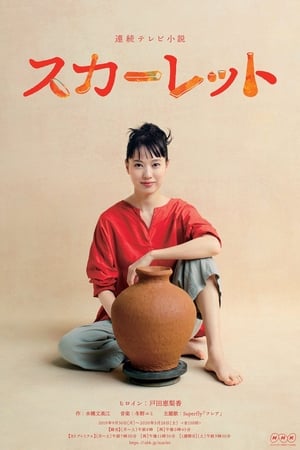
Born in 1937 in Osaka as the eldest daughter, Kawahara Kimiko moves to Shigaraki with her family at the age of 9. She works to support her family from a young age. Eventually, she jumps into the male world of pottery and becomes a pioneer of female ceramic arts. After marrying her husband who is also involved in ceramics and owning her own kiln, she raises her two children while struggling to create unique ware.
Aki Amano, a high-school girl from Tokyo moves to the Sanriku Coast in the Tohoku region to become a female diver. She becomes a local idol, then returns to Tokyo to try to become a real idol, and finally returns to Tohoku to help revitalize the area after the Great East Japan earthquake.
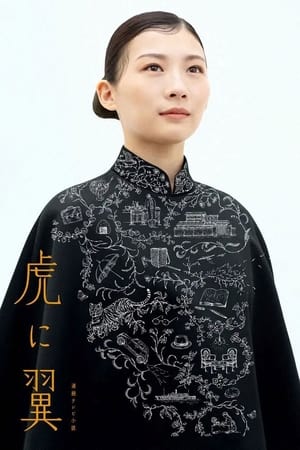
In the early Showa era, Japan’s first women’s law school opens, and the protagonist, Inotsume Tomoko, gains nationwide attention as one of the first female lawyers in the country. However, after facing wartime Japan’s harsh realities and losing everything, she becomes a judge with her legal knowledge and dedicates herself to establishing the family court. She stands passionately for the hardships that politics and economics cannot solve.
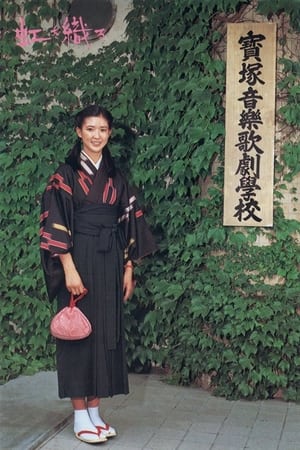
The 26th NHK Asadora. Shimazaki Kayo is a woman from Hagi, Yamaguchi, who joins the Takarazuka Revue, a Japanese all-female musical theater troupe based in Takarazuka, Hyougo Prefecture, Japan. Women play all roles in lavish, Broadway-style productions of Western-style musicals, and sometimes stories adapted from shoujo manga and Japanese folktales.
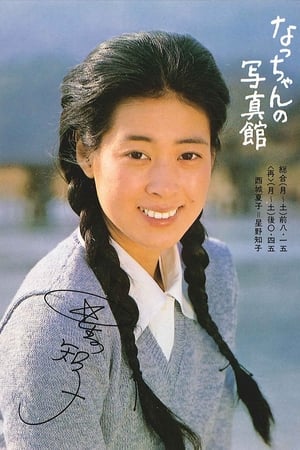
The 25th NHK Asadora. Nishiki Natsuko is a woman who strives to become a photographer.
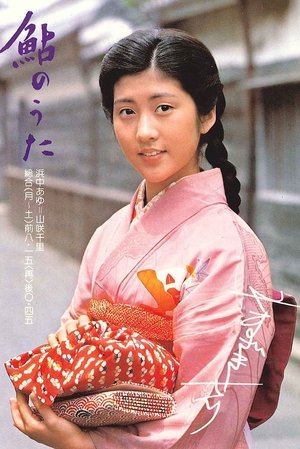
The 24th NHK Asadora. Starring Senri Yamazaki as a woman who makes her life at a fishing port.
A struggling Korean veteran comes to terms with the fact that he is actually a caterpillar. I just made this up.
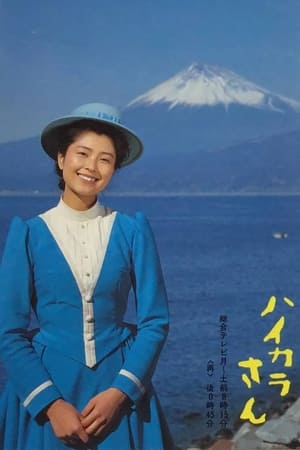
The 29th NHK Asadora. Starring Satomi Tezuka as a woman who starts a hotel in the Meiji era.