WWII: The Lost Color Archives
Cesty do krajin půlnočního slunce
In a defining moment for the natural world, Gordon Buchanan makes an epic journey round the equator - taking to the skies with experts racing to protect both wildlife and people.
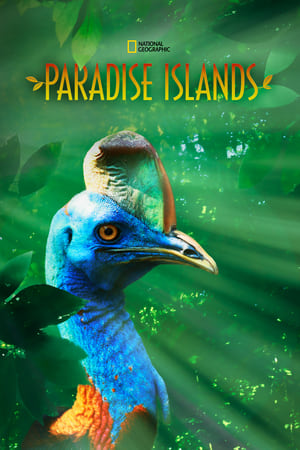
Southeast Asia is the most diverse region on our planet. Nature’s most powerful forces have combined to create islands of fire, a water world driven by the sway of the moon and rich forests fuelled by the tropical sun. An extraordinary array of plants and animals live here; many of which are found nowhere else on Earth.
Best friends come in all shapes, sizes, and species, from America to Australia, and from Britain to Zimbabwe. This six-part series looks at the cutest, funniest, and least expected animal relationships in the world, featuring animals that shouldn't get along but, for whatever reason, make their special bonds work. Join us as we travel the globe to meet an orphaned rhino calf and her dog and sheep companions, an orphaned baby kangaroo and a wombat, a zebra-donkey hybrid and two camels, and many more unusual but amazing friendships.
From the Taiga to the Tundra to the Arctic Ocean, this series immerses the viewer in the nature of the northern extremities of Europe, beyond the Arctic Circle and into a land of ice and fire. Wildest Arctic captures the awesome cinematic range of the Arctic region, from the creaks, crashes of vast glaciers, to the howls of the wildest wolves and the haunting remoteness of this true wilderness.
Voyage to Europe's Carpathian mountains, where vast primeval forests, steep gorges, and isolated peaks offer a vital refuge to some of the continent's most charismatic creatures, including massive brown bears, elusive lynx, and the Eurasian wold.
Sitting on top of one of the world’s largest super-volcanos are 3,500 square miles of the most spectacular American wilderness. This summer, National Geographic Channel opens this world to you LIVE with a four-night special event. The action reaches boiling point in the world’s first National Park, Yellowstone.
Millions of years ago, incredible forces ripped apart the Earth’s crust creating seven extraordinary continents. This documentary series reveals how each distinct continent has shaped the unique animal life found there.
Through unprecedented access we showcase the spectacle that is Wild Russia. From east to west, via mountains, volcanoes, deserts, lakes and Arctic ice, this breathtaking six-part series uses stunning cinematography to chart the dazzling natural wonders of this vast country.
There is a remarkable zoo in Nebraska that has enclosed its entire grounds and flipped night for day, allowing visitors to experience nocturnal animals in their natural habitat, when the animals are awake. In California, a zoo allows cheetahs to engage in free-roaming hunts. Another encourages rare, nearly extinct species to breed. This documentary is a close-up, behind-the-scenes look inside the world’s most fascinating and animal-friendly zoos.
A three-part documentary series that journeys to the heart of Ireland's coast, revealing its fascinating origins, rich biodiversity and magnetic charm.
From the golden beaches of Australia and the deep jungles of Panama to the foothills of Kilimanjaro and the Serengeti Plains, this series takes you into the amazing world of animal communities. You will see the hidden dramas of the animal world: the alliances that are formed, the changes that take place and the passions that ignite. Nothing is static, everything evolves.
An animated globe named Spin whisks kids around the world, teaching them about animals and their habitats.
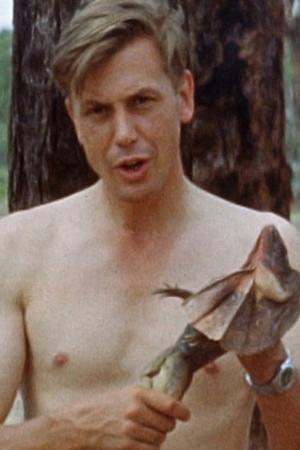
David Attenborough celebrates the amazing variety of the natural world in this epic documentary series, filmed over four years across 64 different countries.
Afrique, les arbres de la vie
Hüter der Erde
David Attenborough embarks on a remarkable 500 million-year journey revealing the extraordinary group of animals that dominate our world, and how their evolution defines our human bodies.
Far From being passive or boring, Plants have evolved a host of tricks to beat the elements, predators and other plants
The tropical islands that lie between Asia and Australia are among the biologically richest on earth, and home to a vast number of plants and animals. From tree kangaroos to tarsiers, manta rays to mudskippers, the region abounds with life. But why? The answer lies deep in time, due to the many millions of years these islands have existed - and the power of the earth, the sun and the moon.