I went on a 5 week trip through Switzerland, Italy & Croatia, my first big trip in over 18 months.
東·南歐潮什麼
À deux, c'est mieux!
Vůně albánské kuchyně s Miroslavem Donutilem
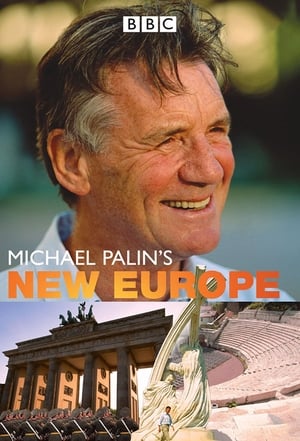
Michael Palin explores European countries that were once behind the Iron Curtain.
Bastardi
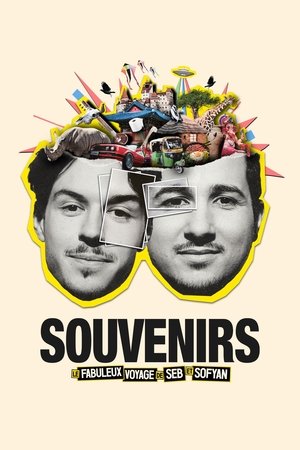
Two friends, Seb and Sofyan, travel to four different countries and do the most unusual things.
A girls' handball team from Mostar fled the war in the former Yugoslavia in the early 1990s, thanks to their coach. After a perilous bus journey, they arrived in Oosterblokker; without their parents, living in fear and uncertainty. Searching for answers, the women returned 33 years later, by bus to Mostar.
Mafia Connection exposes old and new mafia organizations threating Italy.
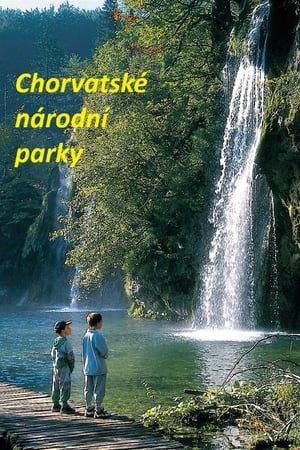
Chorvatské národní parky
A 12-episode documentary series about the Independent State of Croatia.
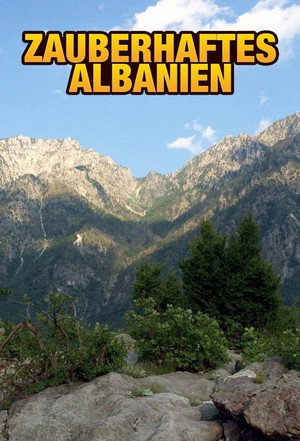
Zauberhaftes Albanien
The intertwined lives of numerous characters set in 1990s Belgrade who all try to live happily during rather unhappy times.
During WW2, a young student of medicine comes to the big city to discover the secret of death, and stays at a motel that turns out to be a brothel. He is asked from Ustasha officer to perform experiments of resurrecting the dead, while the Fascist authorities look for a female communist hiding in the city.
"Stanje Nacije" is a political satire edited and hosted by Zoran Šprajc, and it airs on Fridays at 10:30 pm on "RTL".
SRAM is an adaptation of the original Norwegian teen drama series SKAM from 2015, which explores themes of adolescents' emotional development through the lens of social realism.
The series tells the story of a group of British peacekeepers serving in a peacekeeping operation of the UNPROFOR in Vitez, in Bosnia during the Lašva Valley ethnic cleansing in 1993.
The series focuses on the Croatian struggle for independence, dating as far back as 1895.
The story is about funny experiences of a politician named Srećko Šojić, played by Milan Gutović.
The eight-episode series follows the life of the writer Ivo Andrić during several months in the fall and winter of 1961, from the moment he found out he had won the Nobel Prize until he returned from the award ceremony, via Switzerland, to Belgrade. Each of the episodes has two parallel streams of narration: one, related to the year 1961, in which we follow Andrić's preparations for going to Stockholm, and the second, a subjective jump back to the past. Andrić's view of the key moments of his own life, which were almost always the key moments of the country where he lived and lives, the encounters and decisions he made, is full of questioning, doubts and re-evaluation. Through eight episodes, the most important, well-known and less well-known, paths that Andrić walked, the faces that surrounded him and the places where he lived during the winter of 1961 and throughout his life are revealed and followed.