The Australian Ballet has evolved to become our nation's most treasured performing arts company and an icon of dance. 'And We Danced' looks back to reveal what has shaped this world-class institution and made it uniquely ours.
Great Art Explained is a video series that focuses on one piece of art per episode, breaking it down, using clear and concise language free of 'art-speak'.
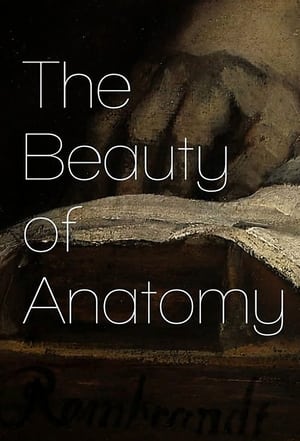
Dr Adam Rutherford investigates the close relationship between discoveries in anatomy and the works of art that illustrate them.
Hervé Tullet, an artist of playful and uninhibited creations, invites young and old to unleash their creativity. He offers a series of creation, recreation and inspiration workshops, so that anyone can put together their own Ideal Exhibition.
Through the beauty of artistic forms, Ramon Gener goes inside the inner workings of human nature. All artists use art to explain their emotions.
Our citizen space accommodates a large number of artistic manifestations that account for the way in which their authors interpret the context in which they are immersed. Living Art is a series of 10 chapters that seeks to be the reflection of the views of those who through art pay new ways of interpreting the world but above all to share their interests, their passions as well as their likes and dislikes which are a fundamental part of his inspiration, thus focusing on his human side.
Ångest non stop
Rebellious, provocative and unapologetic. The Young British Artists crashed the 90s art scene, making Tracey Emin, Damien Hirst and others household names. This is their story.
An art magazine show guest-edited by a different personality each week.
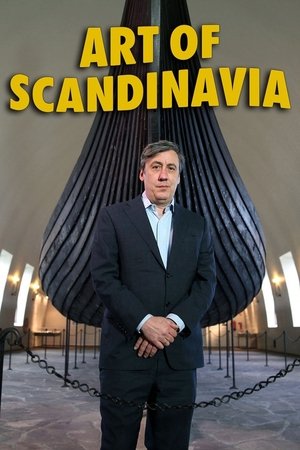
Andrew Graham-Dixon explores the history of Scandinavia through its art.
« For over twenty years we have filmed at night in the most important museums in the world. It's the only possible time to film the empty halls or the precious artifacts out of the windows because there are no visitors. But at night the Museum changes face. Just you in front of the masterpieces in the silence. The Museum seems to show and offer you its treasures in an atmosphere of intimacy. I always wanted to transmit and give this atmosphere that I breathed to viewers. » (Alberto Angela)
L'Amour à l'Oeuvre
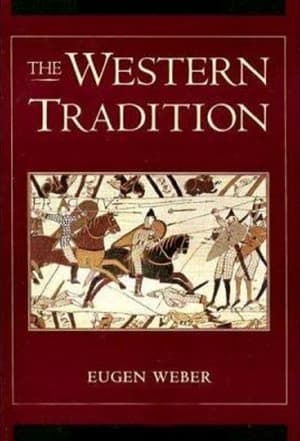
Covering the ancient world through the age of technology, this illustrated lecture by Eugen Weber presents a tapestry of political and social events woven with many strands — religion, industry, agriculture, demography, government, economics, and art. A visual feast of over 2,700 images from the Metropolitan Museum of Art portrays key events that shaped the development of Western thought, culture, and tradition.
First broadcast on October 2, 1989, these 18 original 30-minute episodes provide a panorama of 2000 years of architecture, painting and sculpture, and studies the art masterpieces as reflections of the Western culture that produced them.
Art critic Waldemar Januszczak delves into the heart of Mannerism, as he explores the development of the art style, examines its characteristics, and questions what it achieved.
The cemetery, for all its creepiness and mystery, is actually a fascinating place to uncover incredible art, surprising architectural finds, and a rich and varied history. In this provocative and edgy series, we travel from Paris to New Orleans, New York to London, Hollywood and beyond exploring some of the world’s most interesting and visually compelling cemeteries. We uncover fascinating, often scandalous, tales of the graveyard’s residents, plus curious angles, quirky traits, and, first and foremost- artistic appeal.
Danny Baker, Simon Callow, Richard E Grant, Cerys Matthews, Miriam Margolyes and Michael Sheen follow in the footsteps of their favourite British artists.
La vita di Leonardo da Vinci — in English, The Life of Leonardo da Vinci — is a 1971 Italian television miniseries dramatizing the life of the Italian Renaissance polymath Leonardo da Vinci. The Golden Globe-winning miniseries was directed by Renato Castellani, and produced by RAI and distributed in the United States by CBS, which aired it from August 13, 1972 to September 10, 1972. Castellani wrote the screenplay. It was filmed entirely on location in Italy and France. The total runtime of the five episodes is nearly five hours.
Art writer Waldemar Januszczak explores the revolutionary achievements of the Impressionists.
An educational French TV documentary series which goes into depth during each episode into the analysis of a single painting.