How To Survive the End of the World examines terrifying and scientifically plausible doomsday scenarios by exploring distinct, world-threatening events and the methods by which humanity would fight to survive against grim odds.
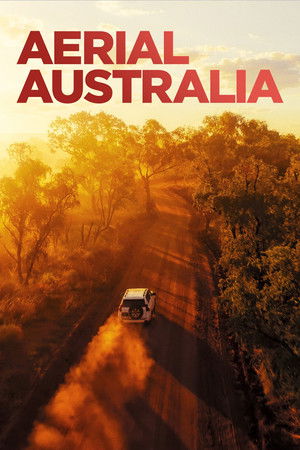
Aerial Australia takes viewers on a breathtaking airborne odyssey across this diverse continent unveiling a tapestry of awe-inspiring landscapes that exist alongside the rich heritage of one of the oldest living cultures on Earth.
Tells the inside story of the challenges the Lebanese Australian community has faced in Australia and how they have fought to overcome them. This landmark documentary series hears from community leaders, police, families and individuals, as they combine to tell the compelling and dramatic story of a proud and resilient community, under intense pressure and scrutiny. The story begins in the 1970s when large numbers of Lebanese migrants flooded into Australia. Many were Muslim, most were traumatised by civil war, all were desperate to build a better future. Over the coming decades, these new Australians struggled to establish a new life in their adopted country.
Kun Suomi muuttui - levottomat ajat 1961–1981
America from the Ground Up was filmed on location at archaeological and historical sites throughout the U.S. and Canada. Join us in the search for clues to America's hidden history: from exploring the ruins of America's lost civilizations, to the settlement of the North American continent in the 19th Century.
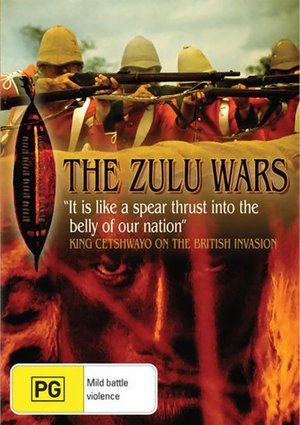
This series explores the facts and investigates the truth behind the British Redcoat Army's campaign in Zululand during 1879. The war was started by a country at the height of it's imperial powers and prosecuted by an army charged with the responsibility of implementing a policy known as Confederation - a proposal to unite various black and white factions in South Africa under British authority. Interviews, on-location footage and new geological surveys all help to reconstruct the conflicts and give insight into the tactics used in these epic battles.
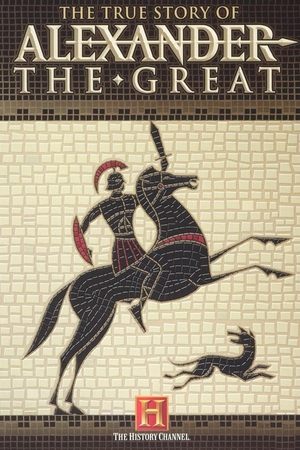
Tutored by Aristotle, helpless witness to his father's assassination, and a brilliant, pioneering tactician, Alexander the Great had conquered the known world--and sealed his legacy as one of history's most remarkable rulers--by the age of 25. In the year 334 B.C., 20-year-old King Alexander of Macedonia decided to bring the farthest reaches of the world under one domain. Over the next 12 years, he led a grand army across more than 20,000 miles and eventually brought all of Asia under his control, only to perish from battle wounds at the age of 32. Incorporating dramatic onsite reenactments with high-end computer graphics and the expertise of renowned scholars, THE TRUE STORY OF ALEXANDER THE GREAT is a special presentation from THE HISTORY CHANNEL®, examining the life and career of this military genius, impassioned lover, and fearless leader.
WILD TRAVELS goes off the beaten path to celebrate America's unusual festivals, unknown museums and unconventional characters. It's intelligent, funny, and a bit irreverent, spotlighting our country's quirkiest people and places.
Follow the work of Gold Coast police officers from the newly created Rapid Action & Patrols Group (RAP). The elite taskforce is responsible for policing everything from bikie gangs and street violence to drug heists and organised crime.
Het stof daalt
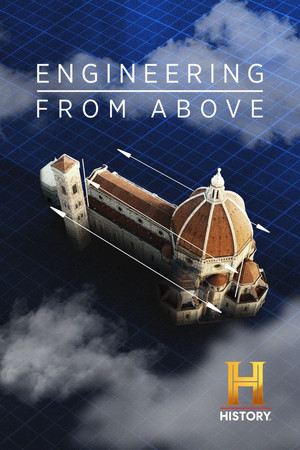
Engineering from Above soars over the planet to reveal the world's most jaw-dropping feats of engineering—spectacular icons, hidden gems, and bizarre structures that defy explanation. From the sky, familiar landmarks turn mysterious, raising urgent questions: Who built this? How? And why here?
Crash Course World History is a video course hosted by John Green that teaches world history from growing the first crops in the First Agricultural Revolution to global textile production in the 2010s. Across the series, it builds skills in identifying and explaining historical developments, analyzing events in broader context, and tracing patterns and connections across time and place—aiming to help viewers become more informed citizens of the world. Season 1 follows the 2012 AP World History curriculum in a 42-episode chronological survey, while Season 2 continues in 30 episodes with a more thematic approach that focuses on systems and encourages viewers to question how “history” is written and what biases shape it.
Le Visiteur de l'histoire
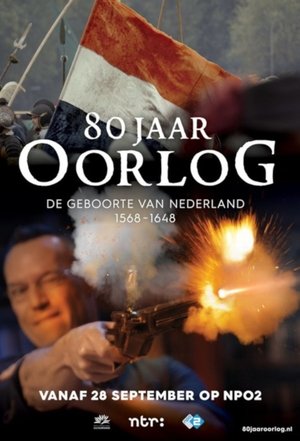
At the end of the 16th century, Dutch subjects revolted against legitimate Spanish rule. What starts with the discontent of a minority grows into a war that will last more than a lifetime. From Groningen to Brussels, from Den Briel to Groenlo, the battle erupts everywhere. And often that struggle has a strangely modern appearance. Terrorism, propaganda, executions, radicalization, shock and awe; all themes that can easily be found in the war that was fought from 1568 to 1648. In a 7-part television series, the NTR will bring the stories about the 80-year war that can be found all over the country from September 28, every Friday at 9.05 pm on NPO 2. And Hans Goedkoop oversees the battlefield with experts.
History is taking to the seas and walking in the footsteps of Captain James Cook. 250 years after Cook began his epic exploration of the Pacific, Sam Neill (Jurassic Park, The Piano) journeys in his wake uncovering stories that resonate from those times on both sides of the beach. Sam begins with a disclaimer – he is merely an actor – but the story of Cook, and the impact he has had on the Pacific in the 250 years since his first voyage, has always fascinated him.
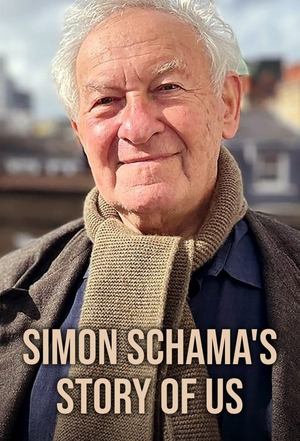
Art and culture define us - but in an age of change, who are we now? In divided times, Simon Schama asks whether art, music and words can be the threads that bind us together.
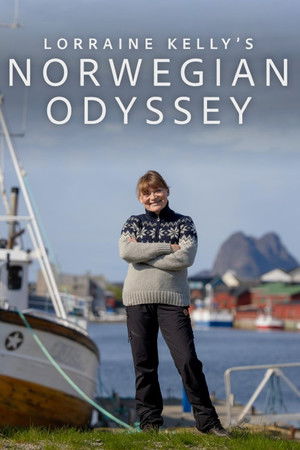
A spectacular journey which uncovers how the Viking era has left its imprint on the way of life and landscape of Norway, and the parallels observed in Lorraine’s home nation of Scotland to this day when it was once sieged under Norse rule. Lorraine will meet people along her travels that are keeping the rich history of Norway alive through folk traditions and Nordic tales, and immerse herself in the crafts and culinary delicacies of the region. The TV icon will sail north along the coast to see what natural beauty it offers, spotting whales and eagles, in hopes to end her journey with a Northern Lights (aurora borealis) spectacle.
The stories behind innovations such as TV, radio, phones, airplanes, motorcycles and power tools as well as the inventors including Nikola Tesla, William Harley, Alexander Graham Bell, Duncan Black and Alonzo Decker.
Bert Taylor travels around Australia's vast countryside.
A century ago, the world experienced a revolution in mobility. Cities like Berlin grew rapidly, with the Graf Zeppelin soaring over the city in 1928, sparking excitement for airship travel. These majestic airships made ocean crossings faster and more luxurious, and even enabled polar expeditions. At the same time, automobiles and motorcycles became staples for many, although streets became congested. Women like Amelia Earhart and Elly Beinhorn broke barriers in aviation, inspiring new possibilities for both genders in the field of technology. While air travel grew in popularity, trains remained the main long-distance transport. The era also saw an explosion of new mobility options, with faster, cheaper ways to travel across the globe, making the world seem smaller and more connected. However, this golden age of mobility would be cut short by the outbreak of World War II.