MLB's Carded is a new show looking at the past, present and future of the baseball card hobby.
Inside Stitch celebrates MiLB's "Fun Cup," unravels the mysterious origins of the oldest Yankees cap, and peers into the future of MLB logos.
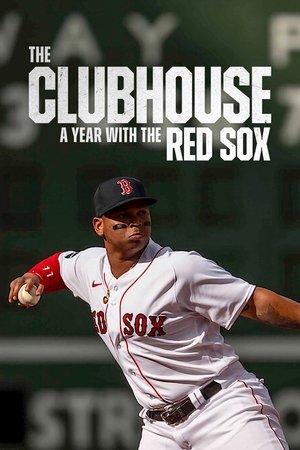
This immersive documentary series goes inside the dugout and gets up close and personal with the 2024 Boston Red Sox during their roller-coaster season.
김태균 TK52
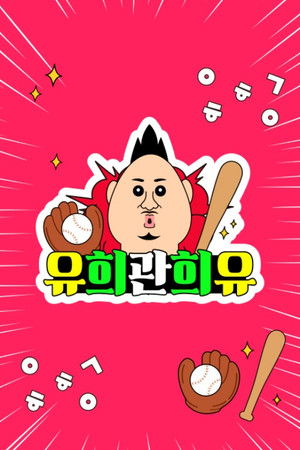
유희관희유
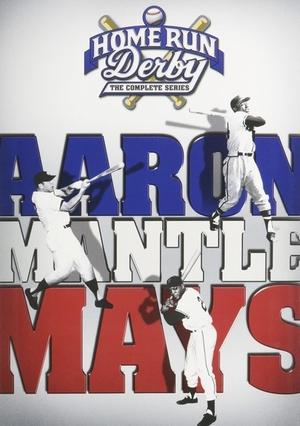
Baseball's greatest hitters slug it out in a champ-against-champ duel on a match play basis.
The Franchise chronicles America's national pastime with a season-long look at the players, coaches and team personnel of a major league baseball team. You'll be right with the team the whole time: during the off-season, at spring training, and along for the rollercoaster ride of the regular season. A remarkable behind-the scenes account of the complex and competitive drama of professional baseball, The Franchise is a grand slam.
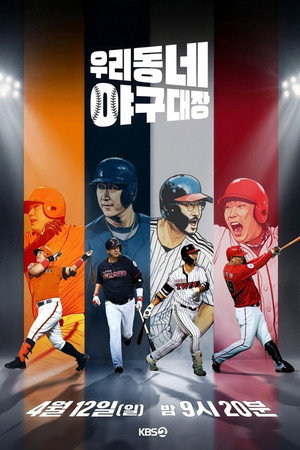
우리동네 야구대장
Ten Korean professional baseball teams boast a history of over forty years. Their battle to be the last champion standing begins in this never-ending showdown.
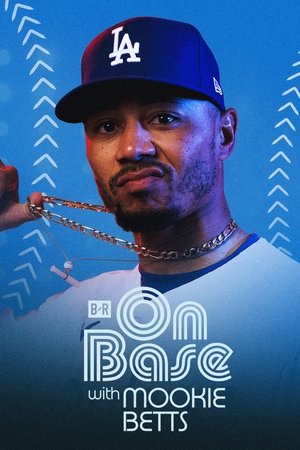
Star right fielder Mookie Betts interviews current MLB players for an up-close and personal look at their lives on and off the field.
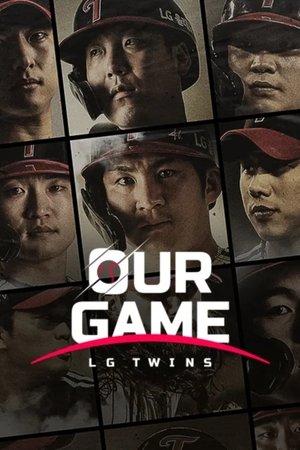
The LG Twins, a professional baseball team based in Seoul, has the largest fan base in Korea's sports history but is also considered an unfortunate team that has not raised a championship trophy for the last 28 years. The jewelry watch prize and the famous Japanese Awamori Soju (a premium alcohol beverage made from rice) that the GM from the 1994 winning team has vowed to present and open have become a legacy that no one has yet witnessed. There's even a painful nickname for LG Twins, "a team destined to fail." However, for the 2022 season, two people from the 1994 winning team have stepped up to change the situation. The pitcher turned GM and the shortstop turned coach are the only people who remember the taste of victory 28 years ago.
Former college quarterbacks try to learn the knuckleball while competing for a spring-training spot with the Arizona Diamondbacks.
Amateur baseball players go up against legendary pros in a championship to determine the ultimate winning team.
Bringing together the two greatest words in the world of sports to life, this anthology series highlights the most memorable win or go home games in sports history.
풀카운트
A once-promising pitcher stuck in rehab finds a chance to return to the game when he meets a sharp, free-spirited agent who used to be a lawyer, and their unlikely partnership slowly sparks both healing and romance.
기프트
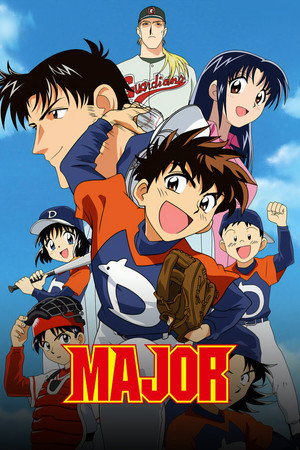
Honda Goro the son of a famous baseball player loves nothing more than baseball itself. His biggest dream is to show his father that he can become the best pitcher in the world despite all the hardships he had to endure he keeps on running towards his goal at full speed.
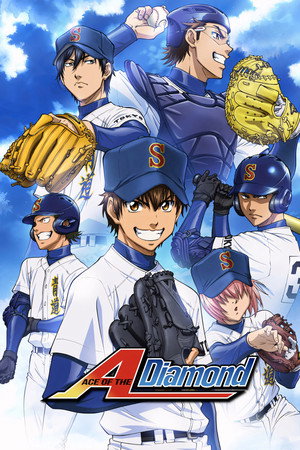
Scouted for his potential, brash left-handed pitcher Eijun Sawamura joins baseball powerhouse Seido High to become the undisputed ace of the team.
Ball Four is a 1976 American situation comedy that aired on CBS in 1976. The series is inspired by the 1970 book of the same name by Jim Bouton. Bouton co-created the show with humorist and television critic Marvin Kitman and sportswriter Vic Ziegel. Bouton also starred in the series. Ball Four followed the Washington Americans, a fictitious minor league baseball team, dealing with the fallout from a series of Sports Illustrated articles written by Americans player Jim Barton. Like the book, the series covered controversial subjects including womanizing players, drug use, homosexuality in sports and religion. The series included a gay rookie ballplayer, one of the earliest regular gay characters on television. The trio began developing the series in 1975, looking to other series like M*A*S*H and All in the Family as models. CBS expressed interest and the creative team developed a script. CBS shot the pilot episode and ultimately bought the series. Ball Four aired at 8:30 PM Eastern time, which was during the Family Viewing Hour, an FCC-mandated hour of early evening "family-friendly" broadcasting. Consequently the writers had some trouble with the network's Standards and Practices in their attempt to portray realistic locker room scenes, especially the language used by the players. Pseudo-profanity such as "bullpimp" was disallowed, while "horse-crock" and "bullhorse" were approved.