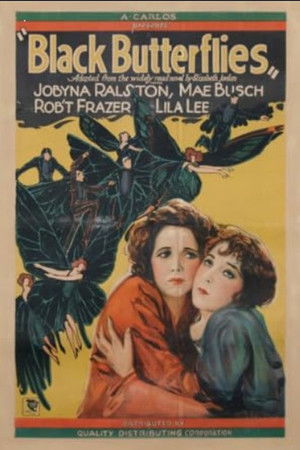
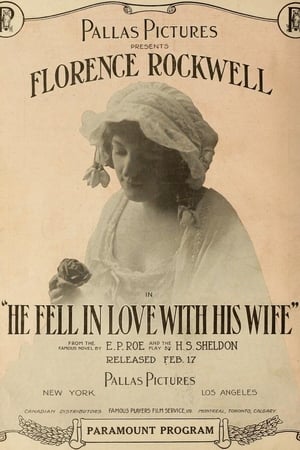
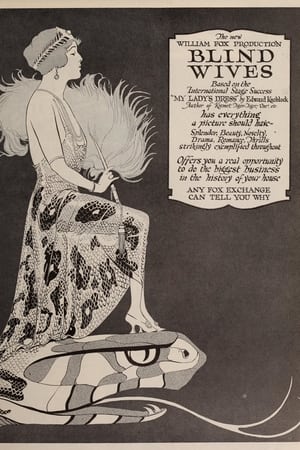
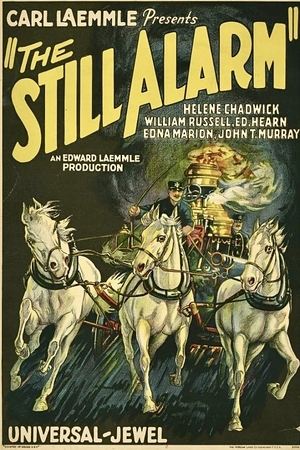
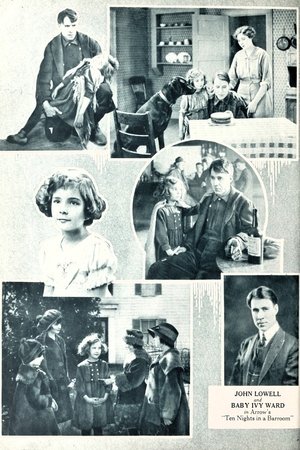
One time “plain Jane” Daphne Carrol returns from Paris a "polished" flapper. She sets her cap for her sister's brother-in-law, Custis Lee even though he is indifferent to her. When Custis’s brother, Jack, managing editor of the local newspaper prints a story of Daphne's return her picture accidentally appears over a news item about the escape of Sally Long from an insane asylum. Daphne gains entrance to Custis' house and poses as Sally, claiming him to be her husband. Fearful for his life, he humors her until he can engage a nurse to watch her. Daphne enjoys the joke until she discovers that her nurse is actually Sally--and Sally's husband tries to rob the Custis home. In the merry mix-up Daphne faints in Custis' arms and is forced to declare that she is his wife; after the complications are resolved, they decide to make the arrangement legal.
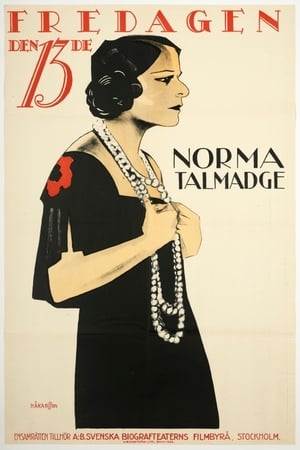
Clay Whipple is convicted of murdering the governor following an incident involving a cat's eye pin. Whipple is sentenced to death, but a mentalist named Psychic Jack believes he is innocent since Whipple had been hypnotized at the time of the murder. The psychic persuades the judge to grant the condemned man a retrial, and he sets out to uncover the identity of the real killer, during which time he manages to prevent a second murder from occurring.
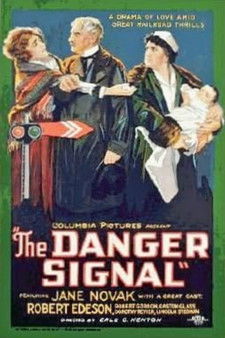
After her ex-convict husband Bill is killed in a bank robbery, Nancy Preston and her young son Bubsy are protected by Mike Horgan, a former friend from Sing Sing. Mike is wrongfully jailed, and Nancy—falsely accused of murdering a criminal fence who tried to abuse her—goes on the run. Mike breaks out of prison to join Nancy in a small town where he practices medicine under his real name, Stafford. When a persistent detective tracks them down, he falls ill, gets nursed back to health by the pair, has a change of heart, and proves Nancy's innocence so she and Mike can marry.
A press agent helps a honky tonk spot draw a new elite patronage but a troublemaker arrives on the scene as well and disrupts the romance between the male and female stars.
Mendoza, who had an affair with the star of the original production of La Vie parisienne in 1900, returns in 1935 with his son and granddaughter. His granddaughter is engaged to a young Frenchman, but Mendoza's strait-laced and puritanical son initially forbids the marriage. The core conflict involves Mendoza and his old Parisian friends conspiring to change the son's mind and convince him to embrace the titular "Parisian life".
The film follows the title character—a legendary frontiersman—as he seeks retribution against outlaws. It served as a direct sequel to How Richard Harris Became Known as Deadwood Dick (1915) and was followed by Deadwood Dick and the Mormons (1915).
A Texas Ranger insinuates himself into a murderous gang by showing off his talents. When he is taken prisoner by the ringleader, he makes a getaway and returns with a sheriff.
To keep his social-climbing wife and daughters in the lifestyle to which they are accustomed, wealthy George Hunter makes some large investments in the stock market, but the stocks crash and he loses a great deal of money. His wealthy aunt offers to bail the family out, but complications ensue.
Shortly after his arrival from South America to New York, Steven Humbolt is found dead in his apartment at the Savoia Hotel. Inspector Decker Dawes investigates the case and although the cause of death is described as apoplexy, Dawes is convinced it as murder, especially after he learns that Humbolt had been married fifteen times.
Gil Lamb gets tangled up in a series of fast-paced, foolish misunderstandings and physical gags as he tries to navigate everyday tasks and romantic aspirations with Wanda McKay's character, only for his hyper-clumsy nature to turn simple situations into complete, chaotic disaster.
Maurice Tourneur's first American made film is a silent drama about a mother's love and sacrifice starring Emma Dunn, who also starred in the 1910 Broadway play version of the story.
The Jones Family heads to Gay Paree in celebration of the 25th wedding anniversary of Pa and Ma Jones. It doesn't take long for the Joneses to be victimized by clever Parisian con artists.
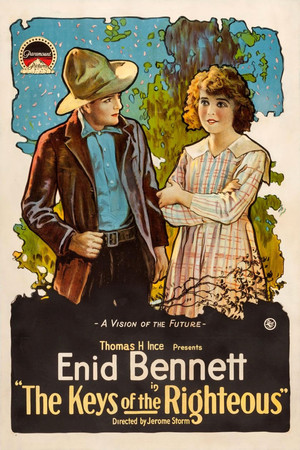
Agnes Cuyler, a cabaret singer in New York who loathes her work, is fired for slapping Grant Haywood, a customer from the West who tries to kiss her. Haywood begs forgiveness and after glorifying the clean Western life, proposes. To escape her circumstances, Agnes accepts, but soon learns that Haywood is a brutal drunkard.
A novelist has to choose between his wealthy patron and a penniless romantic.
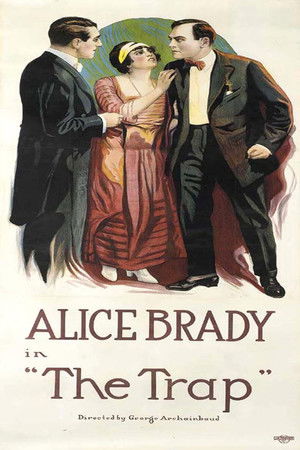
A lawyer is worried about his client. He's infatuated with a dubious woman who's scheming to get his money. The lawyer gets the idea to have him marry an honest woman and protect his fortune in her name, but who? "Cigars. Cigarettes."
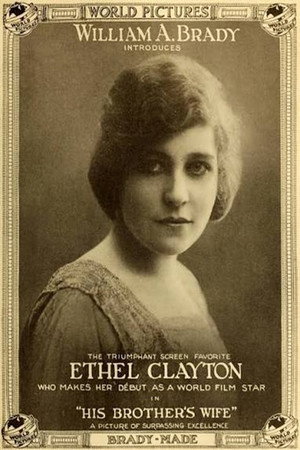
Constance, the beautiful wife of Mark Barr, is in fear of her husband's jealousy. Among the guests at their reception are Myrtle Gale and her fiancé, Billy Craig, to whom Constance was at one time engaged. Mark misinterprets a friendly chat between the two and forbids Billy to visit his house. Myrtle goes to the city, and is to return on an early evening train, on which Constance also expects her husband.
A young woman inherits her father's large Texas ranch and plans to begin a cattle drive to Abilene, Kansas, 1000 miles away. The crooked State Treasurer plans to attack the cattle drive and steal all of the stock so he can gain control of her ranch.
Hal Whitney, an irresponsible young millionaire, befriends Timothy Payne, a wise old college professor whose life had been ruined by alcohol. After "adopting" Timothy as his father, Hal introduces him to his sweetheart, Helen Maynard. The outraged Helen breaks their engagement, certain that Timothy will be a bad influence on her hard-drinking fiancé. However, both men assist in each other's reformation, and Hal is soon reunited with Helen, while Timothy marries Hal's mother, Elizabeth, whom he had loved in his youth.
American silent drama film following an early Vitagraph leading man and matinee idol. Prints of the film are held at the Library of Congress and George Eastman House Motion Picture Collection.
A mother punishes her son for eating a plate of cream puffs, unaware that the daughter really did it. As the daughter watches the punishment, she feels guilty, and confesses her misdeed.