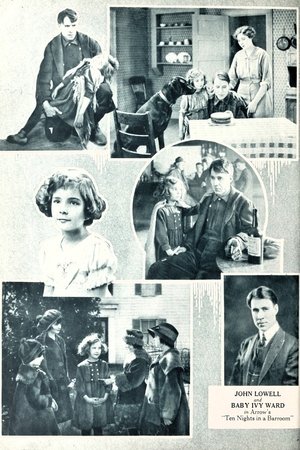
Joe Morgan, a previously respectable worker, becomes a town drunkard, losing his job and neglecting his family due to the influence of the local tavern, the "Sickle and Sheaf". Joe's daughter, Little Mary, frequently comes to the bar to beg her father to return home. During a confrontation in the bar, a thrown glass hits Little Mary, resulting in her death. Devastated by the death of his child, Joe vows revenge but reforms, ending his addiction and reuniting with his family.
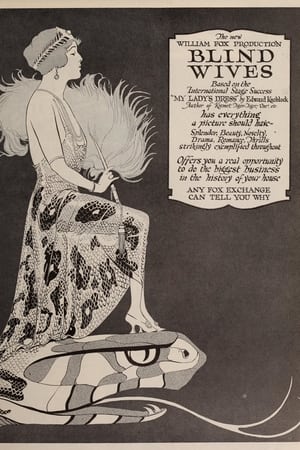
An exposé of the "fake" or "wicked" Bohemian social circles, highlighting the moral consequences of their actions. The film features a "pleasure-seeking" philosophy, evidenced by the intertitle that read, "May we help ourselves to life's pleasures?"
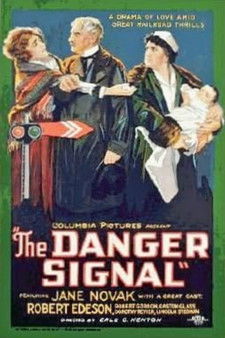
A recently widowed and destitute young mother (Jane Novak) appeals to her wealthy and heartless father-in-law (Robert Edeson) for financial aid. Instead, he convinces her to hand over her new baby to his care so that the child will be brought up with "everything money can buy." Unbeknownst to the grandfather, we learn that there are twin sons and our heroine keeps one baby to raise herself. The narrative jumps ahead to the boy's twenty-first birthday and we see what's become of them. Not surprisingly, the wealthy son has grown up spoiled and greedy while the poor one works hard and loves his mother.
Uncle Sam is mistaken for Marion's uncle Sam.
Hal Whitney, an irresponsible young millionaire, befriends Timothy Payne, a wise old college professor whose life had been ruined by alcohol. After "adopting" Timothy as his father, Hal introduces him to his sweetheart, Helen Maynard. The outraged Helen breaks their engagement, certain that Timothy will be a bad influence on her hard-drinking fiancé. However, both men assist in each other's reformation, and Hal is soon reunited with Helen, while Timothy marries Hal's mother, Elizabeth, whom he had loved in his youth.
Shakespeare Clancy is a jailbird who walks out with a crowd of visitors about the time "Skeeter" Burns, the prison printer, is discharged. Learning that a legacy awaits them in Dodson, the pair depart for the small Western town. Discovering that the bequest consists of a failing county newspaper and a plot of barren land, they hatch a plan to fleece the townspeople by selling shares in a bogus oil well. Problems arise when Clancy falls in love with society editor Alice Whitney. Clancy is conflicted but then they do strike oil! Concluding that his destiny is to be an honest man, Clancy returns to jail to finish serving his term. Slipping into the crowd of visitors, he dons his prison clothes and resumes work as though nothing had happened.
Genevieve Connors, a young woman from the slums who is given a chance at a better life through the help of a wealthy family, but faces class prejudice and is later involved in a criminal plot.
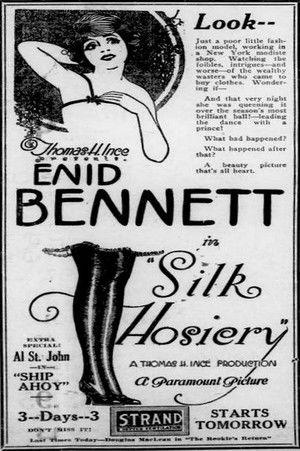
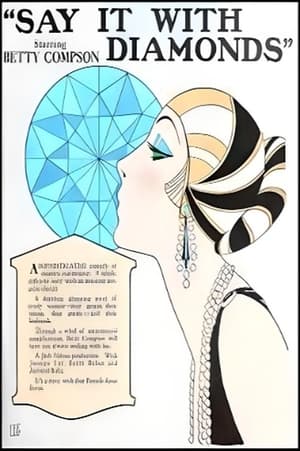
In a prologue, as a woman pages through a book, male figures, including a musketeer, a cowboy, a swordsman and a military officer, appear and bow. In the main story, the visit of Prince Ferdinandi sends New York society ladies scurrying to purchase gowns for the upcoming ball. The woman seen earlier looking longingly at the book, model Marjorie Bowen, fights off the advances of Cadwallader Smith, who accompanies a patron. When handsome Sir Derwain Leeds, the prince's aide-de-camp, arrives to see his fiancée Yvette Fernau outfitted, Marjorie exchanges a shy smile with him.
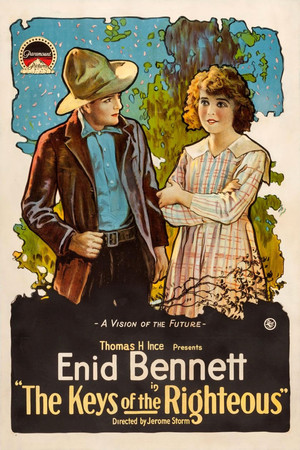
Mary Manning lives in the Wisconsin woods with her stern old grandfather, an uncle, and her mother who, for eighteen years has daily looked for the return of her husband. Into the drab life comes Tom Gale, who gives the girl her first taste of pleasure.
An honest worker, John Whitney, finds himself unemployed and unable to provide for his family. Desperate, he robs a rich man's home and is arrested. One of the police officers is an old friend and accompanies Whitney home to allow a farewell with his wife. Humiliated, Whitney decides to kill himself and his family. The rich man learns of his desperate situation and arrives in time to save the family and drops the charges.
Doris is driven from her small New England fishing village when a jealous admirer implies that her mild flirtation with visiting artist Stuart Kendall was an intimate love affair. Arriving in New York, alone and penniless, Doris finds employment in a Greenwich Village café, where she again meets Stuart and agrees to become his model. Unaware of his true intentions, Doris lives at Stuart's expense and innocently evades his advances. Out West, rancher Jack Masterson sees Doris' face on a poster and journeys East to propose to her.
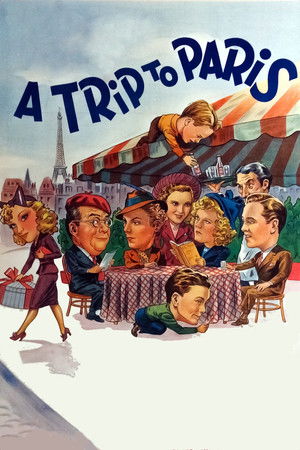
The Jones Family heads to Gay Paree in celebration of the 25th wedding anniversary of Pa and Ma Jones. It doesn't take long for the Joneses to be victimized by clever Parisian con artists.
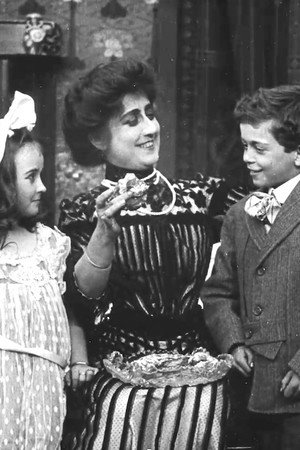
A mother punishes her son for eating a plate of cream puffs, unaware that the daughter really did it. As the daughter watches the punishment, she feels guilty, and confesses her misdeed.
War buddies Whitey and Skeeter have become safecrackers. On a job, Skeeter is surprised by the police and killed. Later Whitey discovers that the lowlife Mal is the police informer responsible for Skeeter's death. Whitey sets out to find his moll Kitty, hearing she has gone to the country to find peace and quiet he finds her in a small town. She is involved with bank clerk Fred Morton, so Whitey pretends he has found someone else too. When Mal arrives in town as the advance man for a con and he pursues Skeeter’s sister Evelyn, Kitty tells the story of her own criminal past to save her. Fred drops her, and Kitty tries to drown herself in the river. Whitey saves her life and exposes Fred as an embezzler.
A widowed farmer, failing in his efforts to find a woman capable of running his household, decides to marry a young woman he believes can fill the bill. Wat he doesn't know is that she is running away from a brutish and violent husband, whom she has discovered is also a bigamist, and that her angry and vengeful husband is looking for her.
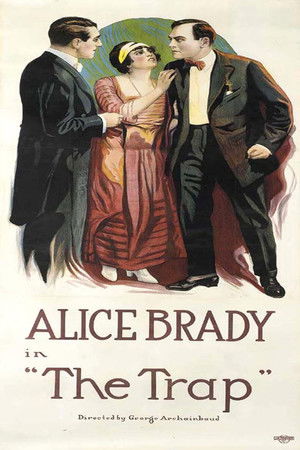
Felicia Brett is married to Alexander W. Brett, a bullying and unfaithful man who openly flaunts his affair with Rita. Pushed to her limit, Felicia travels to Reno, Nevada, to establish residency and file for divorce. While in Reno, Felicia encounters her old childhood flame, Dick Belden. Alexander, desperate to avoid a settlement and gain sole custody of their young son Bobby, follows Felicia to Reno. He attempts to manufacture evidence of adultery by trapping Felicia in a compromising situation with Dick. Alexander initially succeeds in using this falsified evidence to take custody of Bobby. However, the story reaches a melodramatic conclusion when Alexander is killed in a sudden avalanche. Because the divorce had not yet been finalized, Felicia becomes Alexander's widow rather than his ex-wife, which grants her both her son and the freedom to marry Dick.
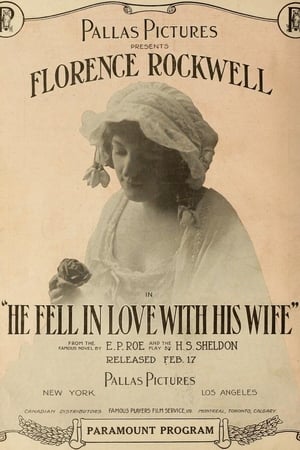
Princeton Hadley feels obligated to pay alimony to Judith, the widow of his deceased friend Billy Westover, due to favors Billy had done for him in the past, even though the law doesn't require it. Billy had lost his fortune and was recently divorced from Judith before his untimely death in an accident. Princeton later meets Judith, unaware of her identity, and falls in love with her.
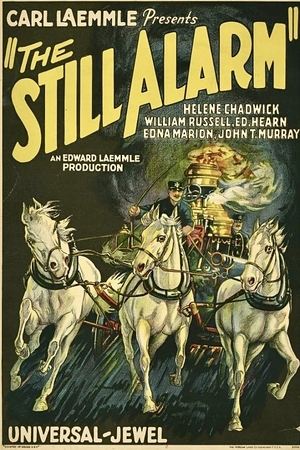
Lucy Fay leaves her husband, Richard, a fireman, for a suave politician, Perry Dunn. Richard compensates for the loss by adopting Drina, a baby girl whose mother perished in a fire. Drina develops into a beautiful young lady and becomes a model at a modiste shop owned by Dunn and managed by Lucy. Dunn is attracted to Drina and plots to get her alone by giving her a drugged drink. An untimely fire interferes with his plans, leaving Drina drugged and trapped by flames in Dunn's room, where she is sleeping.
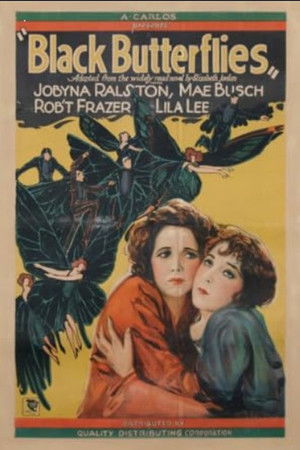
A woman with a taste for expensive clothing has four nightmares. An impoverished disabled girl sells her hair, a trapper finds he has an unfaithful wife, the wife of a dying weaver finds she cannot work the loom, and a model harassed by her boss is driven to murder.
American silent drama film following an early Vitagraph leading man and matinee idol. Prints of the film are held at the Library of Congress and George Eastman House Motion Picture Collection.