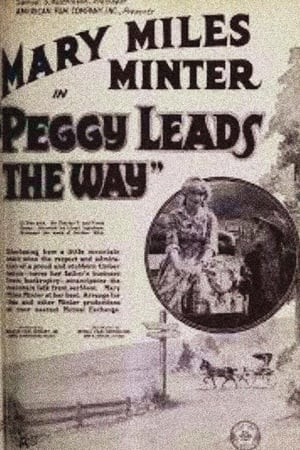
American silent drama film following an early Vitagraph leading man and matinee idol. Prints of the film are held at the Library of Congress and George Eastman House Motion Picture Collection.
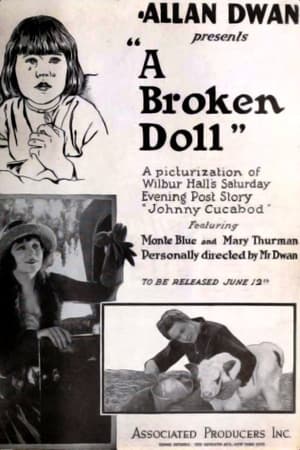
Tomboy Bess Aiken grows up quickly when her mother deserts her father to elope with wealthy Easterner Vernon Treloar. Left alone with her father, Bess begins to long for feminine companionship, and when an opportunity arises for Bess to visit her newly-remarried mother, her father consents. The little girl soon finds herself in a fairytale world of beautiful gowns and extravagant luxury. Believing that anything her mother does must be correct, Bess soon learns to smoke and drink, much to the displeasure of Kirke Livingston, who loves her but fears she has inherited her mother's weaknesses. Bess disregards his warnings until one day she finds her mother embracing another man. Disillusioned, she departs immediately for her father's cabin, traveling through the woods all night. At daybreak, Kirke finds her and wins her hand in marriage.
To spite her fiancé, who claims to know how to handle women, Rosamond engages in reckless behavior, including racing cars and getting arrested. Climax: After surviving a car crash, she is captured by criminals but eventually rescued, leading to her submissive reform.
An aspiring writer and her boyfriend, a professional agitator head off to the Big Apple in search of good fortune. Unfortunately, the agitator soon finds himself in trouble with the cops. Meanwhile the writer attempts to become a Greenwich Village Bohemian type. She and her new friends are all starving for their art until a kindly gent offers them financial assistant. They refuse on principle. Tragedy pays a call when the writer learns that her boyfriend has been untrue.
A small-town girl returns home from schooling in the East to find that her father's small store and indeed the whole town are in danger of being eliminated by a ruthless land developer. The developer has a son who falls for the young girl, and together they try to come up with a plan to save her father's store and the town.
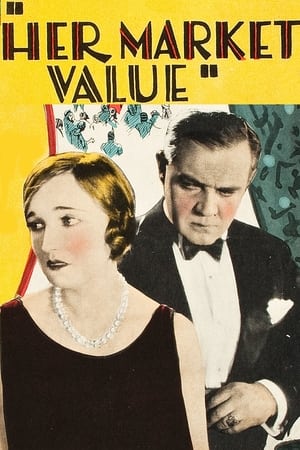
Her Market Value is a 1925 American silent melodrama film directed by Paul Powell and starring Agnes Ayres. Powell produced the picture and distributed through Producers Distributing Corporation.
Alcoholic former artist David Stanley and impoverished violinist Judith Deering appear before Judge Henning. After the kindly judge dismisses the minor charges against the couple, Judith finds a job, after which she secretly sends money to David, using the judge as an intermediary. David soon stops drinking and successfully resumes his career.
Reporter Frank Sloan, investigating the disappearance of a Chinese slave girl in Chinatown which leads to opium addiction, job loss, and personal ruin, until a major murder brings him back into the story, revealing the dark underbelly of the district.
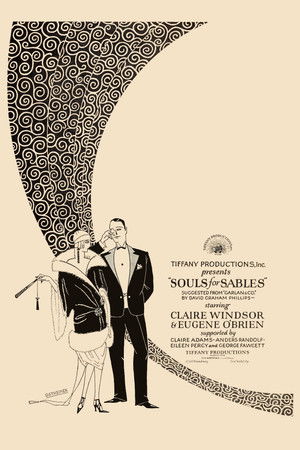
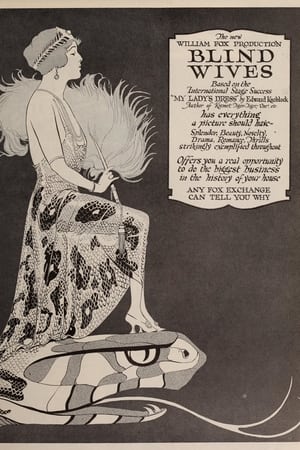
A woman with a taste for expensive clothing has four nightmares. An impoverished disabled girl sells her hair, a trapper finds he has an unfaithful wife, the wife of a dying weaver finds she cannot work the loom, and a model harassed by her boss is driven to murder.
Rachael (Bessie Barriscale) marries Clarence Breckenridge (Hershel Mayall) a widower much older than herself. Although she tries to be a good wife, he ignores her for the bottle. In addition, his daughter, Billy (Ella Hall), who is not much younger than Rachael, is spoiled. When Rachael meets the family doctor, Warren Gregory (Herbert Heyes), they fall in love.
Young John Adams is working his way through college and lives in a boarding house where Jane, a hardworking and unassuming maid, falls deeply in love with him. John, however, is initially oblivious to Jane's feelings. He is instead infatuated with Ethelda Rathbone, a socially prominent college girl. John wishes to attend a high-society ball where Ethelda will be present, but he lacks the means or social standing to fit in. As the story progresses, the "plain" Jane proves her worth and devotion, eventually winning John's heart over the more superficial Ethelda.
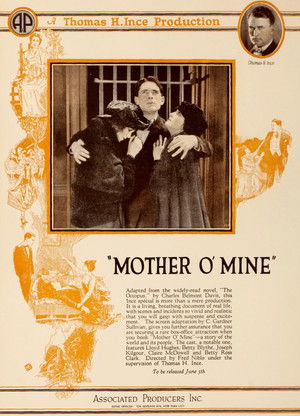
Barbara Rand is blinded when she leaps through a window to escape an assailant. Her sister, Natalie, reluctantly abandons her fiancé, Ned Gardiner, and marries Oliver Landis, who can provide the money needed for Barbara's operation. Unaware that Oliver was Barbara's attacker, Natalie blames his business partner, Howard Pollard, who was with Barbara on the night she was injured. Natalie holds Howard at gunpoint, but when her husband arrives, he promises to deal with the villain making sure Howard falls to his death. Upon Barbara’s release from the hospital, Oliver tries to blind her once. Natalie threatens him with a pistol, but Oliver wrests it away from her. He then realizes that he can no longer hide his guilt from Natalie or the police and shoots himself. Barbara has been avenged, and Natalie is free to marry Ned.
Jacqueline Floriot is driven from her home by her husband Louis, a deputy attorney of Paris, because of his unjust suspicions regarding her relations with another man. Floriot forbids Jacqueline to see her baby boy, who is dangerously ill, and when informed that the boy believes her dead, she attempts suicide.
As her first wedding anniversary approaches, a young wife begins to believe that her husband doesn't love her anymore, and she turns to a former suitor for comfort. Soon she makes up her mind to leave her husband, but when he is seriously injured she must decide if she really wants to end her marriage.
A press agent helps a honky tonk spot draw a new elite patronage but a troublemaker arrives on the scene as well and disrupts the romance between the male and female stars.
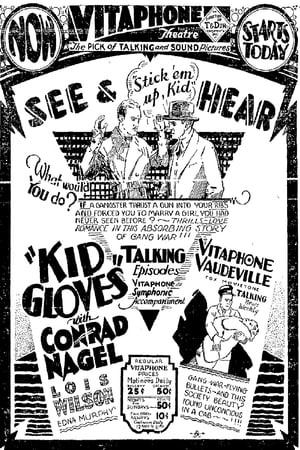
When a taxi carrying socialite Ruth Darrow drives into the middle of a gun battle between hijacker Kid Gloves and a trio of bootleggers, Ruth is injured. She is taken to a nearby apartment, and The Kid helps to care for her. John Stone, Ruth's fiance and a bootlegger with a respectable front, finds them together and blackmails The Kid into marrying the girl.
An honest worker, John Whitney, finds himself unemployed and unable to provide for his family. Desperate, he robs a rich man's home and is arrested. One of the police officers is an old friend and accompanies Whitney home to allow a farewell with his wife. Humiliated, Whitney decides to kill himself and his family. The rich man learns of his desperate situation and arrives in time to save the family and drops the charges.
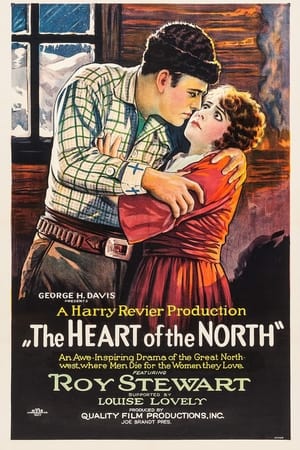
Young New York playboy Stephen Winthrop inherits the entire estate of his wealthy Canadian uncle but pays scant attention to it, preferring the "party" life in New York. He is unaware that the family attorney, Frank Garson, has forbidden hunting on the Winthrop lands in Canada, cutting off the livelihoods of the local villagers. Mary Cartier, goddaughter of the village priest, travels to New York to try to get Stephen to change the policy. He returns with her to Canada, sees what's going on, and lifts the ban, then decides to stay in Canada. Mary returns to New York to try to help Garson's abandoned and ill wife and child, but the wife dies, and Mary brings back the small child to Canada. The villagers, mistaking the child for Mary's, are outraged at this "scarlet woman" flaunting her illegitimate child and attempt to drive her out. Complications ensue.
A father who despises his daughter, a boyfriend who refuses to marry the girl he knocked up, and a mother caught in the middle.
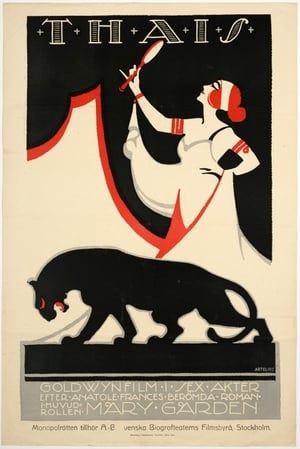
The wanton dancer Thais, tries to entice Paphnutius from becoming a monk but fails. He later returns to reclaim her soul and follow in his footsteps. They attempt to live lives of simplicity, but the pull of worldliness is too strong.