Believed to be the first film to feature cannibals.
Anita and Marion realize that an abandoned baby they sneaked into an orphanage was kidnapped from a millionaire. For the reward, they proceed to break into the institution at night, dressed as men to beat curfew, to get the kid out again. This film survives only in very fragmentary form.
After being unjustly attacked, a cook goes on a killing spree.
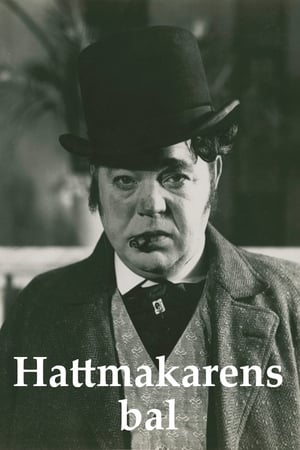
The wealthy hat maker Cederström has two daughters, Marianne and Lotte. He has decided that Marianne should marry Melander even though she loves the poet Malm. Lotte on the other hand loves Melander.
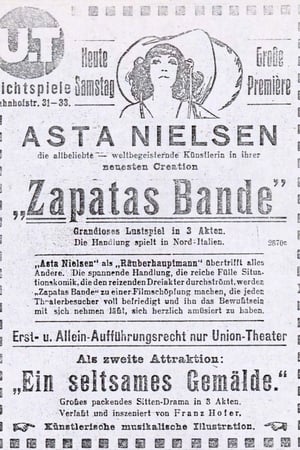
A film crew is shooting a movie about guns and robbers, when real robbers turn up. Having to go home in robbers costume, they are mistakingly accused of a robbery. One of the earliest films portraying bisexual characters.
Two old tars, retired from service, live alone in a cottage by the sea. They sail along on an even keel, until a buxom and comely widow projects herself on the scene when one old tar breaks one of their unwritten laws and falls in love with her. The other old fellow objects strenuously.
A tramp cares for a boy after he's abandoned as a newborn by his mother. Later the mother has a change of heart and aches to be reunited with her son.
Two baseball fans meet on a park bench, and a simple disagreement over their hats quickly spirals out of control.
The just-out-of-college, effete son of a no-nonsense steamboat captain comes to visit his father whom he's not seen since he was a child.
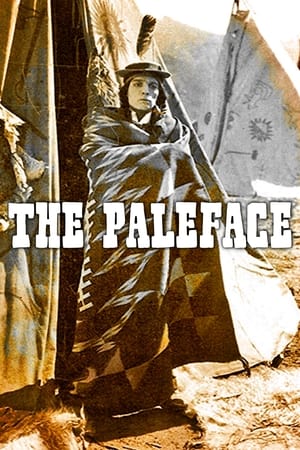
A butterfly collector unwittingly wanders into an Indian encampment while chasing a butterfly, but the tribe has resolved to kill the first white man who enters their encampment because white oil tycoons are trying to force them from their land.
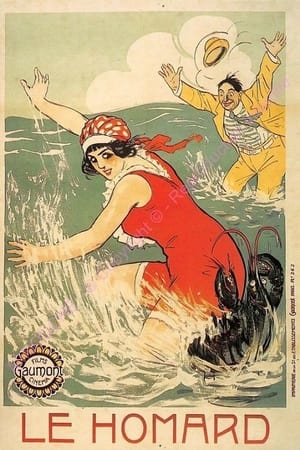
Le homard
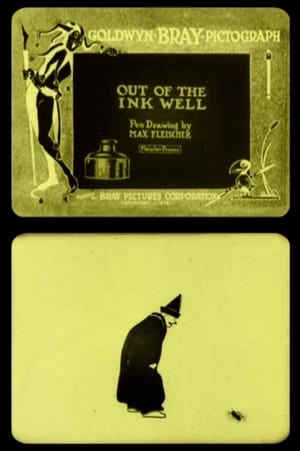
Max Fleischer draws the upper and lower halves of the Clown's body, which dance around separately before coming together. Max interacts with his creation before ultimately washing the Clown off the page with water.
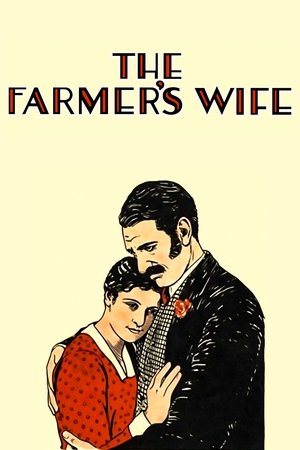
Successful middle-aged farmer Samuel Sweetland becomes widowed, then his daughter marries and leaves home. Deciding he wishes to remarry, Sweetland pursues some local women he considers prospects.
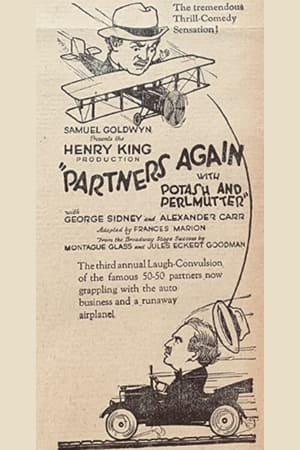
A sequel of sorts, the Jewish ethnic comedy characters of Potash and Perlmutter return from their 1923 debut film, also produced by Goldwyn, but with a different actor for Potash.
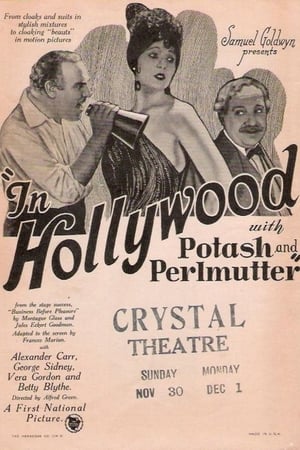
Goldwyn produced a 1923 film adaptation of Potash and Perlmutter, and a 1924 sequel called In Hollywood with Potash and Perlmutter. In Partners Again the two are in the automobile industry -- This is a lost Film.
A spoiled heiress defies her millionaire father by running off to France to pursue her lover. Things don't go entirely as planned.
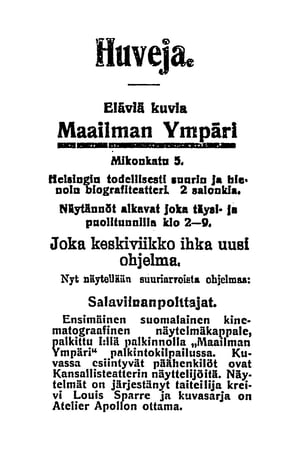
No prints of the film have been preserved so the film can be considered a lost film. The original screenplay has also been lost. However, some plot descriptions are still known based on contemporary newspaper advertisements of the film. As the name would indicate, the film tells about two local men who are making moonshine in the woods. A customer comes to them, and while sampling the product they start a game of cards, which eventually leads to a fight. While the fight is going on, the local police shows up and arrests the makers while the customer manages to escape.(Wikipedia)
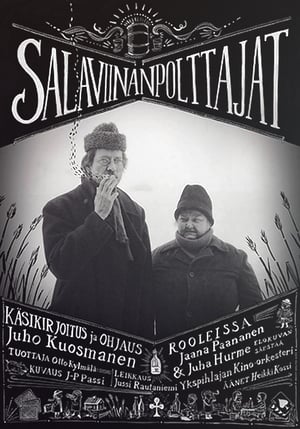
Re-imagined version of the now lost first Finnish film. Two siblings inherit all the essentials for a good life: moonshine equipment and a pig. As they embark on their journey, business is good until a card shark arrives.
Neil McRae, an impoverished composer, loves Cynthia Mason, but, fearing poverty, proposes to wealthy Gladys Cady. Can he compose himself and find the courage to seek love over comfort?
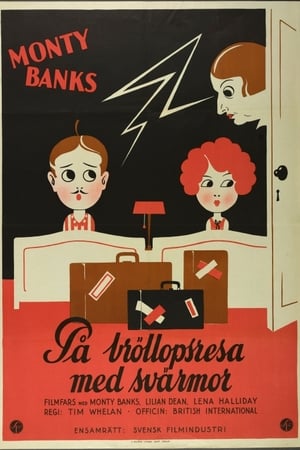
An American on his honeymoon in Paris, organises the kidnapping of his interfering mother-in-law.