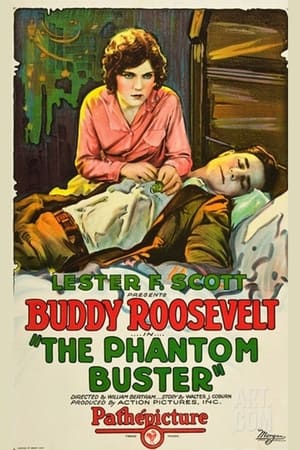
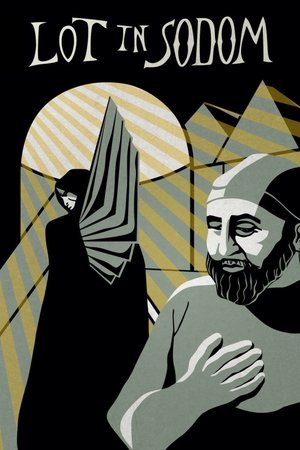
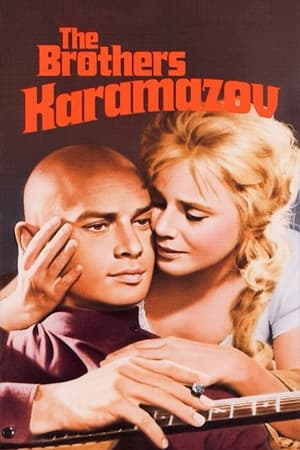
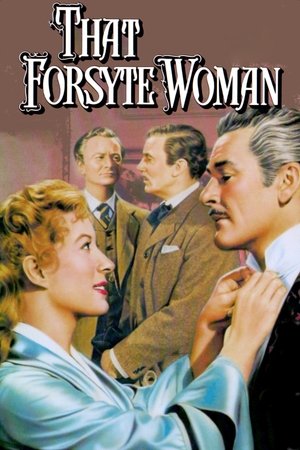
This is a poetic film set in the times of Lenin's NEP. A ballet dancer steals a brooch and gives it as a present to another dancer. This is a crime of passion. A mysterious black ball is after the heroine. She runs away from it and manages to give the brooch in an exquisite pirouette movement, as shiny as diamond facets. What gives a stone its dazzling luster are its polished facets. But the real gem is love, and it's much harder to get than any diamond in the world.
In this realistic, unsentimental portrait of Germany’s dire economic situation, a middle-aged payroll clerk loses his job due to technological advances and, unable to find another, descends into despair. The film’s director, Marie Harder, was one of only a few women directors of the time and was also the head of the German Social Democratic Film Office. She made only two known films before her accidental death in exile in Mexico in 1936.
An aging doorman, after being fired from his prestigious job at a luxurious hotel, is forced to face the scorn of his friends, neighbours and society.
The film consists of a series of tightly interlinked vignettes, the most sustained of which details the story of a man and a woman who are passionately in love. Their attempts to consummate their passion are constantly thwarted, by their families, by the Church and bourgeois society in general.
In Midnight Madness millionaire diamond miner Michael Bream (Clive Brook) discovers that the woman he’s marrying — funfair shooting-gallery hostess Norma Forbes — is a gold digger. So Bream decides to teach her a lesson, and forces her to live with him in the remote African outback where, eventually, she realizes her true affections.
A semi-documentary experimental 1930 German silent film created by amateurs with a small budget. With authentic scenes of the metropolis city of Berlin, it's the first film from the later famous screenwriters/directors Billy Wilder and Fred Zinnemann.
A dramatized account of a great Russian naval mutiny and a resultant public demonstration, showing support, which brought on a police massacre.
A married farmer falls under the spell of a slatternly woman from the city, who tries to convince him to drown his wife.
This pioneering documentary film depicts the lives of the indigenous Inuit people of Canada's northern Quebec region. Although the production contains some fictional elements, it vividly shows how its resourceful subjects survive in such a harsh climate, revealing how they construct their igloo homes and find food by hunting and fishing. The film also captures the beautiful, if unforgiving, frozen landscape of the Great White North, far removed from conventional civilization.
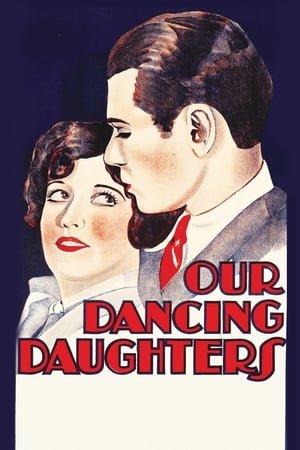
Rich, spoiled Marian pressures Eric to marry her. Her brother is in love with her friend Mamie, but a scheming ex-husband tries to blackmail her. Mamie is saved from suicide by Eric, who's in a compromising position when he brings her home.
Sergei M. Eisenstein's docu-drama about the 1917 October Revolution in Russia. Made ten years after the events and edited in Eisenstein's 'Soviet Montage' style, it re-enacts in celebratory terms several key scenes from the revolution.
Two families, abolitionist Northerners the Stonemans and Southern landowners the Camerons, intertwine. When Confederate colonel Ben Cameron is captured in battle, nurse Elsie Stoneman petitions for his pardon. In Reconstruction-era South Carolina, Cameron founds the Ku Klux Klan, battling Elsie's congressman father and his African-American protégé, Silas Lynch.
Gustav Hartmann is in trouble. Because of the new taxis he doesn't get many passengers in his horse-drawn carriage. To prove what he and his horse are capable of, he starts a trip from Berlin to Paris.
Tortured Souls
Henry and Marion have a lover's quarrel and part in anger. They do not reconcile, and ten years pass without contact. Marion becomes a society girl and spends her time at parties with her friends. Henry has become very ill and wishes to see Marion one more time. He writes asking her to visit. When she recieves the note, she laughs and tosses it on the floor, but, later, on a whim, decides to take all her drunken friends with her to visit him. When they arrive, Marion finds Henry dead, clutching her portrait in his hand. She sends her friends away and falls to her knees in remorse. Mary Pickford's debut!
Oscar Krug is looked upon with suspicion by his neighbors because of his German name. When the US is drawn into the war with Germany, he enlists and travels the seas with his wife, Alice Morse. During a submarine attack Alice is snatched from Krug's side by a German officer. Krug now lives to have his revenge, and when the opportunity presents itself, he will have it.
Charles Abbott is implicated in the death of his friend Escobar, brother to the woman he loves.
17-year-old Guido suffers since his early childhood from neurodermatitis. After being taken to the hospital due to a heavy attack, he starts to question his personal and familiar environment and discovers that his parents’ relationship – which he assumed to be happy and sound – is built on lies. Unable to deal with this disappointment, he flees from it and moves in with his older brother and his roommates...
Trilby lounges on a table with her shoes off, smoking, laughing, enjoying a piece of cake, and kissing her friend in a scene from the popular eponymous novel and stage play. Now lost, it is considered the first book-to-film adaptation.
Two thirtysomethings, unemployed former alcoholic Joe and community health worker Sarah, start a romantic relationship in one of the toughest Glasgow neighbourhoods.