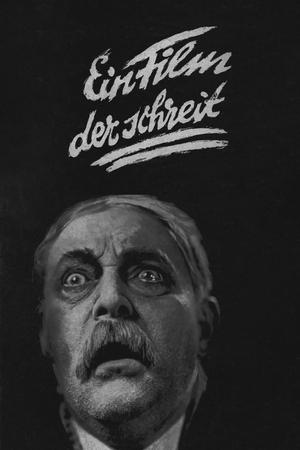
In this realistic, unsentimental portrait of Germany’s dire economic situation, a middle-aged payroll clerk loses his job due to technological advances and, unable to find another, descends into despair. The film’s director, Marie Harder, was one of only a few women directors of the time and was also the head of the German Social Democratic Film Office. She made only two known films before her accidental death in exile in Mexico in 1936.
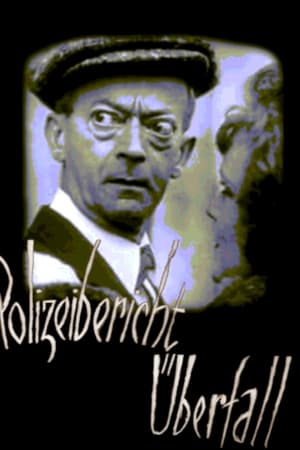
A tense vignette about the fate of an unlucky man in poverty-stricken Weimar-era Germany.
The rise and inevitable fall of an amoral but naive young woman whose insouciant eroticism inspires lust and violence in those around her.
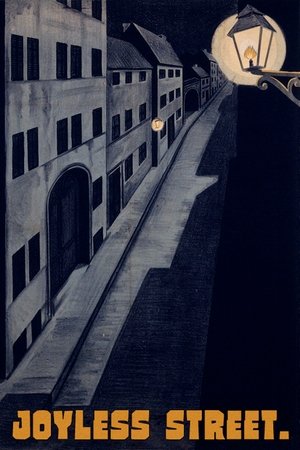
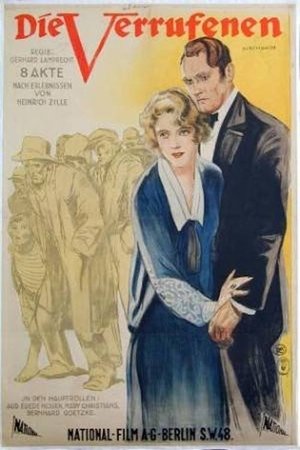
It was not just the children who were treated badly by the wealthy Weimar republic. Robert Kramer is released from prison but struggles to adjust to civilian life. His father disowns him, his wife has left him for another man. There is no work. He eventually arrives in a shelter for the homeless, and seeks salvation through Emma, a prostitute.
In 1921, we follow two women - Marie and Grete - from the same poor Viennese neighborhood, as they try to better the lives of themselves and their families during the period of Austrian postwar hyperinflation.
Nine part documentary series on the advantages of the Neues Bauen architectural movement, particularly in addressing housing shortages.
Lord Trevor and his ward, Nan, uncover a mysterious threat in Egypt. Disguised in Cairo, Nan infiltrates a deadly conspiracy targeting the English and must act swiftly to stop it before disaster strikes.
After the departure of their parents, the Lucas kids are on their own. Amandine, the eldest who is only 15 years old, takes care of her little brothers and little sister. So that their family are not separated, taken by social services, they hide to everyone they were abandoned. Nicolas, a new student, arrives at school and falls for her. Gradually she will trust him, they all come out and admit it all.
The story of a free-spirited Bohemian. Capellani would remake the film in the U.S. in 1916 with a longer runtime.
The Mark of Cain
Vienna 1910 is a 1943 German biographical film directed by Emerich Walter Emo and starring Rudolf Forster, Heinrich George and Lil Dagover. It is based on the life of Mayor of Vienna Karl Lueger. Its antisemitic content led to it being banned by the Allied Occupation forces following the Second World War.
The sensitive Austrian Crown Prince Rudolf is suffering from his marriage, dictated by his father, Emperor Franz Joseph, and the strict court etiquette. He meets a kindred spirit in the very young Baroness Mary Vetsera.
Das Kreuz am Jägersteig
Lampenfieber
Zu jung für die Liebe?