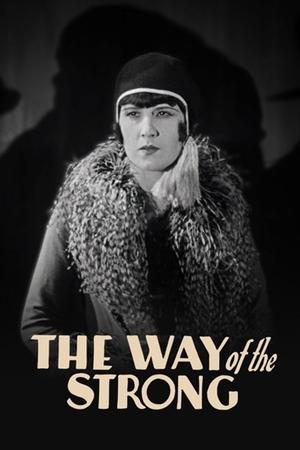
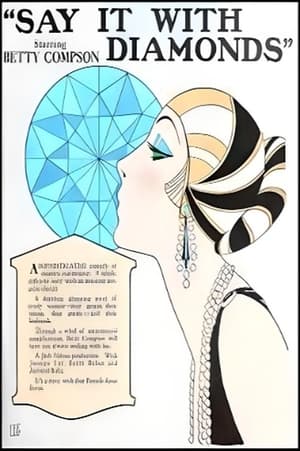
A young girl, Rose Eastmen lives with her lazy Uncle, who works as a janitor in a publishing house. Lacking education, both Rose and her Uncle are susceptible to the socialist ideas of writer Rudolph Creig. One day Rose encounters Jack Steven's the wealthy son of the publishing house, working on his car. She believes he is a common laborer, and begins seeing him. Through her exposure to Jack, Rose begins to realize the rich are not such an abominable people. Rudolph has also reached this conclusion after learning Steven's has published his book. Now with a hefty royalty check and success, Rudolph is able to marry Rose.
Nina, mid 20’s, is a visual artist whose art depicts the feminine beauty of all women but struggles with self-identity as a multicultural millennial woman. While flipping through social media her frustration leads her to brood over old photos of complex stages in her life. She’s inspired to create a portrait that represents her personal voyage to self confidence and finally see her beautiful self.
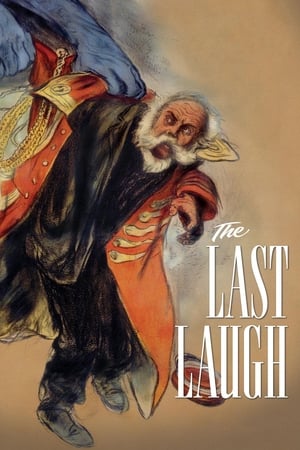
An aging doorman, after being fired from his prestigious job at a luxurious hotel, is forced to face the scorn of his friends, neighbours and society.
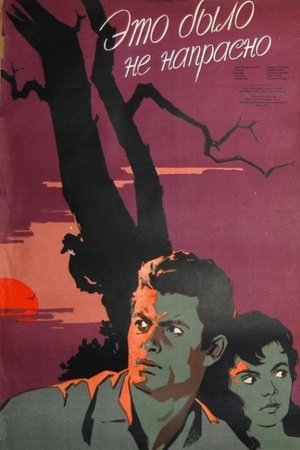
Boris Buzančić plays an idealistic young doctor who is assigned a nearly deserted village. The backwards residents at first resent Buzančić's new-fangled methods. Gradually, he proves his worth and wins their confidence. The clincher comes when Buzančić rids the community of a despotic villain.
A gangster falls for a blind violinist, only for his mobster rivals to kidnap her.
A father intends to save the life of his own son, by paying out a new type of suicide life insurance.
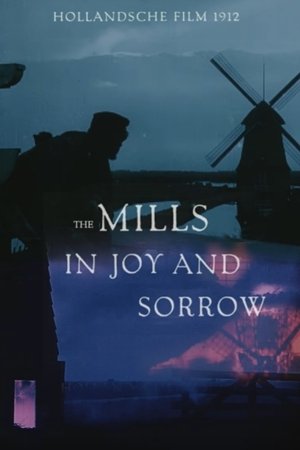
A hobo takes revenge to a miller who didn't give him something to eat.
A lonely woman's prank phone call leads to an unexpected friendship with a grieving widow.
American silent drama film following an early Vitagraph leading man and matinee idol. Prints of the film are held at the Library of Congress and George Eastman House Motion Picture Collection.
The mighty King of Babylon falls in love with a beautiful girl, ruthlessly tears her away from her lover, who is left wounded upon the ground, and carries her to his palace, where he seeks to will her affections, showering her with gifts of precious stones from his treasure chests. The heart-broken girl repulses all his overtures and dashes the jewels to the floor, and the infuriated monarch, incensed at her refusal to share his throne, orders her cast into the lions' den. An immense throng of his court followers are invited to witness the execution, but the expectant throng is dumbfounded when the ferocious beasts, instead of rending the victim to pieces, fawn upon her. A wave of superstitious awe sweeps through the gathering, who regard the incident as a miracle and believe that the girl is under the protection of the gods. The King's guards are overpowered and the girl released, and the monarch, by this time imbued with fear, pays homage to the maiden, who is restored to her lover.
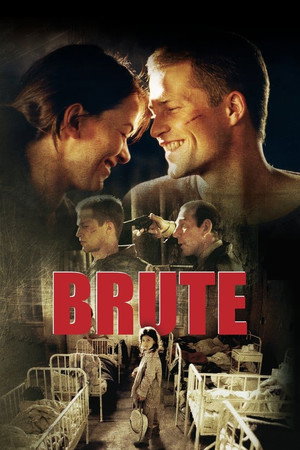
Shipped off to a Romanian orphanage to finish his sentence, a British criminal finds romance but also discovers corruption inside the facility.
A married farmer falls under the spell of a slatternly woman from the city, who tries to convince him to drown his wife.
Hester Prynne's forced public shaming in a strict 17th-century Puritan colony. She wears a scarlet "A" for having a child out of wedlock while her husband is missing and her lover, a minister, hides his involvement.
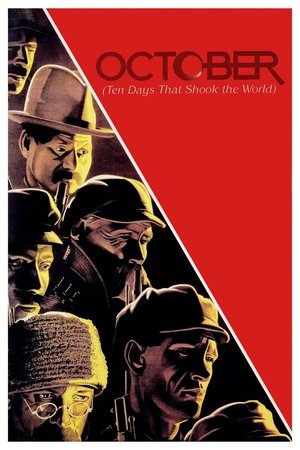
Sergei M. Eisenstein's docu-drama about the 1917 October Revolution in Russia. Made ten years after the events and edited in Eisenstein's 'Soviet Montage' style, it re-enacts in celebratory terms several key scenes from the revolution.
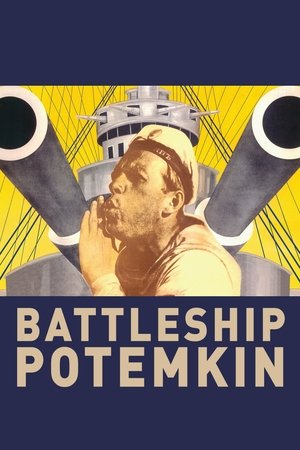
A dramatized account of a great Russian naval mutiny and a resultant public demonstration, showing support, which brought on a police massacre.
This pioneering documentary film depicts the lives of the indigenous Inuit people of Canada's northern Quebec region. Although the production contains some fictional elements, it vividly shows how its resourceful subjects survive in such a harsh climate, revealing how they construct their igloo homes and find food by hunting and fishing. The film also captures the beautiful, if unforgiving, frozen landscape of the Great White North, far removed from conventional civilization.
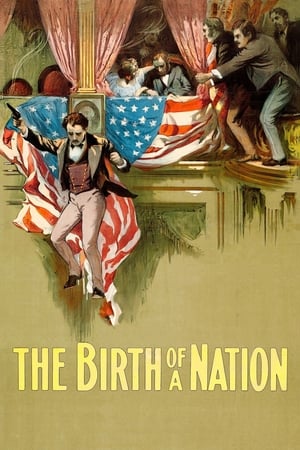
Two families, abolitionist Northerners the Stonemans and Southern landowners the Camerons, intertwine. When Confederate colonel Ben Cameron is captured in battle, nurse Elsie Stoneman petitions for his pardon. In Reconstruction-era South Carolina, Cameron founds the Ku Klux Klan, battling Elsie's congressman father and his African-American protégé, Silas Lynch.
An old woman has died and her widower with dementia confesses to killing her. After this, the story goes back in time to show the events leading up to her death.
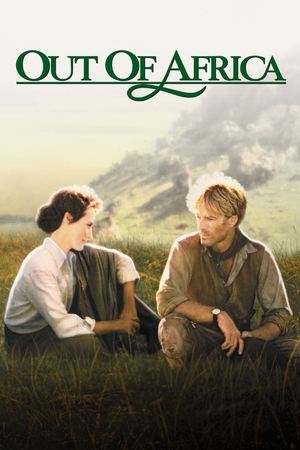
Tells the life story of Danish author Karen Blixen, who at the beginning of the 20th century moved to Africa to build a new life for herself. The film is based on her 1937 autobiographical novel.
When a British army officer, Harry Faversham, resigns his commission on the eve of his regiment's departure for service in the Sudan he is sent four white feathers of cowardice by his comrades and fiancee. In an attempt to redeem himself, Faversham travels out to the Sudan where he saves the lives of his former comrades.