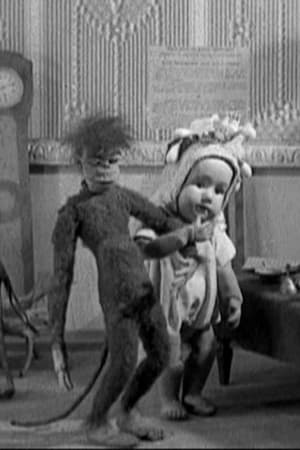
When everyone in town falls under the spell of charismatic cosmetic surgeon Doctor Coppelius, feisty Swan must act to save her sweetheart Franz, before his heart is used to spark life into Coppelia – the ‘perfect’ robot-woman the Doctor has created.
I turned my gaze to the various events in daily life and made this filmic diary in a manner as if confessing my feelings. Of course, since I was making the film, I wanted to depict these feelings and events with tricky techniques. I used various methods to shoot photographs of a relative's wedding, the landscape I see from window of my house, commemorative travel photographs and the like frame-by-frame.
A fine day in the life of a fly presented completely from the fly's point of view. A fine day until something dreary happens, that is.
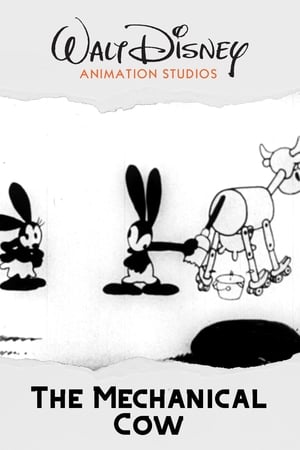
Oswald wakes up grumpy and takes it out on his alarm clock, afterward trying his best to wake up the mechanical cow sleeping in the bed beside him, with limited success. They finally do get going, sailing around the barnyard offering milk to denizens of the farm. When kidnappers arrive and takes Oswald's girlfriend away, he and the cow set off to rescue her.
A man who no longer can afford his rent is forced to sell his beloved furniture. The furniture can not bear to be parted from their owner and decides to return home. Often confused with Bosetti's film Le Garde meuble automatique (1912).
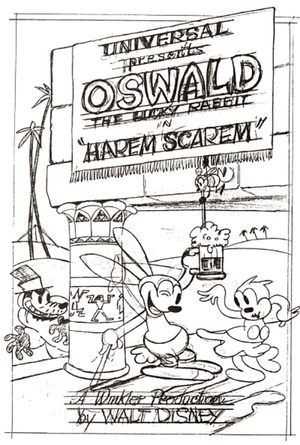
A lost animated short centered on Oswald the Lucky Rabbit's disadventures in the Moroccan desert. Some drawings survived and were put together in an animated clip.
“If abstract films are really abstract films… they deal exclusively with those abstract relations that can be expressed in terms of shape and motion” wrote Robert Fairthorne in Film Art in 1936. A mathematician and information scientist, Fairthorne saw aesthetic potential in an animation made as a teaching aid by Salt, and proposed this collaboration. (Tate.org.uk)
When her grandson is kidnapped during the Tour de France, Madame Souza and her beloved pooch Bruno team up with the Belleville Sisters—an aged song-and-dance team from the days of Fred Astaire—to rescue him.
Using an array of gloves in different styles and from different historical periods, the film is a short history of the cinema - from silent movies via pastiches of Buñuel and Fellini and Close Encounters of the Third Kind to a futurist junkyard where tin cans become animated police cars in a city of urban decay.
Krazy Kat follows Ignatz Mouse and thinks about family as the latter takes his children out on a walk.
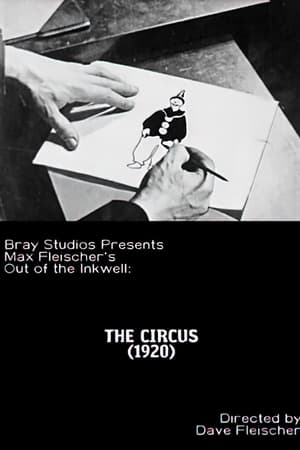
Max Fleischer draws the upper and lower halves of the Clown's body, which dance around separately before coming together. Max interacts with his creation before ultimately washing the Clown off the page with water.
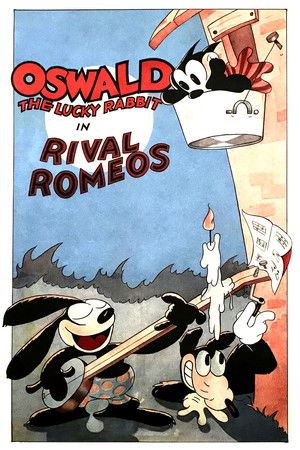
Oswald is off to see his sweetheart when he is passed by a rival in a faster car. He takes the lead, though, when both drivers encounter a mud puddle; Oswald isn't afraid to get a little dirty, while his competitor is. Oswald arrives and serenades his love, hampered by the animals in the yard. The rival shows up and they fight over the girl, during which time she slips away with a third suitor.
Oswald the Rabbit enters an airplane race with a makeshift aircraft and ends up riding a dachshund lifted into the air by balloons. Meanwhile, his peg-legged rival tries to cheat his way to victory.
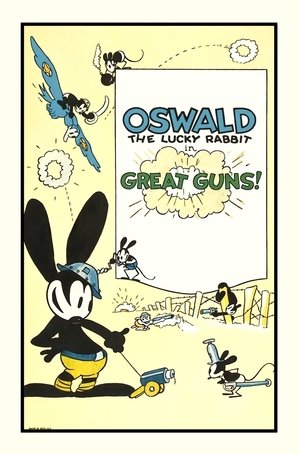
Oswald's country is at war, like many other volunters he joins the army and finds himself soon in the trenches. A short battle leaves him wounded, but at least in the field hospital where his girlfriend is working.
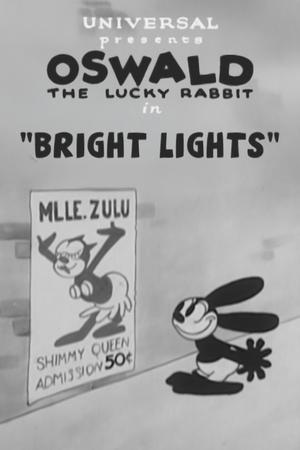
Oswald would like to see Mlle. Zulu the Shimmy Queen but he's short on cash. Seeing the more stately gentlemen being admitted without tickets, he tries to fool the bouncer into thinking he's important by puffing up his chest and striding in. It doesn't work, and he's forced to try a second plan, sneaking in under another patron's shadow. He gets caught and spends his time being chased by the bouncer throughout the theater.
A prophet who longed to look upon his deities. A daunting journey to a mountain peak. A confrontation with gods too powerful to name. This is the story that inspired Peter Rhodes, who worked as a filmmaker and artist during the 1920s. Few people know of his work, and it's only through luck and perseverance that we have been able to track down the elements for this "lost" film. Rhodes' films were created using silhouette animation, a technique perfectly suited to depict Lovecraft's mythic Dreamland stories. The filmmaker's involvement in New York City's occult and literary scenes provided him with a select audience for his work. Rhodes was especially influenced through his relationships with occultist Aleister Crowley and writer H.P. Lovecraft, but it was personal tragedy that moved him to produce "The Other Gods: A Tale of the Dream Cycle," his most powerful film.
Mary and Eva are best friends, although they couldn't be more different. Armand, Mary's fiancee, falls in love with the seductive Eva, who is busy becoming a revue star. When Eva fails and loses her money, Armand tries to help her out.
A Blue Soldier and a Yellow Soldier play a board game trying to outwit each other, struggling for control over a piece of land. The Farmer who belongs to the land is not allowed to play and must pick a side. As the fighting escalates, what side does she choose?
Short directed by Lotte Reiniger.
Oswald's sweetheart is stolen by a schoolyard bully, so he has to fight him during recess to win her back.