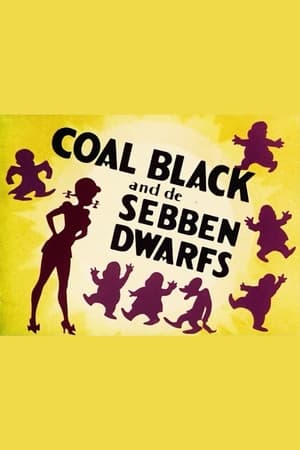
Spoof of Snow White and the Seven Dwarfs (1937) with an all-black cartoon cast. One of the “Censored 11” banned from TV syndication by United Artists in 1968 for racist stereotyping.

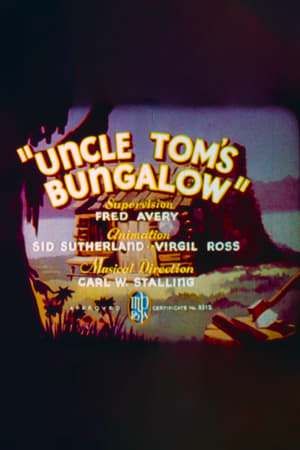
Warner Bros. cartoon parody of Uncle Tom's Cabin. One of the “Censored 11” banned from TV syndication by United Artists in 1968 for racist stereotyping.
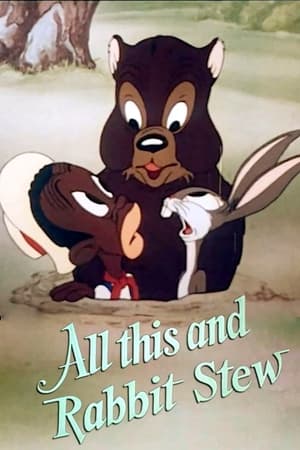
Bugs Bunny heckles a black hunter and escapes from a bear. One of the “Censored 11” banned from TV syndication by United Artists in 1968 for racist stereotyping.
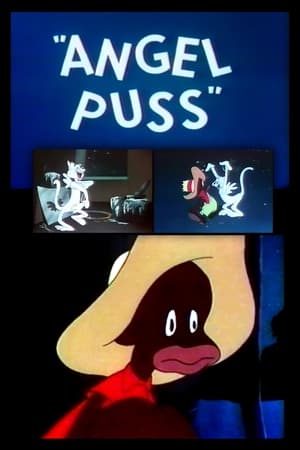
A little black boy is hired to kill a cat, but the feline escapes and proceeds to play tricks on the kid, pretending he's a ghost come back to haunt his "killer". One of the “Censored 11” banned from TV syndication by United Artists in 1968 for racist stereotyping.
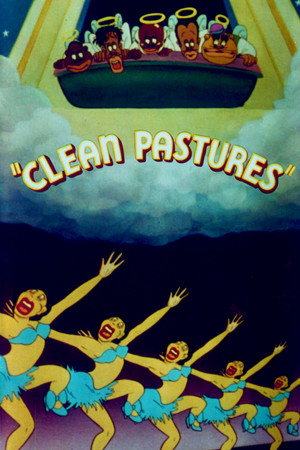
The Lord sees that the stock value of "Pair-o-dice" is dropping on the exchange so he dispatches a slow-witted and slow-talking angel to sinful Harlem to recruit new customers. When this fails, God finds success sending a group of musical angels with a little more swing in their style, so much so that even the Devil wants to join up! One of the “Censored 11” banned from TV syndication by United Artists in 1968 for racist stereotyping.
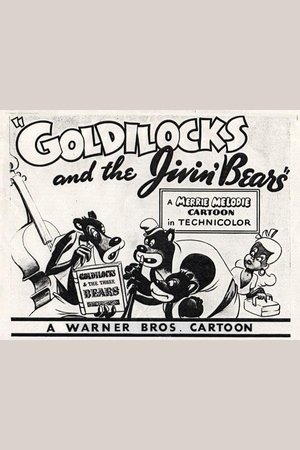
The stories of "Goldilocks" and "Little Red Riding Hood" collide with the world of jazz, resulting in three jiving bears and a jitterbugging Big Bad Wolf. One of the “Censored 11” banned from TV syndication by United Artists in 1968 for racist stereotyping.
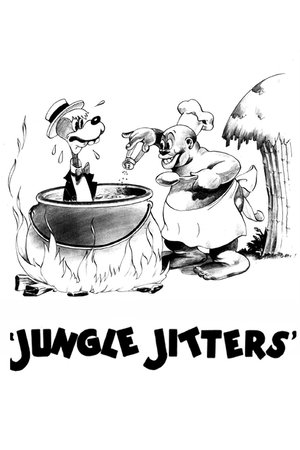
Starts out with a tribe of African cannibals imitating Native Americans. After this, they do the new Warner Bros. Looney Tunes theme "The Merry-Go-Round Broke Down." Then a sloppy stuttering salesman knocks on their doors, and they bring him in and put him in a pot of boiling water. The queen of the tribe wants to see the man. She falls in love with him. They get married, but when the salesman sees he has to kiss the bride, he decides he'd be better off being dinner for a tribe of hungry cannibals. One of the “Censored 11” banned from TV syndication by United Artists in 1968 for racist stereotyping.
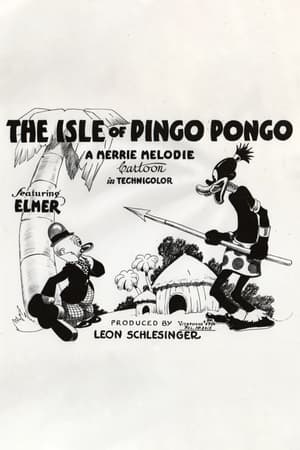
A travelogue spotlights the tropical island of Pingo Pongo, showing the unusual flora and fauna and the lives of the happy natives. One of the “Censored 11” banned from TV syndication by United Artists in 1968 for racist stereotyping.
Piggy and Fluffy have adventures on a riverboat and Uncle Tom is chased by skeletons promising to take him to Hallelujah Land.
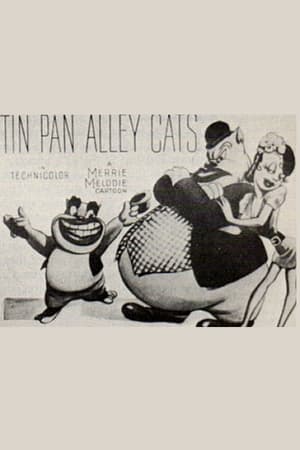
A jazz cartoon involving a "Fats Waller"-like cat who leaves the "Uncle Tomcat Mission" for the local jazz club. One of the “Censored 11” banned from TV syndication by United Artists in 1968 for racist stereotyping.
Norm the Genie returns and tricks Cosmo and Wanda into disliking Timmy by replacing him with a selfish, unappreciative clone version. When Cosmo and Wanda quit, a singing contest is held in Fairy World to determine who gets to replace Timmy's godparents. And there is another big problem: Norm is a participant.
Harry Leon Wilson has written nothing more diverting than this story of the irreproachable English valet who is lost in a poker game to a rough-and-ready westerner and taken to Red Gap ultimately to become its social mentor and chief caterer, and there is sheer delight in the story of how the Earl, brought over to save his younger brother from the vampirish clutches of Klondike Kate, makes the lady his Countess and once more stands Red Gap upon its somewhat dizzy head.
Plot TBA. Described as "My Best Friend’s Wedding with a bisexual Latinx POV."
Based on the play of the same name by Aeschylus , it retells the myth of Prometheus, who stole fire from the gods to benefit mankind, and as a result was crucified atop a mountain.
Portrait of the artist as a young man. If he had no hands and a dick for a nose.
The brother and sister have no living family and depend their lives on each other. The sister is a beauty and has many suitors fighting over her. Unfortunately the sister has been cursed and cannot get romantically involved. The neighbors make fun of her for that. After visiting many doctors, Uncle Piu volunteers to treat her, which arouses Uncle Piu’s wife’s suspicions and leads to a series of funny instances…
Marjetka is living ten years with Maks, who is a painter, and an uncompromising conceptual artist. At first, it seemed different: Max was witty, charming, talented and promising, so he hired Marjetka to reach fame and success. "Well, it is funny today, but fame and money is not coming out of nowhere". The film has a poet, Srecko, Max's mother, an opera singer, and Vilma, Marjetka's friend. In short, the artists themselves, or as Max says from his point of view: "Slovenian - Country artists". And when Marjetka a few days after her 30th birthday, full of doubts about this way of life, which is not to her liking, she realizes that Maks is not only an irreversible bohemian, but also a slacker and sarcastic, she decides to change her life. And this is very radical. Rather than leave it to him.
An ex-businessman, ruined and reduced to living under bridges, uses the name of one of his companions in misfortune, Rothchild, to organize a vast scam.
The entrepreneur Franco, a wealthy man, finds himself going through a period of profound crisis with his wife Laura and things get complicated when he meets his young and beautiful daughter-in-law, Flora. Passion sparks between the two but the girl's husband certainly doesn't sit idle, starting a relationship with her sister-in-law. Each member of the family ends up being involved in affairs and betrayals, with unpredictable consequences.
Hassam: Why Me?