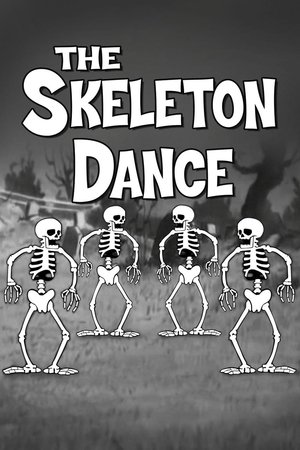
The demons of hell play music for Satan, whose delight turns to wrath when an insubordinate refuses to become food for Cerberus.
The two pigs building houses of hay and sticks scoff at their brother, building the brick house. But when the wolf comes around and blows their houses down (after trickery like dressing as a foundling sheep fails), they run to their brother's house. And throughout, they sing the classic song, "Who's Afraid of the Big Bad Wolf?".
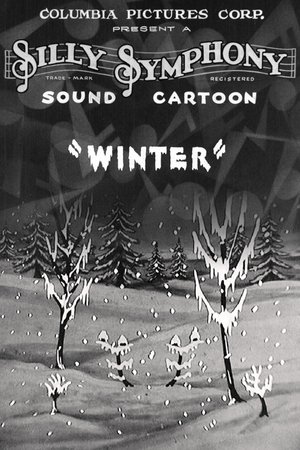
Santa's little helpers must hurry to finish the toys before Christmas Day.
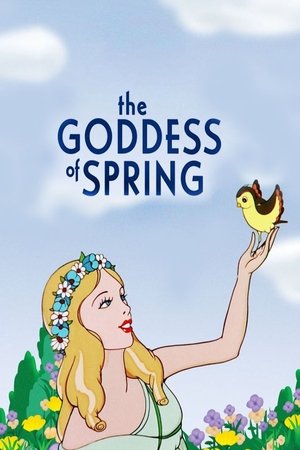
Flowers, insects, and a crow family all dance to a jaunty tune celebrating spring. After a brief storm, grasshoppers, frogs, and spiders cavort to the Dance of the Hours.
The monkeys are swinging; their song and dance routine has other jungle creatures joining in. And two monkeys in love chase and kiss. But the hungry crocodiles lie in wait (and dance the soft shoe).
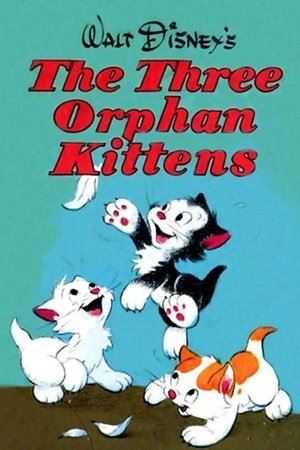
Thrown out of the house into the backyard, the three kittens are sheltered by a giant Saint Bernard and are tormented by a turtle and a bluebird.
Various Mother Goose rhymes are portrayed by Hollywood stars for example, Old King Cole's fiddlers three are the Marx Brothers, and Humpty Dumpty is W.C. Fields, who falls while tormenting Charlie McCarthy; Simple Simon and the Pieman are Laurel and Hardy.
The moon and two owls sing to the Blue Danube Waltz, celebrating the night. Moths dance around a candle flame, fireflies glow, frogs chorus, and so forth.
Little Elmer Elephant has a crush on Tillie Tiger and his affection is reciprocated. Trouble is, the pint-sized pachyderm is beset by bullies who ridicule his trunk and make his life miserable. Then a conflagration breaks out at Tillie's tree house.
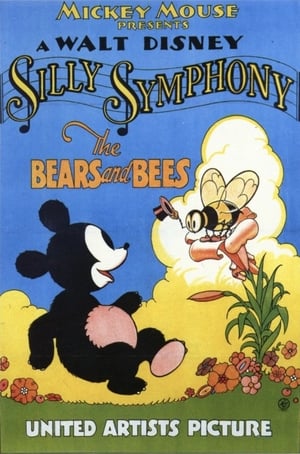
To the tune "I Would Like to Be a Bird," a young mouse fashions wings from a pair of leaves, to the great amusement of his brothers when his attempts to use them fail. When the butterfly he rescues from a spider proves to be a fairy, he wishes for wings. But his bat-like appearance doesn't fit in with either the birds or the other mice, and he finds himself friendless; even the bats make fun of him. Written by Jon Reeves
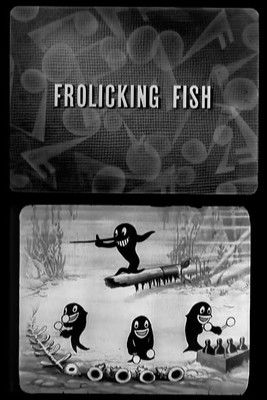
The title pretty much says it: fish and other marine life dance and frolic to various tunes. An octopus keeps spoiling the fun in various ways.
It's morning in the English countryside and time for the gentry to participate in their favorite sport: the fox hunt. The eccentric gentlemen come in all shapes and sizes, the fat ones putting the greatest strain on the horses. The craziest things happen to the monocled hunters. One even gets knocked off his horse when it jumps over a brick wall. He shoots straight up into the air and, thanks to a parachute hidden in his clothes, makes a gentle landing. But instead of the ground, he lands on a cow. Upset by her unwanted passenger, she takes off at top speed, finally dumping him in a mud puddle, where he lands on a pig and continues his wacky ride. Meanwhile, the poor fox finally gets trapped in a hollow log. Dogs to the left of him, dogs to the right! Luckily, the beleaguered creature gets help from a certain powerful, and pungent, friend.
Old King Cole throws party and invites all of the Mother Goose characters. He warns them that they must leave at midnight. Another collection of characters puts on a stage show. The Ten Little Indian Boys get everyone dancing along. The Hickory Dickory Dock mice announce midnight, and everyone leaves, back into their books.
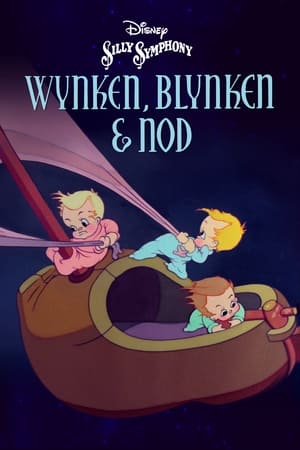
Three sleepy babies in a clog-boat sailing through the night sky attempt to fish with candy canes for very smart fish.
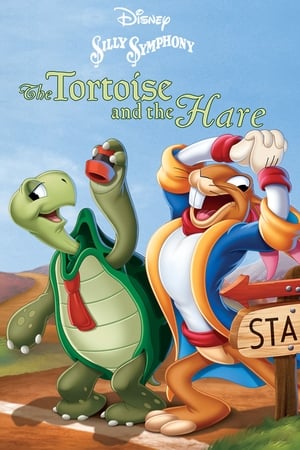
The Tortoise and the Hare is an animated short film released on January 5, 1935 by United Artists, produced by Walt Disney and directed by Wilfred Jackson. Based on an Aesop's fable of the same name, The Tortoise and the Hare won the 1934 Academy Award for Best Short Subject: Cartoons. This cartoon is also believed to be one of the influences for Bugs Bunny.
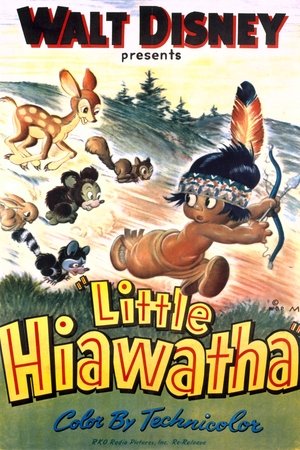
The "fearless warrior" of the poem is a very small child whose pants keep falling down. He tries to shoot a grasshopper with his arrow, but the grasshopper spits in his eye. He tries to shoot a bunny rabbit, but the rabbit is too cute and pathetic. He tracks a bear, and runs after its cub and right into the mother. But the rest of the animals, thankful for him saving the rabbit, come to his rescue.
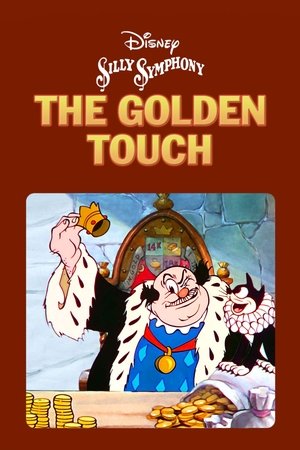
King Midas is visited by an elf; the elf turns his cat to gold, then claps his hands and it changes back. Midas begs for the golden touch, but the elf warns him it would be a curse to him. Midas insists. He dances about joyfully at first, but discovers the drawbacks when he sits down to dinner. Fearing death by starvation, he summons the elf and agrees to surrender everything he owns to have the curse lifted.
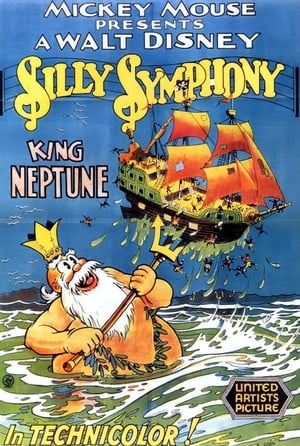
After a short introduction, one of Neptune's mermaids is captured by a pirate ship, and their anchor chain entangles King Neptune; the various sea creatures launch a full-on assault on the pirate ship, and eventually the giant King himself gets free and creates major havoc for the ship.
Walt Disney enlisted former colleagues Hugh Harman and Rudy Ising to help create this underwater Silly Symphony. Ocean waves form merbabies who are summoned to an aquatic circus playground on the sea floor, where they interact with a parade of seahorses, starfish and other marine life, before disappearing into the surface from which they came.
A narrator sings the opening stanzas of the classic poem while we see the house at rest. Santa lands on the roof, comes down the chimney, and opens his bag. The toys march out and decorate the tree, with the toy soldiers shooting balls from their cannon, a toy airplane stringing a garland like skywriting, and the toy firemen applying snow. A blimp delivers the star to the top. Meanwhile, Santa fills the stockings. His laughter awakens the children, who sneak out. The toys rush to their places, and Santa escapes up the chimney just in time.