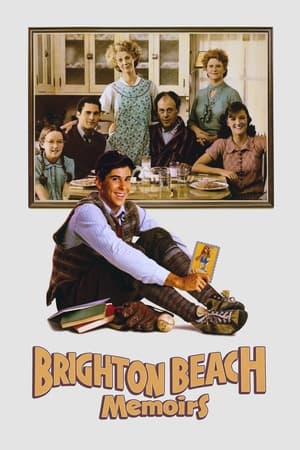
Eugene, a young teenage Jewish boy, recalls his memoirs of his time as an adolescent youth. He lives with his parents, his aunt, two cousins, and his brother, Stanley, whom he looks up to and admires. He goes through the hardships of puberty, sexual fantasy, and living the life of a poor boy in a crowded house.
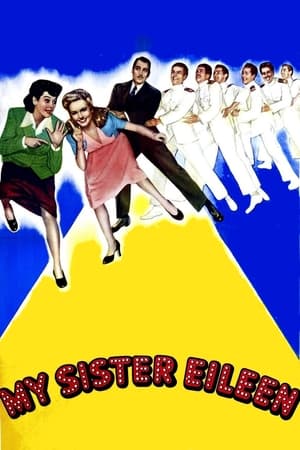
Sisters Ruth and Eileen Sherwood move from Ohio to New York in the hopes of building their careers. Ruth wants to get a job as a writer, while Eileen hopes to succeed on the stage. The two end up living in a dismal basement apartment in Greenwich Village, where a parade of odd characters are constantly breezing in and out. The women also meet up with magazine editor Bob Baker, who takes a personal interest in helping both with their career plans.
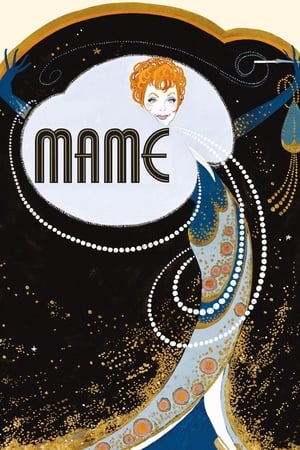
The madcap life of eccentric Mame Dennis and her bohemian, intellectual arty clique is disrupted when her deceased brother's 10-year-old son Patrick is entrusted to her care. Rather than bow to convention, Mame introduces the boy to her free-wheeling lifestyle, instilling in him her favorite credo, "Life is a banquet, and most poor sons of bitches are starving to death."
A pair of divorced actors are brought together to participate in a musical version of The Taming of the Shrew. Of course, the couple seem to act a great deal like the characters they play, and they must work together when mistaken identities get them mixed up with the mafia.
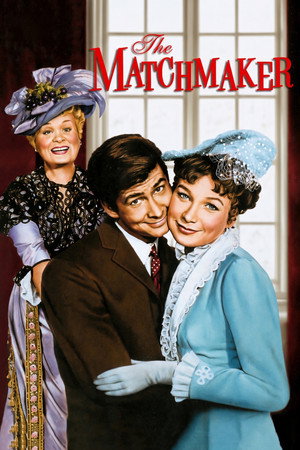
Thornton Wilder's tale of a matchmaker who desires the man she's supposed to be pairing with another woman.
Andre and Colette Bertier are happily married. When Colette introduces her husband to her flirtatious best friend, Mitzi, he does his best to resist her advances. But she is persistent, and very cute, and he succumbs. Mitzi's husband wants to divorce her, and has been having her tailed. Andre gets caught, and must confess to his wife. But Colette has had problems resisting the attentions of another man herself, and they forgive each other.
The daughter of a circus owner fights to save her father from a takeover spearheaded by the man she loves.
The buoyant Molly Brown has survived the first crisis of her life—a flood. Sixteen years later she sets out to make her way in the world. She assures the Leadville saloon keeper that she can sing and play the piano, and learns quickly. Soon she marries Johnny Brown, who in a few years will be able to replace the original cigar wrapper wedding ring with a replica in gold and gemstones. The Browns head for Europe and bring a few crowned heads back to Denver for a party that turns into a ballroom brawl. Molly goes to Europe alone, returning on the Titanic. She didn't survive a flood as a baby for the story to end here.
In Dublin for her sister's wedding, Alice's night takes a curious turn when she stumbles into Hartstown, and has a series of very odd encounters with the local nightlife.
A team of ghost hunters gets more than they bargained for when the house they’re pretending is haunted turns out to be occupied by the evil spirit of a serial killer. Everything goes haywire as the demon fights to take possession of their bodies. Can they make it out alive?
In pre-WWI England, a youngster is expelled from a naval academy over a petty theft, but his parents raise a political furor by demanding a trial.
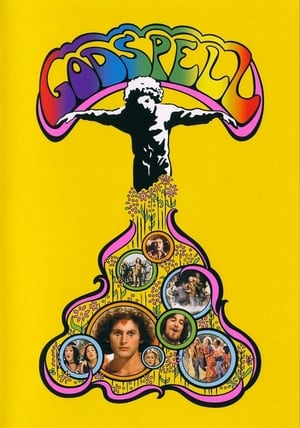
In modern-day New York City, John the Baptist calls out to a group of young men and women to learn from the teachings of Jesus. Through song and dance, they relive Christ's crucifixion.
The beloved American musical that brought us “The Impossible Dream” turns its lens on modern love and society, especially as brought to the Playhouse stage by director Mark Lamos in our award-winning 2018 production. In this play within a play, Cervantes has not yet finished his manuscript for Don Quixote—he sits in jail awaiting trial during the Spanish Inquisition. Fourteen actors portraying Cervantes and his fellow prisoners bring to life the great odyssey we all know of a questing knight tilting at windmills and battling for the love of the fair maiden Aldonza.
It's summer vacation, but two high schoolers have been instructed to clean the (empty) swimming pool. As they sweep the pool, they initially discuss school life, love and makeup. But it isn't long before their worries begin to overflow and their thoughts intersect.
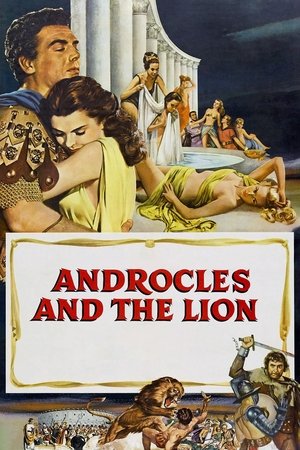
George Bernard Shaw’s breezy, delightful dramatization of this classic fable—about a Christian slave who pulls a thorn from a lion’s paw and is spared from death in the Colosseum as a result of his kind act—was written as a meditation on modern Christian values. Pascal’s final Shaw production is played broadly, with comic character actor Alan Young as the titular naïf. He’s ably supported by Jean Simmons, Victor Mature, Robert Newton, and Elsa Lanchester.
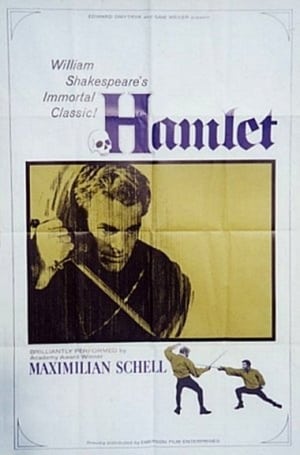
Hamlet, Prince of Denmark, returns home to find his father murdered and his mother remarrying the murderer, his uncle.
A sobering mid-life crisis fuels dissatisfaction in Philip Dimitrius, to the extent where the successful architect trades his marriage and career in for a spiritual exile on a remote Greek island where he hopes to conjure meaning into his life - trying the patience of his new girlfriend and angst-ridden teenage daughter.
Three sisters try to come to grips with the meaning of their mother's suicide.
Ruth Sherwood and her sister, Eileen, have moved to 1935 Greenwich Village. They're surrounded by colorful Village characters (including an out-of-work football player known as the Wreck, and Mr. Appopolous, a modern painter and their landlord) and embark on various New York adventures. Ruth, who's trying to make it as a writer, meets up with a sleazy newspaper writer named Chick and a kindly editor named Bob, both of whom take an interest in both her career and her.
A gay bachelor party turned spooky when sinister spirits are suddenly summoned.