A weekly hour-long program hosted by Cher, featuring music, comedy sketches, and a different female guest star each week, with notable guests including Bette Midler, Carol Burnett, and Tina Turner.
Texaco Star Theater is an American comedy-variety show, broadcast on radio from 1938 to 1949 and telecast from 1948 to 1956. It was one of the first successful examples of American television broadcasting, remembered as the show that gave Milton Berle the nickname "Mr. Television". The classic 1940–44 version of the program, hosted by radio's Fred Allen, was followed by a radio series on ABC in the spring of 1948. When Texaco first took it to television on NBC on June 8, 1948, the show had a huge cultural impact.
A program that consists of a variety of fun “short form dramas” that seeks to expand the comedy through collaboration with various genres such as webtoons, dramas, entertainment, and music.
ザ・コメデュアル
The Colgate Comedy Hour is an American comedy-musical variety series that aired live on the NBC network from 1950 to 1955. The show starred many notable comedians and entertainers of the era, including Eddie Cantor, Dean Martin and Jerry Lewis, Fred Allen, Donald O'Connor, Bud Abbott and Lou Costello, Bob Hope, Jimmy Durante, Ray Bolger, Gordon MacRae, Ben Blue, Robert Paige, Tony Curtis, Burt Lancaster, Broadway dancer Wayne Lamb and Spike Jones and His City Slickers.
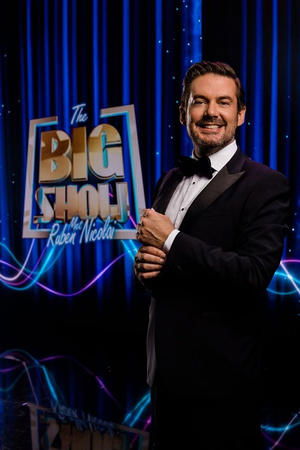
The Big Show met Ruben Nicolai
獎門人取犀Game
Three artists, actor and singer Barcode and idol trainees Min and Winnie, come together for a series of trips throughout Krabi, Chiang Mai and Bangkok where they'll be faced with missions and mini games. By the end of each trip, the artists will have to plan and perform road shows.
The Tracey Ullman Show is an American television variety show, hosted by British-born actress and onetime pop singer Tracey Ullman. It debuted on April 5, 1987 as the Fox network's second primetime series after Married... with Children (1987–1997), and ran until May 26, 1990. The show is produced by Gracie Films and 20th Century Fox Television. The show blended sketch comedy shorts with many musical numbers, featuring choreography by Paula Abdul. The show also produced The Simpsons shorts before it spun off into its own show, which was also produced by Gracie Films and 20th Century Fox Television.
Eat Bulaga! is a noon-time variety show in the Philippines produced by Television And Production Exponents Inc. and aired by GMA Network. The show broadcasts from The New TAPE Studios at the GMA Broadway Centrum in New Manila, Quezon City. Eat Bulaga! is aired Weekdays at 12:00pm to 2:30 pm and Saturdays at 11:30am to 2:30pm. The show is also broadcast worldwide through GMA Pinoy TV. The name approximately translates to "Lunchtime Surprise!". The show celebrated its 34th year on Philippine television on July 31, 2013, holding the record of being the longest-running noontime variety program on air in the history of local television. Its first overseas version was Eat Bulaga! Indonesia, which premiered on Indonesia's SCTV network on July 16, 2012. Eat Bulaga! became the first Philippine show, variety show in particular, to be franchised by another country.
Six of America's brightest entertainers come together to compete and showcase their talents with breathtaking and unique acts - featuring skills they did not even know they had.
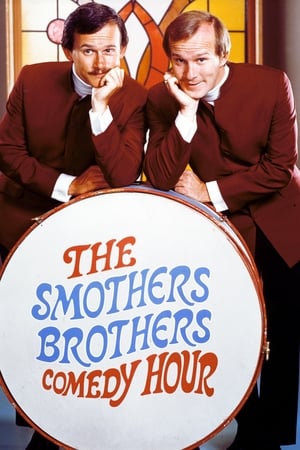
The Smothers Brothers Comedy Hour is an American comedy and variety show hosted by the Smothers Brothers and initially airing on CBS from 1967 to 1969.
A Philippine noontime musical and party variety show. What began as a search for the country’s most entertaining acts evolves into a hit variety program thriving on spontaneity and animated conversations while drawing talents from all walks of life.
TFI Friday was an entertainment show broadcast on Channel 4 in the United Kingdom from 1996 to 2000. The show was produced by Ginger Productions, written by Danny Baker and hosted by Chris Evans, for the first 5 series. The final series was hosted by a number of guest presenters. It was broadcast on Fridays at 6pm from 9 February 1996 to 22 December 2000, with a repeat later that night. The title officially stood for "Thank Four It's Friday", but was widely understood to mean "Thank Fuck It's Friday" and was a reference to the popular phrase "Thank God it's Friday". The show's theme tune was Ron Grainer's theme from Man in a Suitcase, in keeping with Evans's frequent use of 1960s television themes in his work.
Major news stories, not-so-major news stories, stories involving cats, entertainment, sport and viral videos, it’s a Reader's Digest of world events for a generation who simply don’t want to read.
SMAP×SMAP was an ongoing weekly Japanese variety show on Kansai TV and Fuji TV starring the members of SMAP. The show began on April 15, 1996 and it aired from 22:00 to 22:54 every Monday. The show's usual ratings were higher than 20%, which is considered high since most variety shows range from 10-20%. Each episode begins a variety of skits, comedic performances, and/or games. These are followed by Bistro SMAP, in which the SMAP members compete against each other to impress celebrity judges with their gourmet cooking. Last is a musical performance by SMAP which may include celebrity guests, as well.
Nöjesmassakern
Mickie Finn's was a summer replacement variety series for the failed NBC sitcom Mona McCluskey, which had starred Juliette Prowse and Denny Miller on Thursday nights. The variety program was based on the San Diego nightclub of the same name.
The Harlem Globetrotters Popcorn Machine is a Saturday morning variety show featuring players from the basketball team the Harlem Globetrotters singing, dancing, and performing comedy sketches. Broadcast in 1974, it was produced by Funhouse Productions and Yongestreet Productions for CBS Productions.
Make Your Own Kind of Music was an American summer replacement television series starring The Carpenters that aired on NBC from July 20, 1971 to September 7, 1971. Some guest stars were Don Knotts, Herb Alpert, Al Hirt, Mark Lindsay, Patchett & Tarses, Helen Reddy, and the Doodletown Pipers. The key concept of the series was that each show starts off with the letter "A". The first show started off with "A is for Alpert", as Herb Alpert stood next to a big letter "A", and introduced the show. The cast would then go down the alphabet list, and when they got to "Z", the show would end.