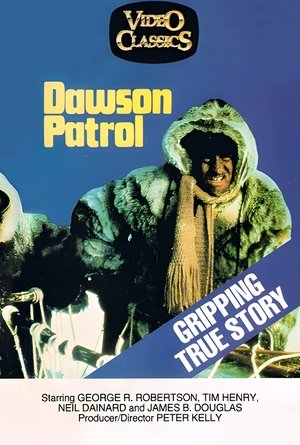
A dramatization of the true story of four men of the North West Mounted Police who, in 1910, set out on a patrol from Fort McPehreson in Canada's Nortwest Territories to Dawson City, Yukon, 500 miles away - and who never reached their destination.
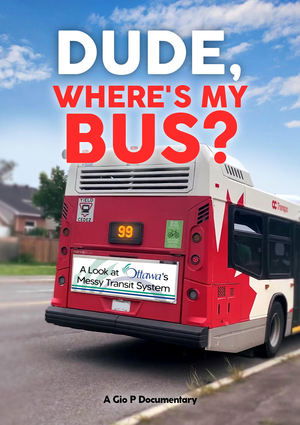
Filmmaker Gio Petti takes an in-depth look at the city's troublesome transit system in his documentary, Dude, Where's My Bus?. His nearly 2 year-long independent investigation delves into the frustrations of daily commuters in Ottawa and more deeply explores the systemic issues plaguing OC Transpo and their effects on the community. Beginning in the South End Suburbs of Ottawa, Dude, Where's My Bus? peels back layers leading to a broader investigation into issues plaguing the once model transit system. From late buses in neglected areas of the city, sprawl and the greenbelt, to the ever more controversial Confederation Line and the P3 system that built it, Petti aims to explore the impact of policy missteps and broken promises on Ottawa's transit users, with an optimistic look to the future.
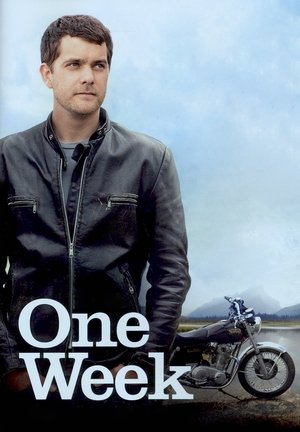
Ben Tyler has been diagnosed with cancer. With a grim chance of survival in the best case scenario even if he immediately begins treatment, he instead decides to take a motorcycle trip from Toronto through the Canadian prairies to British Columbia.
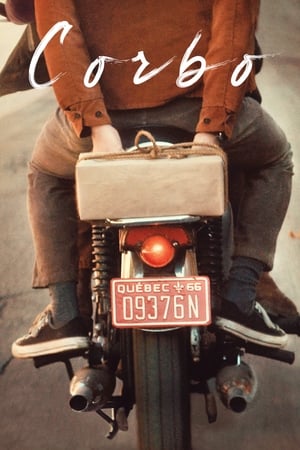
Montreal, spring 1966. Jean Corbo, 16 years old, born to a Quebec mother and an Italian father, is torn between his two affiliations. After befriending two young far-left activists, he joined the Front de Libération du Québec, an underground radical group. Jean, from then on, marches inexorably towards his destiny.
This film takes us into the harsh realm of BC's early coal mines, canneries, and lumber camps; where primitve conditions and speed-ups often cost lives. Then, the film moves through the unemployed' struggles of the '30s, post WWII equity campaigns, and into more recent public sector strikes over union rights.
On the eve of the publication of a biography of Claude Jutra, one of the most famous and celebrated filmmakers in Quebec and Canada, a leak leaked to the press reveals that the book contains anonymous allegations of pedophile acts committed by the filmmaker. The rumor spread like lightning, suddenly igniting the entirety of Quebec society. By finding today some of the main witnesses propelled overnight into the heart of an unparalleled media tornado, the documentary reconstructs with archive images and other previously unpublished images, the sequence of events which led to a rewriting of the story.
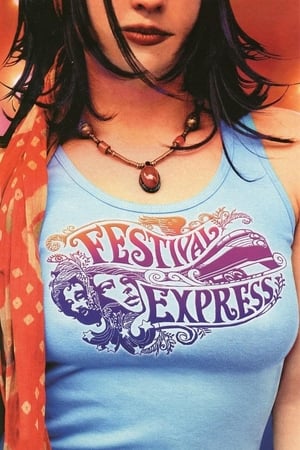
The filmed account of a large Canadian rock festival train tour boasting major acts. In the summer of 1970, a chartered train crossed Canada carrying some of the world's greatest rock bands. The Grateful Dead, Janis Joplin, The Band, Buddy Guy, and others lived (and partied) together for five days, stopping in major cities along the way to play live concerts. Their journey was filmed.
Sergeant Michael Dunne fights in the 10th Battalion, AKA The "Fighting Tenth" with the 1st Canadian Division and participated in all major Canadian battles of the war, and set the record for highest number of individual bravery awards for a single battle
In 1896, three survivors of a whaling ship-wreck in the Canadian Arctic are saved and adopted by an Eskimo tribe but frictions arise when the three start misbehaving.
The injustice of the Japanese internment is explored through the story of Kyuichi Nomoto, one of the first Japanese Canadians to graduate from UBC, who suffered a breakdown deep in the BC Interior.
Two thousand Canadians suffered the longest incarceration anywhere in the Second World War, a bitter four-year period inside Japanese POW camps in Hong Kong and Japan.
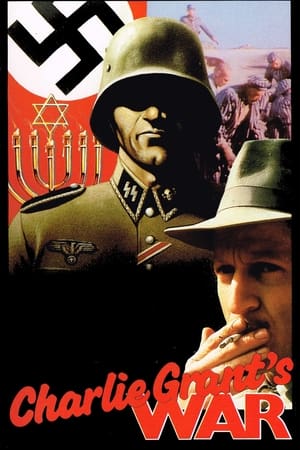
A Canadian artist turned diamond merchant in Vienna, Austria risks his life to smuggle Jews out of the Third Reich.
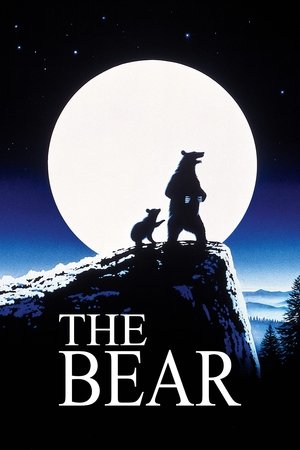
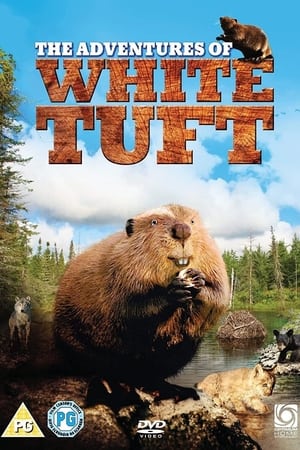
An orphan bear cub hooks up with an adult male as they try to dodge human hunters.
Carter (Benjamin Dunk Kostecki) returns to town to visit some old friends. After he can't find a ride from the bus station, his day begins to unravel.
Set in a poor Québec neighbourhood during the 1930s, a young woman begins the dire labour of birthing.
Two well-known Quebec artists (filmmaker Jacques Godbout and playwright René-Daniel Dubois) look at the Battle of the Plains of Abraham. Whose version of this historic event should prevail? Is history best served by documentary or fiction? We also meet Baron Georges Savarin de Marestan and Andrew Wolfe-Burroughs, direct descendants of Montcalm and Wolfe, both of whom died in the battle that would give birth to Canada and to the province of Quebec.
A documentary recounting the kidnappings of British Trade Commissioner James Cross and Quebec Vice-Premier & Minister of Labour Pierre Laporte by the FLQ on October 5, 1970 in Quebec.
Already a successful portrait photographer, Hannah sets to reinvent this art form. Abandoning herself to a creative process that might easily be mistaken for madness, she's soon visited by mirror images of herself, as well as her daughter's ghost. Inspired by the life of photographer Hannah Maynard (1834-1918).
Director Allan King's 1981 drama, based on true events, stars Ellen Burstyn as a strong-willed woman struggling to survive with her family in the Canadian wilderness.
When Grizz, Panda, and Ice Bear's love of food trucks and viral videos get out of hand, the brothers are now chased away from their home and embark on a trip to Canada, where they can live in peace.