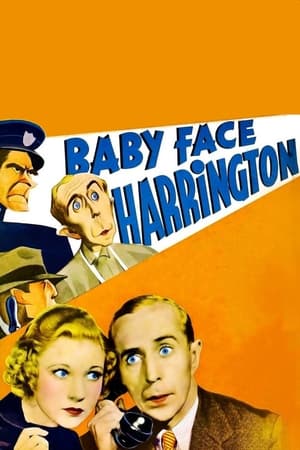
Spiritualist Blanche Tyler and her cab-driving boyfriend encounter a pair of serial kidnappers while trailing a missing heir in California.
Elite college graduates commit perfect financial crimes though loopholes in the law during the 1950s.
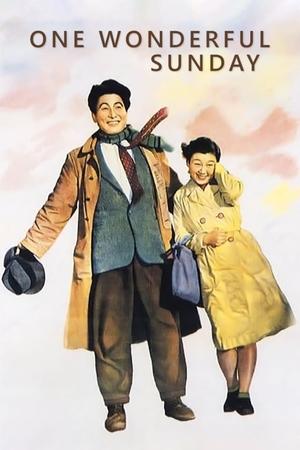
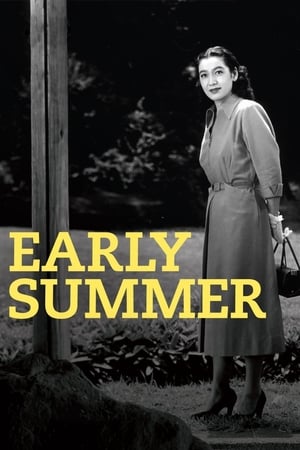
A 28-year-old single woman is pressured to marry.
Street-smart Dominic's armed robbery of a convenience store goes wrong when he crosses paths with hard-working Jay, a taxi driver with nothing left to lose. Mutual contempt soon turns into a kind of understanding, but not without some pain along the way.
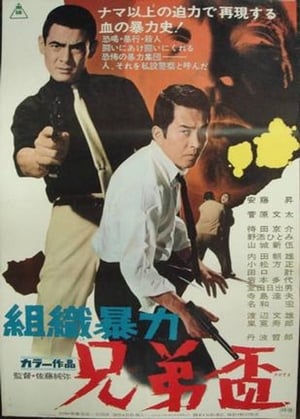
After the war, Kijima (Bunta Sugawara) returns to Tokyo where he meets Ôba (Noboru Andô), an Ex-Kamikaze pilot, and the two ruffians gather hooligans to join their group. In Ginza, the Togawa gang have taken over Sakurada's territory. After several fights Kijima and Ôba gain control of the territory by chasing out the notorious Togawa Group in the name of Sakurada. But Kijima is arrested for assaulting an American soldier. A few years pass. Kijima has served his prison term and the sears of war have been erased from Ginza. Ôba is now president of a company specializing in collection of bad debts, cheque frauds and everything that means money. People call their organization the “Private Police,” and Kijima begins to work for Ôba. Now the Takegami gang waits a chance to seize the Ginza territory.
In the black market, a war orphan is confronted with the struggles of people living in the immediate aftermath of WWII.
Two sisters find out the existence of their long-lost mother, but the younger cannot accept the fact that she was abandoned as a child.
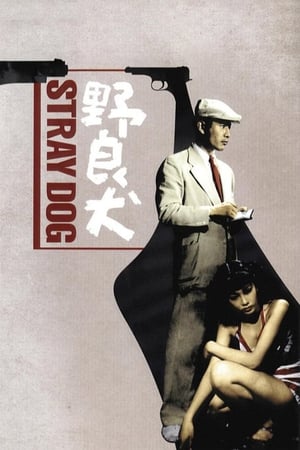
A bad day gets worse for young detective Murakami when a pickpocket steals his gun on a hot, crowded bus. Desperate to right the wrong, he goes undercover, scavenging Tokyo’s sweltering streets for the stray dog whose desperation has led him to a life of crime. With each step, cop and criminal’s lives become more intertwined and the investigation becomes an examination of Murakami’s own dark side.
A lighthearted take on director Yasujiro Ozu’s perennial theme of the challenges of intergenerational relationships, Good Morning tells the story of two young boys who stop speaking in protest after their parents refuse to buy a television set. Ozu weaves a wealth of subtle gags through a family portrait as rich as those of his dramatic films, mocking the foibles of the adult world through the eyes of his child protagonists. Shot in stunning color and set in a suburb of Tokyo where housewives gossip about the neighbors’ new washing machine and unemployed husbands look for work as door-to-door salesmen, this charming comedy refashions Ozu’s own silent classic I Was Born, But . . . to gently satirize consumerism in postwar Japan.
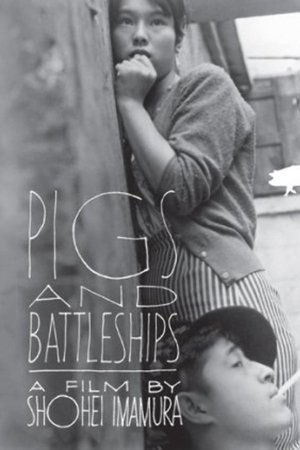
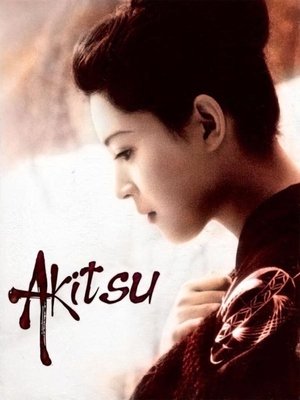
In the city of Yokosuka, Kinta and his lover Haruko, both involved with yakuza, brave the post-occupation period with a goal to be together.
It's 1983, and hopeless junkie Dick gets an unwelcome visit from the past - his seriously sleazy former cellmate, Bug, to be precise. Bug requires a crash course in the 80s: different music, different drugs, and machines in walls that dispense money. The latter development gives Dick an idea.
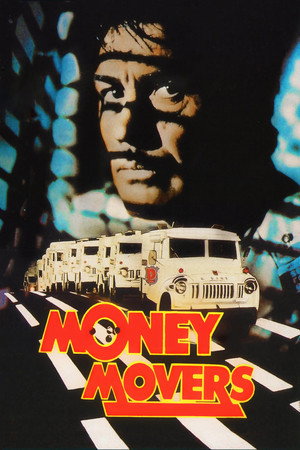
A group of crooks plan a heist to steal twenty million dollars from a Security Firm counting house.
A trio of teenage robbers set in motion a plan to rob a house in their neighbourhood, however all hell breaks when one of the robbers carries the wrong bag and gets the whole crew caught.
In postwar Tokyo, beloved writer-professor Hyakken Uchida retires and is buoyed through hardship by the fierce devotion of his former students, who honor him each year with a raucous “Not yet!” birthday toast. Told in warm, gently comic vignettes, Kurosawa’s farewell celebrates aging, friendship, and the sustaining ritual of teacher and pupils refusing to say goodbye.
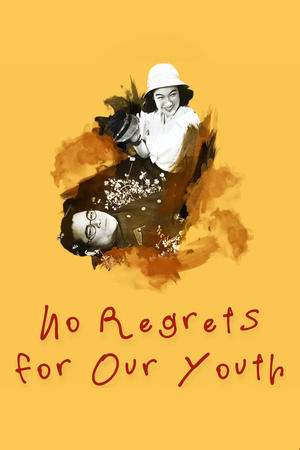
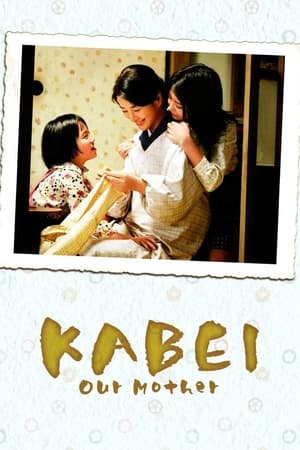
Set in Tokyo in 1940, the peaceful life of the Nogami Family suddenly changes when the father, Shigeru, is arrested and accused of being a Communist. His wife Kayo works frantically from morning to night to maintain the household and bring up her two daughters with the support of Shigeru's sister Hisako and Shigeru's ex-student Yamazaki, but her husband does not return. WWII breaks out and casts dark shadows on the entire country, but Kayo still tries to keep her cheerful determination, and sustain the family with her love. This is an emotional drama of a mother and an eternal message for peace.
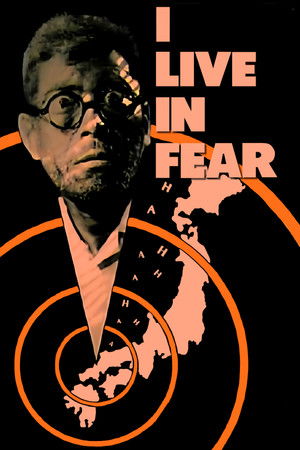
An aging foundry patriarch, gripped by terror of nuclear annihilation, tries to uproot his family to Brazil. When they petition to have him declared incompetent, a family-court counselor witnesses his obsession slide into ruin—and asks whether ignoring the atomic threat is any saner.
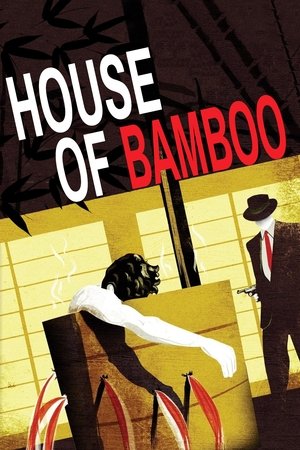
Eddie Kenner is given a special assignment by the Army to get the inside story on Sandy Dawson, a former GI who has formed a gang of fellow servicemen and Japanese locals.
A mouthy and feisty taxicab driver has hot tips for a green and inept cop set on solving a string of New York City bank robberies committed by a quartet of female Brazilian bank robbers.
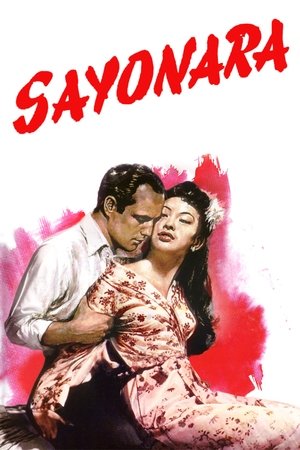
Air Force Major Lloyd Gruver is reassigned to a Japanese air base and is confronted with US racial prejudice against the Japanese people. The issue is compounded because a number of the soldiers become romantically involved with Japanese women, in defiance of US military policy. Ordinarily, a by-the-book officer, Gruver must take a position when a buddy of his, an enlisted man, Joe Kelly, falls in love with a Japanese woman, Katsumi, and marries her. Gruver risks his position by serving as best man at the wedding ceremony.
In the teeming black markets of postwar Japan, Shozo Hirono and his buddies find themselves in a new war between factious and ambitious yakuza.