A super 8 projection which references the essay “On the Jewish Question” by Karl Marx.
VIVA ÁGUA is a meditation on the philosophical work entitled ÁGUA VIVA written by Clarice Lispector in 1973. The film reflects on Lispector’s interior experimental monologue on the “instant-now” of time, the discomforts of language which are “beyond thought” and the harmonious dissonant reminders and remainders of that “sometime what is seen is ineffable.”
Food is a unifying force across our communities. In this short film, we share the stories of three Latinos - each from a different country but now living in the same American city - who come together to share flavors of their homeland, all of which include one central ingredient.
A silent film portraying winter across three continents.
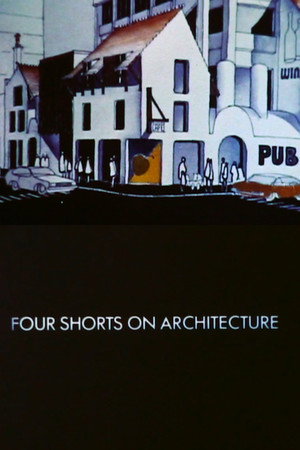
A visual essay on contemporary Kiwi architecture.
A look at Christmas customs in Germany, some of which date back to pre-Christian times and are still observed in various German regions.
As we run, the layers of responsibility and identity we have gathered in our lives, the father, mother, lawyer, teacher, Manchester United-supporter labels, all fall away, leaving us with the raw human being underneath. With nothing but our own two legs moving us, we begin to get a vague, tingling sense of who, or what, we really are.
Encouraged by the polychrome onirism of the Ñuine land, Desiderio (58), a farmer from the south of Mexico, offers an offering to the Tupa, the ancient spirit of the hills to whom his grandparents went to to ask for rain and harvest. At nightfall, as he rests at the foot of a campfire, that mysterious being guides him to the core of an ancestral memory.
Poème Électronique is an 8-minute piece of electronic music by composer Edgard Varèse, written for the Philips Pavilion at the 1958 Brussels World’s Fair. The Philips corporation commissioned Le Corbusier to design the pavilion, which was intended as a showcase of their engineering progress. The pavilion was shaped like a stomach, with a narrow entrance and exit on either side of a large central space. As the audience entered and exited the pavilion, the electronic composition Concret PH by Iannis Xenakis (who also acted as Le Corbusier's architectural assistant for the pavilion's design) was heard. Poème électronique was synchronized to a film of black and white photographs selected by Le Corbusier which touched on vague themes of human existence.
At only 19 years old, an Argentinian filmmaker emigrates to Miami looking for better opportunities. She soon finds herself falling for her very first boyfriend, someone she thought was good for her. That would quickly change, making her feel trapped in an abusive relationship that she would hide from everyone around her for years. In a detailed search for healing, she explores the events that led to the morning when he sexually assaulted her to understand that she is not to blame.
On June 14, 1977, the eve of the first democratic elections after Franco's regime, Llorenç Soler and his crew go out into the street and ask passers-by which party they are going to vote for.
what was the last dream you had?
Celebrating the splendor and grandeur of the great cinemas of the United States, built when movies were the acme of entertainment and the stories were larger than life, as were the venues designed to show them. The film also tracks the eventual decline of the palaces, through to today’s current preservation efforts. A tribute to America’s great art form and the great monuments created for audiences to enjoy them in.
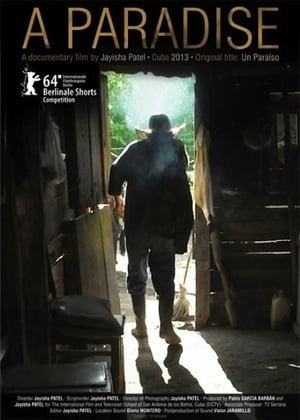
Damaris and Alberto live in an isolated village in the Sierra Maestra Mountains of Cuba. Four months ago, their 12 year old son committed suicide.
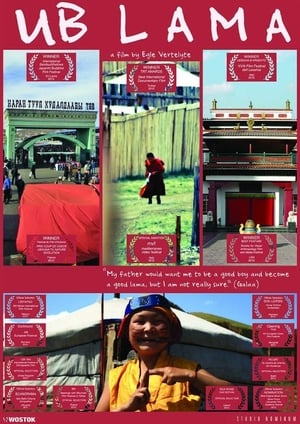
A twelve year old boy, living in a "yurt" but in love with hip hop and computer games is caught between modernity and tradition, aspirations and poverty and decides to become a Buddhist monk.
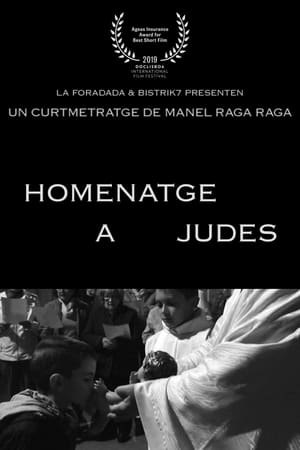
Manel has been kissed by all the old women in the village. From the passion of Christ to the olive trees in the Catalan countryside, a landscape of resistance that evokes a sour humour, and at the same time a silence from times gone by.
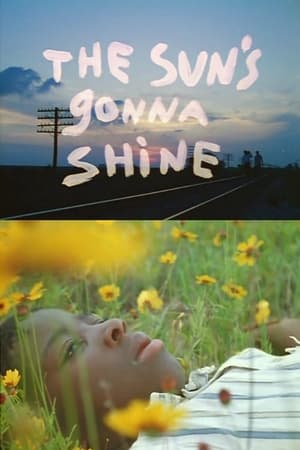
A lyrical recreation of Lightnin’ Hopkins’ decision at age eight to stop chopping cotton and start singing for a living. Preserved by the Academy Film Archive in 2013.
Dialogue-free short detailing the daily tasks of a man and his wife.
Stylized with dramatic interiors and a distorted frame rate, this early documentary miniature from Szulkin depicts six sequences of solitary, repetitious labor.
A many-faced view of humanity, of global man in all his forms and interests. Produced originally in 70 mm (with stereophonic sound) for showing at Man and His World, the Montréal fair that succeeded Expo 67, this film employs the multi-image technique. People of all places, origins, cultures, secular and religious, are here united and seen side by side, creating an impressive, inspiring and challenging portrait. The film's title appears in seven languages. Film without words.