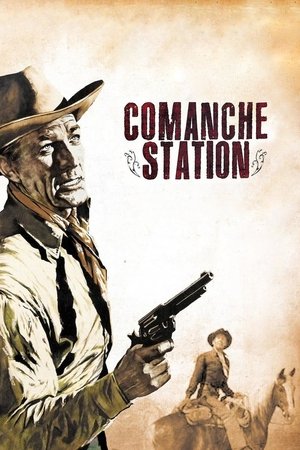
A white man trades with the Comanche for the release of a female stranger and the pair cross paths with three outlaws who have their eyes on the handsome reward for bringing her home and Comanche on the warpath.
Aging rancher and self-made man, George Washington McLintock is forced to deal with numerous personal and professional problems. Seemingly everyone wants a piece of his enormous farmstead, including high-ranking government men and nearby Native Americans. As McLintock tries to juggle his various adversaries, his wife—who left him two years previously—suddenly returns. But she isn't interested in George; she wants custody of their daughter.
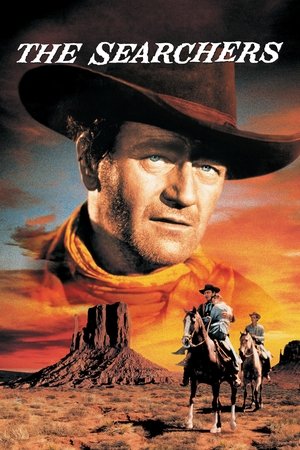
As a Civil War veteran spends years searching for a young niece captured by Indians, his motivation becomes increasingly questionable.
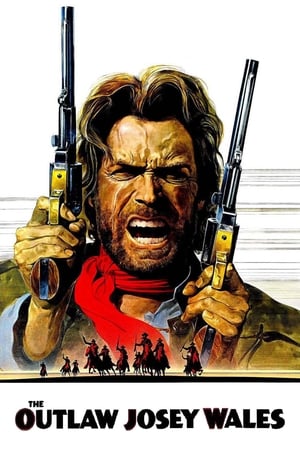
After avenging his family's brutal murder, Wales is pursued by a pack of soldiers. He prefers to travel alone, but ragtag outcasts are drawn to him - and Wales can't bring himself to leave them unprotected.
White settlers plan to defy the agreement between the government and the Comanche to mine for silver on Comanche lands, while scout Jim Bowie tries to keep the peace in the territory.
William Shatner plays two roles: cowboy Johnny Moon and his ruthless Indian twin brother, Notah. Notah likes peyote and gets the crazy idea that he's the Comanche messiah sent to lead the Comanche nation against the white man but more specifically the dusty desert town of Rio Hondo. Moon, estranged from his brother, decides to stop Notah either by words or by bullets.
The Texas Rangers chase down a gang of outlaws led by Butch Cavendish, but the gang ambushes the Rangers, seemingly killing them all. One survivor is found, however, by an American Indian named Tonto, who nurses him back to health. The Ranger, donning a mask and riding a white stallion named Silver, teams up with Tonto to bring the unscrupulous gang and others of that ilk to justice.
In this western two wagon masters are wrongfully accused of driving their wagon train in to a Comanche raid and are sentenced to hang. Now they must work hard and fast to prove their innocence.
The Daughter of Dawn is a silent Western, and one of the few films of the silent era to have an entirely Native American cast. It tells the story of a Kiowa woman and her lover, his feats of bravery, and their trials at the hands of a jealous rival and Comanche warriors. Completed in 1920, it was only shown a few times before being considered lost. Five reels of the movie were found in 2005, and restored by the Oklahoma Historical Society in 2012.
Common efforts of the U.S. government and the Comanche nation to negotiate a peace treaty are sabotaged by renegade Indians and by the short-sighted Indian Commissioner.
When Comanches go on the warpath, settlers take refuge in Ft. Eagle Rock commanded by Capt. Jackson. Undercover agent Cliff McPherson arrives at the undermanned fort to lend advice and support. He learns that the Comanches have been stirred up by local rancher Morton who wants to take control of the oil under the Indians' reservation.
When danger threatens her camp, the fierce and highly skilled Comanche warrior Naru sets out to protect her people. But the prey she stalks turns out to be a highly evolved alien predator with a technically advanced arsenal.
A rancher vows revenge on the five men responsible for his father's death.
Hot-shot gunslinger Henry confronts gang leader Randy in order to avenge his deceased father.
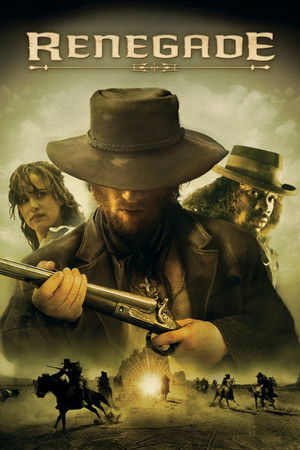
Three criminals- Nathaniel (Charlie Battaglia), Bernadette (Jenna Catto) and Cletus (Zachary Voss)- in the old west cross paths in the mountains while on the run from the law, and discover that they aren't as at odd with each other as they first thought. And just as things are looking up, the law catches up to them.
Brown arrives in the town of, yes, Gunsight, in the company of saddle pal Raymond Hatton. Like a new broom, Brown sweeps clean, going after the town's corrupt element.
Gold miner Edd Denmeade loves Lucy Watson, the sister of the official mining claim recorder. Denmeade suspects Watson of killing his father, who after a poker game was shot by a gambler "who shuffles with one hand." The real murderer, Sam Spralls, has convinced Watson that he killed Denmeade and threatens to expose him unless Watson assigns him all the gold claims. Spralls assembles a band of killers to jump the claims when Watson complies. Eventually, Denmeade learns the identity of the killer when he sees Spralls shuffle a deck of cards. He forms a vigilante party and rids the community of Spralls and his gang.
Jim Maitland loses his last cent gambling the Double Stamp saloon and gambling hall, and shortly after it closes, he robs the proprietors "Keno" Bates and "Wind River"are robbed, at gunpoint. After the surprise, they track Maitland down, and Keno shoots him dead on self defense. Keno goes through his belongings and finds a letter and a locket; the letter announces the arrival of the deceased's sister, and the locket has a cameo picture of Doris Maitland. Thus, Keno tells Wind River they must do a heap of lying. Meeting the girl at the stagecoach's arrival, Keeno feels responsible for the innocent and attractive Ms. Maitland; he tells her a white lie, that her brother was a good man, "killed in a mine accident," who had left her a cabin and money - and Keno turns his own cabin over to Doris. Keno and Doris began to fall in love. Anita, a dance-hall girl, aggressively tries to seduce Keno.
"Bat" Peters, reformed gunfighter turned prospector, travels to Chicago to collect on a business deal with a mine promoter who turns out to be crooked.
U.S Marshal Mike Donovan has dark memories of the death of his first love. He keeps peace between the Americans and the natives who had temporarily adopted and taken care of him. The evil actions of a white sorcerer lead him to confront the villain in the Sacred Mountains, and, through shamanic rituals conquer his fears and uncover a suppressed memory he would much rather deny.