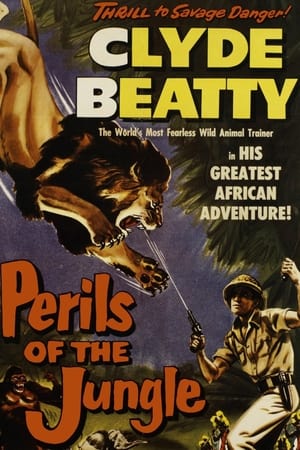
On an African safari with his friend Grant, Clyde Beatty plans to buy some black-maned Numbian lions from Jo Carter but her animals are wiped out by a fire. Despite interference by rival dealer Gorman, who hopes to ruin Jo, Beatty saves her business by helping her to capture an adult gorilla. (2nd story) When Grant is bitten by a tsetse fly and falls ill, Beatty heads for the nearest hospital through the territory of the dangerous Matabeles tribe. They are captured and condemned to death by Grubbs, a white man living with the tribe and stealing their gold. Using the Matabele Boy King as a shield, Beatty and Grant make an escape and Grubbs is forced to accompany them, leaving his loot behind.
Lake Tanganyika is an 'Ocean' in Africa. Millions of years ago it was colonized by a little fish called 'Cichlid'. Otters, crocodiles, cobras and cormorants all hunt the fish in clear water. How the Cichlid survived and evolved is an incredible story for, millions of years later, there are over 200 new species - all found only in Lake Tanganyika. Incredibly, they have evolved to look like coral reef fish. There are cichlid equivalents of tuna, snapper, gobies and goatfish. They have evolved bizarre methods of breeding with mouth-incubation, lekking and, unique amongst fish, there is even a cuckoo. Despite all their specialization over millions of years, if an opportunity presents itself, the little fish can behave like their unspecialized ancestor. In the climax of the film, they bang together to feast on a hatch of sardine fry. This is the story of how one little fish has conquered a lake.
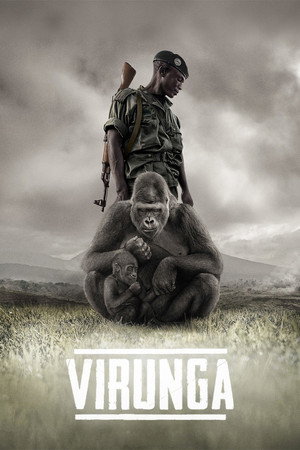
Virunga in the Democratic Republic of the Congo is Africa’s oldest national park, a UNESCO world heritage site, and a contested ground among insurgencies seeking to topple the government that see untold profits in the land. Among this ongoing power struggle, Virunga also happens to be the last natural habitat for the critically endangered mountain gorilla. The only thing standing in the way of the forces closing in around the gorillas: a handful of passionate park rangers and journalists fighting to secure the park’s borders and expose the corruption of its enemies. Filled with shocking footage, and anchored by the surprisingly deep and gentle characters of the gorillas themselves, Virunga is a galvanizing call to action around an ongoing political and environmental crisis in the Congo.
In the cobalt mining areas of Katanga in the Democratic Republic of the Congo (DRC), babies are being born with horrific birth defects. Scientists and doctors are finding increasing evidence of environmental pollution from industrial mining which, they believe, may be the cause of a range of malformations from cleft palate to some so serious the baby is stillborn. More than 60% of the world’s reserves of cobalt are in the DRC and this mineral is essential for the production of electric car batteries, which may be the key to reducing carbon emissions and to slowing climate change. In The Cost of Cobalt we meet the doctors treating the children affected and the scientists who are measuring the pollution. Cobalt may be part of the global solution to climate change, but is it right that Congo’s next generation pay the price with their health? Many are hoping that the more the world understands their plight, the more pressure will be put on the industry here to clean up its act.
Denis Mukwege, a Congolese doctor, pastor and future Nobel Peace Prize laureate, meets Guy Cadière, a Belgian surgeon and atheist. Despite their differences, they unite for a common purpose: to restore the bodies and dignity of thousands of women who have been used as weapons of war in the eastern Democratic Republic of Congo.
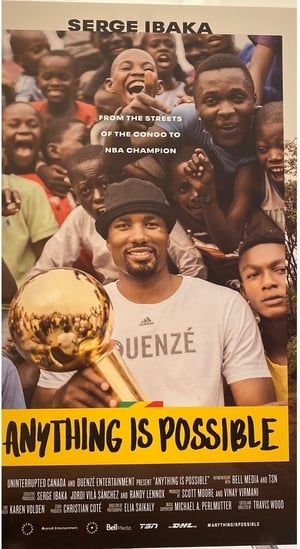
From a boy on the streets of the Congo to becoming an NBA champion, Serge Ibaka has risen to a level even he can hardly believe. Watch as he brings the Larry O'Brien Championship Trophy back to Africa for the first time, and re-visits all the places he used to go as a young man in this emotional journey.
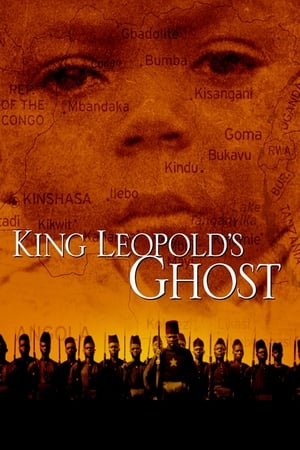
The modern history of the Congo, the heart of Africa, is a terrifying tale of appalling brutality: how the greedy and incredibly ruthless King Leopold II of Belgium (1935-1909) turned a vast country into his private estate (1885-1908) and how he plundered the land and raped the bodies and souls of its defenceless inhabitants, causing countless victims; and what exactly is the true impact of this often forgotten story of crime and horror today.
In June 2010, French actress Marion Cotillard spent a week in the heart of the tropical forests of the Democratic Republic of Congo with members of Greenpeace France and Greenpeace Africa. She delivers in video a strong testimony on the looting of Congolese forests which benefits a few industrial groups, often European.
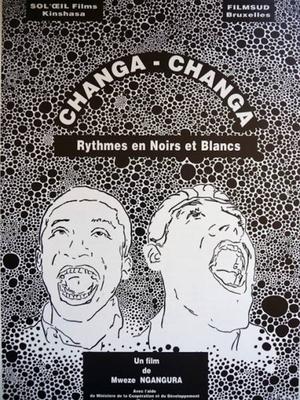
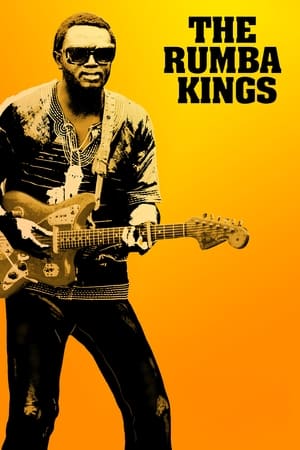
In the fifties, when the future Democratic Republic of Congo was still a Belgian colony, an entire generation of musicians fused traditional African tunes with Afro-Cuban music to create the electrifying Congolese rumba, a style that conquered the entire continent thanks to an infectious rhythm, captivating guitar sounds and smooth vocals.
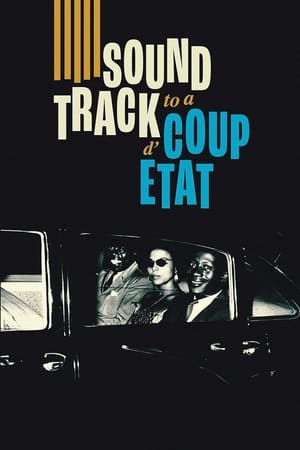
Jazz and decolonization are intertwined in a powerful narrative that recounts one of the tensest episodes of the Cold War.
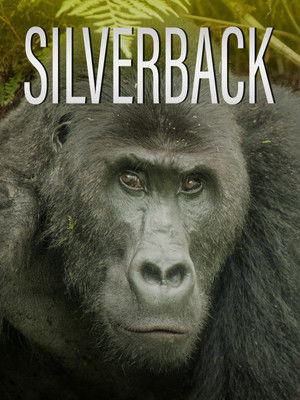
Feature-length documentary following award-winning wildlife cameraman Vianet Djenguet as he documents a gruelling but vital mission to ‘habituate’ a notoriously protective 450lb silverback, in a last-ditch effort to save the critically endangered eastern lowland gorillas from extinction.
Ivory Coast, the Democratic Republic of Congo, and Senegal – when it comes to love and sex, these African countries are caught between tradition and modernity.
Innerer Kongo
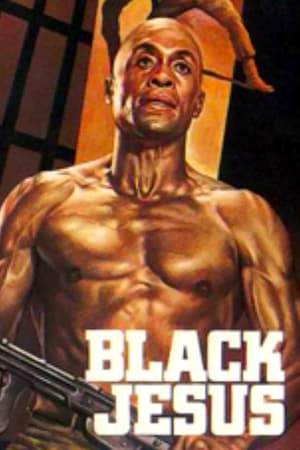
A thinly-disguised biography of African leader Patrice Lumumba, here called Lalubi. Lalubi, a Christ-like leader determined to save his people, by passive resistance, from the dictatorial regime propped up by European colonialists, is imprisoned and tortured, along with a thief who comes to a greater understanding through his contact with Lalubi.
Sexual violence against women is a very effective weapon in modern warfare: instills fear and spreads the seed of the victorious side, an outrageous method that is useful to exterminate the defeated side by other means. This use of women, both their bodies and their minds, as a battleground, was crucial for international criminal tribunals to begin to judge rape as a crime against humanity.
In Brussels, Belgium, the Royal Museum of Central Africa is undertaking a radical renovation, both physical and ethical, to show with sincerity, crudeness and open-mindedness the reality of the atrocities perpetrated against the inhabitants of the Belgian colonies in Africa, still haunted and traumatized by the ghost of King Leopold II of Belgium, a racist and genocidal tyrant.
Rumba Rules, New Genealogies offers an enjoyable, rough-edged glimpse into the music scene of Kinshasa, with impromptu shots drawing the viewer into jam sessions on plastic chairs, and the quest for perfection at the studio.
After numerous military operations, Major Müller can't find a way back into civilian life. Following his urge to communicate, the Major is looking for listeners and encouragement. He doesn't find either. Instead, the repeated monological memory of his own heroic deeds determines his present – with all the consequences. This 30-minute short film is based on the statements made by the mercenary Siegfried Müller in the documentary “The Laughing Man” (Walter Heynowski and Gerhard Scheumann, DEFA studio for newsreels and documentaries, 1966), as well as records from the German colonial period in Africa. An intensive contribution to the necessary public debate about the consequences of military operations.
Lao Yang is head of logistics of the group. He is responsible for the equipment, building materials and food (mainly chickens) to arrive in the isolated Chinese prefab camp. The Congolese government was supposed to deliver these things but so far the team hasn't received anything. With Eddy (a Congolese man who speaks Mandarin fluently) as an intermediate, Lao Yang is forced to leave the camp and deal with local Congolese entrepreneurs, because without the construction materials the road works will cease. What follows is an endless, harsh, but absurdly funny roller coaster of negotiations and misunderstandings, as Lao Yang learns about the Congolese way of making deals.
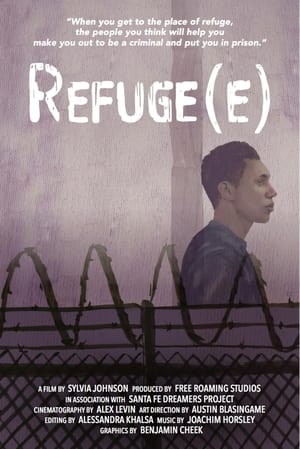
Refuge(e) traces the incredible journey of two refugees, Alpha and Zeferino. Each fled violent threats to their lives in their home countries and presented themselves at the US border asking for political asylum, only to be incarcerated in a for-profit prison for months on end without having committed any crime. Thousands more like them can't tell their stories.