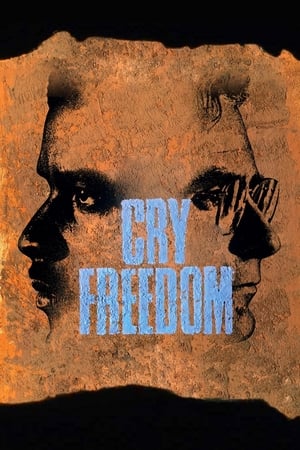
A dramatic story, based on actual events, about the friendship between two men struggling against apartheid in South Africa in the 1970s. Donald Woods is a white liberal journalist in South Africa who begins to follow the activities of Stephen Biko, a courageous and outspoken black anti-apartheid activist.
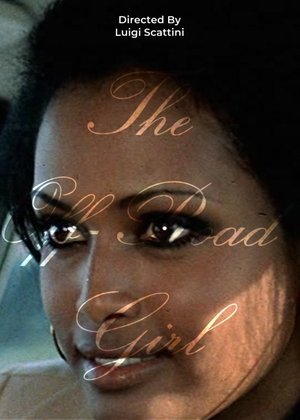
A successful advertising journalist, embarks on a journey to Egypt where he encounters Maryam, a striking Eritrean woman whose beauty is matched only by her enigmatic presence. What begins as a chance meeting gradually evolves into a layered emotional connection that challenges Giorgio’s worldview and highlights cultural and racial divides.
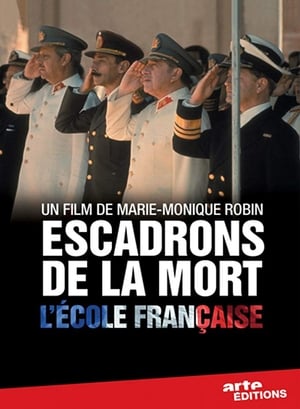
After the Battle of Algiers, France and its army exported, as true experts, anti-subversive methods to Latin America and the United States in the 1960s. After more than a year of investigation in Argentina , in Chile, Brazil, the United States and France, the director collected, sometimes under the cover of a hidden camera, recorded conversations, the exclusive testimonies of the main protagonists. From General Aussaresses to former Minister of the Armed Forces Pierre Messmer, including General Reynaldo Bignone (head of the military junta in Argentina from 1982 to 1984), General Albano Harguindéguy, General Manuel Contreras, and Generals John Johns and Carl Bernard, this investigation gives us a hidden reality of the country of Human Rights.
After returning home from the war, Vietnam veteran Julius Vrooder resides in a veteran's hospital, where he has been vaguely diagnosed as "psychiatrically impaired." Taking the news with an air of initially lighthearted defiance, Vrooder escapes and sets up camp under a highway, where he builds a paranoia-driven booby-trapped bunker for himself. Falling in love with not-so-bright nurse Zanni, Vrooder soon plans to elope with her to a remote Canadian outpost.
Two stories for the price of one: a video store clerk tries to get acquainted with a waitress; a man beats his pregnant wife, unaware that her brother is a violent racist.
Seemingly mild-mannered businessman Edmond Burke visits a fortuneteller and hears a remark that spurs him to leave his wife abruptly and seek what is missing from his life. Encounters with strangers and unsavory people weaken the barriers encompassing his long-suppressed rage, until Edmond explodes in violence.
Three 1960s California surfers fool around, drift apart and reunite years later to ride epic waves.
Follows the life of Native Canadian Saul Indian Horse as he survives residential school and life amongst the racism of the 1970s. A talented hockey player, Saul must find his own path as he battles stereotypes and alcoholism.
Filmed in the coal country of West Virginia, "Matewan" celebrates labor organizing in the context of a 1920s work stoppage. Union organizer, Joe Kenehan, a scab named "Few Clothes" Johnson and a sympathetic mayor and police chief heroically fight the power represented by a coal company and Matewan's vested interests so that justice and workers' rights need not take a back seat to squalid working conditions, exploitation and the bottom line.
Five Sydney-based youngsters navigate life, experience friendship, seek love, delve into their sexuality, and face the challenges of being a part of the LGBTQ+ community.
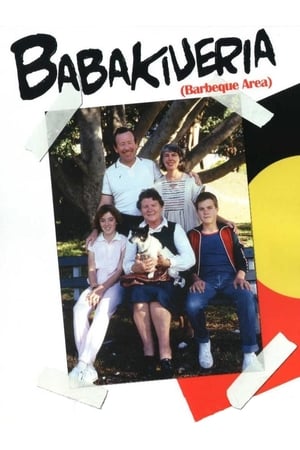
Imagine what it would be like if black settlers arrived to settle a continent inhabited by white natives? In 1788, the first white settlers arrived in Botany Bay to begin the process of white colonisation of Australia. But in Babakiueria, the roles are reversed in a delightful and light-hearted look at colonisation of a different kind. This satirical examination of black-white relations in Australia first screened on ABC TV in 1986 to widespread acclaim with both critics and audiences alike. This is the story of the fictitious land of Babakiueria, where white people are the minority and must obey black laws. Aboriginal actors Michelle Torres and Bob Maza (Heartland) and supported by a number of familiar faces from the time, including Cecily Polson (E-Street) and Tony Barry, who starred in major ABC-TV hits such as I Can Jump Puddles and his Penguin award-winning Scales of Justice. Babakiueria was awarded the United Nations Media Peace Prize in 1987.
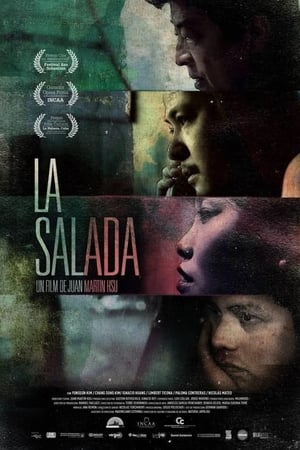
Three intertwining stories that take place in La Salada — the largest unregulated market in Buenos Aires: a Korean father prepares his daughter for an arranged marriage, a young Bolivian man searches for work, and a Taiwanese DVD seller tries to woo a young woman to be his girlfriend.
Shun and Nagisa first meet and fall in love during their first year of high school. While Shun is graduating from university, Nagisa tells him that he doesn't see a future for them. Despite Shun's strong feelings, they go their separate ways. Years later, Shun is now a store owner, living alone in a rural area. Out of the blue, Nagisa arrives with his six-year-old daughter, Sora. Spending time together, Shun realizes he still harbors feelings for Nagisa. Can Nagisa reconcile with his feelings for Shun, which have been there all along?
A young Iranian man is desperately trying to meet women who can secure his stay in Denmark. As time runs out, he falls in love and his past catches up with him. The film deals with themes of race, class, and the struggle for a better life.
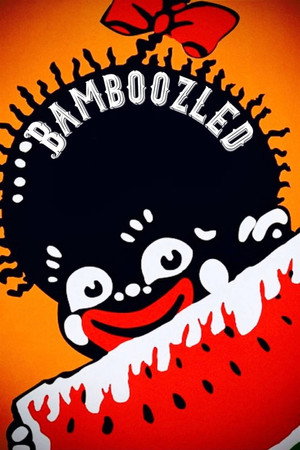
Frustrated when network brass reject his sitcom idea, producer Pierre Delacroix pitches the worst idea he can think of in an attempt to get fired: a 21st century minstrel show. The network not only airs it, but it becomes a smash hit.
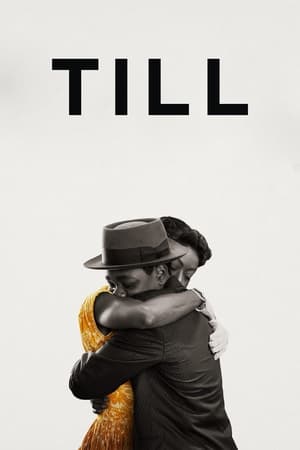
The true story of Mamie Till Mobley's relentless pursuit of justice for her 14-year-old son, Emmett Till, who, in 1955, was lynched while visiting his cousins in Mississippi.
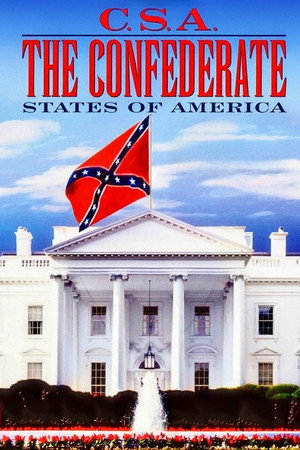
Through the eyes of a British "documentary", this film takes a satirically humorous, and sometimes frightening, look at the history of an America where the South won the Civil War.
After the death of his mother, a lonely farmer in rural Switzerland considers finally starting a family of his own. Eventually he pays for a bride from Thailand. The couple don't share a language, but being to know each other. However the village neighbors are suspicious of foreigners.
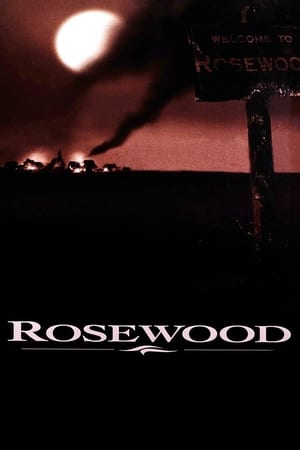
Spurred by a white woman's lie, vigilantes destroy a black Florida town and slay inhabitants in 1923.
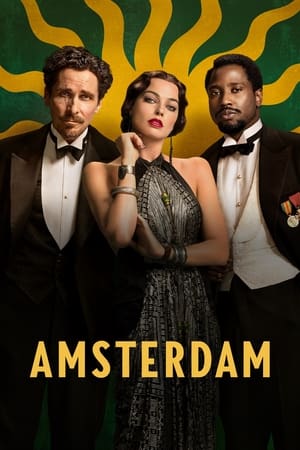
In the 1930s, three friends—a doctor, a nurse, and an attorney—witness a murder, become suspects themselves and uncover one of the most outrageous plots in American history.