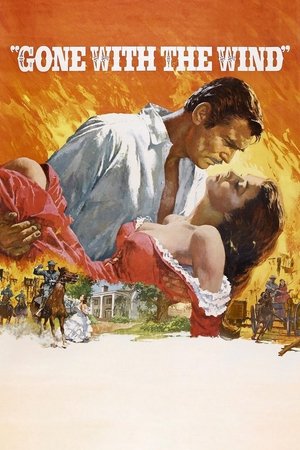
The spoiled daughter of a Georgia plantation owner conducts a tumultuous romance with a cynical profiteer during the American Civil War and Reconstruction Era.
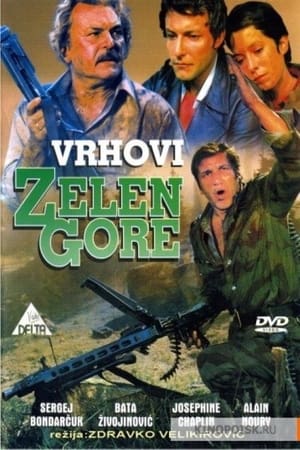
During the Battle of Sutjeska, partisan troops must endure 24 hours of big and heavy attacks on German units Ljubino grave, to the main Partisan units, with the wounded and the Supreme Headquarters, pulled out the ring that is tightened around them.
Communist party commissar Ivica is sent to the lowland village to monitor the local partisan squad. Despite their disagreements he befriends their leader Dikan and they plan to evacuate the chief headquarters. Dikan also sees the opportunity to have his personal revenge on an enemy officer, responsible for death of one of his men.
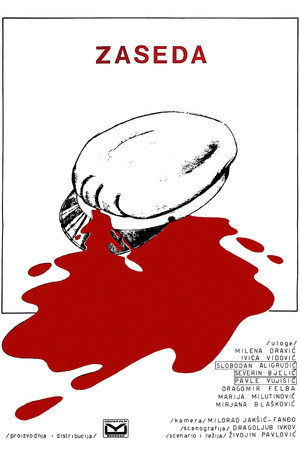
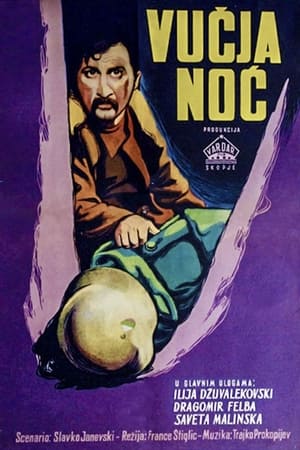
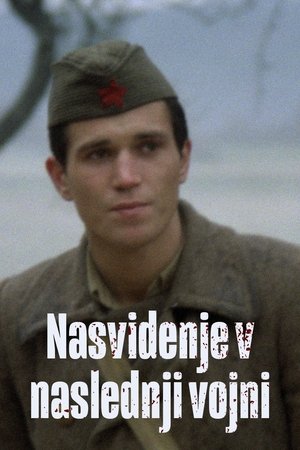
A partisan battalion falls into enemy trap more than once, which makes them suspect it's about treason. Their commissar and commander move the unit in a remote settlement in order to discover the enemy agent. This draws a lot of suspicion and distrust within the unit, and finally it was the head of the battalion who was charged as guilty, and executed. However, was he the real intruder? The commissar and the commander take the battalion to a new battle without definitive knowledge of the whole present situation.
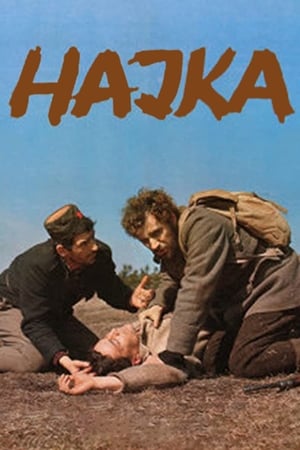
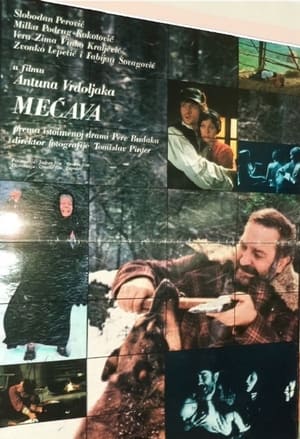
One class of school children from a small village make the trip to Zagreb. One of the boys gets sick and the class is forced to go home. During their journey the train gets stuck in a snowstorm.
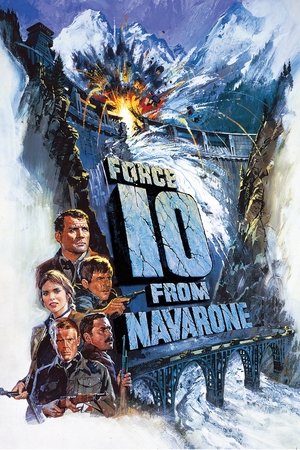
A renegade team of World War II soldiers. This time, one of the 12 is a woman and, with a Nazi spy within their midst, they're up against German wartime geniuses out to establish a Fourth Reich.
A partisan battalion who was surrounded from all sides brings up decision to enter the city, so that the fighters could rest and recover. Due to fear of one of the partisans, the enemy discovers their plan, but fails to sabotage it.
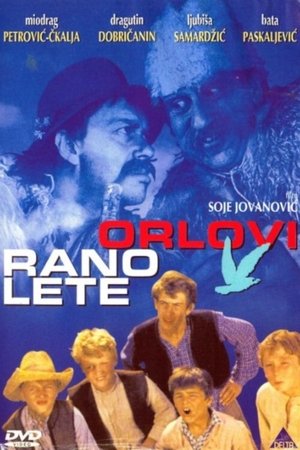
The movie is based on the true story about a group of children, barely teenagers, who joined Yugoslav Partizans after losing their families in WW2. At first, Partizans want to get rid of them, but later they are joining combat ranks. Among them, Bosko Buha would become a legend because of his skill in destroying enemy bunkers.
"Andremo in città" (We'll Go to the City) is a 1966 Italian drama film directed by Nelo Risi. It is based on the novel of the same name by Edith Bruck, Risi's wife. Bruck, a Hungarian concentration camp-survivor, settled in Italy after the Second World War and wrote about her experiences in autobiographical and fictional formats.[1] The film stars Geraldine Chaplin and Nino Castelnuovo.
After the war, a Yugoslav army captain, Vladimir, is in charge of suppressing armed supporters of the former king's regime, led by major Momir. After Vladimir's best friend is killed, he joins the rebels pretending to be one of the king's supporters. However, one of Momir's supporters, a man who harbors rebels, has an attractive daughter who is engaged to marry Momir. She knows that Vladimir is an officer of the Yugoslav army, because she has seen him wearing a Yugoslav uniform. Vladimir fears that she might betray him.
The leftover disbanded partisan battalion draws Chetniks' attention, who push their plans of attacking the partisan headquarters aside and start hunting them instead.
Led by British officers, partisans on Crete plan to kidnap the island's German commander and smuggle him to Cairo to embarrass the occupiers.
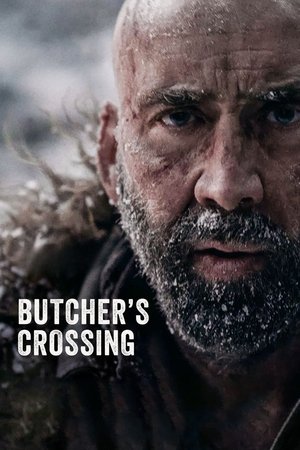
Refusing to go to school, anxious 16-year-old Tori is driven by her mother to her grandfather's rustic cabin in Eastern Manitoba on the remote American-Canadian border. As Tori struggles to adapt to the woodsman ways of her French Canadian grandfather, she ultimately must embrace the outdoors if she is to survive the deadly game of cat and mouse she is thrust into.
During a freezing WWII winter, two Soviet partisans on a mission to gather food contend with the temperature, the occupying Germans, and their own psyches.
Set during the Nazi occupation of Poland, the story follows Michał, who witnesses the murder of his mother, wife and child and then is hurled into a life that literally is not his own; a surreal world littered with trapdoors, doppelgängers and wormholes.
A young doctor, former partisan leader - is he a hero, or a murderer? His wife - a victim, or a minion of a totalitarian regime? And his lover - a political careerist, or a naive single mother betrayed by fate? The dramatic fates of these antiheroes from the era of rise of communism are stories of violence and resistance, weakness and courage, much like the ones that take place today.
Grandma's recount of her journey to school, but she was never alone in the forest.
World War II, 1943. Mallory and Miller, the heroes who destroyed the guns of Navarone, are sent to Yugoslavia in search of a ghost from the past.
August 1943, Europe. The tentacles of the German octopus have begun to recoil. As the Nazis retreat, their concern focuses on the supply of oil from the refineries of Romania. Without the flow of "black gold", Germany's doom is sealed. Armadas of American bombers from bases in North Africa have begun to assault Pioesti - and there is another threat from the Partisans across the border of Yugoslavia. Against the tableau of spectacular events, the dramatic story of WILD WIND unfolds.
Miracle at St. Anna chronicles the story of four American soldiers who are members of the all-black 92nd "Buffalo Soldier" Division stationed in Tuscany, Italy during World War II.