The Belgian detective Hercule Poirot investigates a series of murders in London in which the victims are killed according to their initials.
Быстрее чем кролики (спектакль)
Cinephile slackers Franz and Arthur spend their days mimicking the antiheroes of Hollywood noirs and Westerns while pursuing the lovely Odile. The misfit trio upends convention at every turn, be it through choreographed dances in cafés or frolicsome romps through the Louvre. Eventually, their romantic view of outlaws pushes them to plan their own heist, but their inexperience may send them out in a blaze of glory -- which could be just what they want.
The film consists of a series of tightly interlinked vignettes, the most sustained of which details the story of a man and a woman who are passionately in love. Their attempts to consummate their passion are constantly thwarted, by their families, by the Church and bourgeois society in general.
The whole village mourns when General O'Leary, owner of a hunting estate in South Ireland, is killed in an accident. His nephew, Jasper O'Leary, takes over the state and soon has aroused the displeasure of all, with the exception of Serena McGluskey, as much a schemer as he is a cad. Led by Thady O'Heggarty, the villagers plot to drive Jasper away. They use the occasion of "O'Leary Night", when the ghost of the first O'Leary walks the halls, to create general chaos.
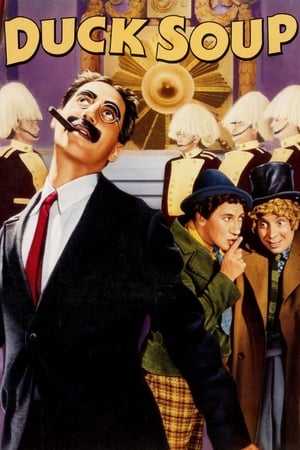
Harpo played the hero, a detective named Watson who "made his entrance in a high hat, sliding down a coal chute into the basement". Groucho played an "old movie" villain, who "sported a long moustache and was clad in black", while Chico was probably his "chuckling [Italian] henchman". Zeppo portrayed a playboy who was the owner of a nightclub in which most of the action took place, including "a cabaret, [which allowed] the inclusion of a dance number". The final shot showed Groucho "in ball and chain, trudging slowly off into the gloaming". Harpo, in a rare moment of romantic glory, gets the girl in the end. This film is lost.
National Theatre Live’s 2010 broadcast of Alan Bennett’s acclaimed play The Habit of Art, with Richard Griffiths, Alex Jennings, and Frances de la Tour, returns to cinemas as part of the National Theatre's 50th anniversary celebrations. Benjamin Britten, sailing uncomfortably close to the wind with his new opera, Death in Venice, seeks advice from his former collaborator and friend, W H Auden. During this imagined meeting, their first for 25 years, they are observed and interrupted by, amongst others, their future biographer and a young man from the local bus station. Alan Bennett’s play is as much about the theatre as it is about poetry or music. It looks at the unsettling desires of two difficult men, and at the ethics of biography. It reflects on growing old, on creativity and inspiration, and on persisting when all passion’s spent: ultimately, on the habit of art. One of the first five episodes also released on terrestrial TV on a 2009 BBC TV series titled "National Theatre Live".
Through an ancient spell, a boy changes into a sheepdog and back again. It seems to happen at inopportune times and the spell can only be broken by an act of bravery....
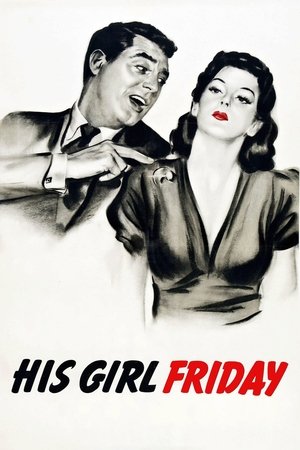
A divorced couple try to pretend they are still happily married in order to get $100,000 from the woman's divorce-disapproving aunt.
Based on a true story. The name of the real ship, that sunk Feb 5 1941 - during WWII - was S/S Politician. Having left Liverpool two days earlier, heading for Jamaica, it sank outside Eriskay, The Outer Hebrides, Scotland, in bad weather, containing 250,000 bottles of whisky. The locals gathered as many bottles as they could, before the proper authorities arrived, and even today, bottles are found in the sand or in the sea every other year.
Successful movie director John L. Sullivan, convinced he won't be able to film his ambitious masterpiece until he has suffered, dons a hobo disguise and sets off on a journey, aiming to "know trouble" first-hand. When all he finds is a train ride back to Hollywood and a beautiful blonde companion, he redoubles his efforts, managing to land himself in more trouble than he bargained for when he loses his memory and ends up a prisoner on a chain gang.
Salwa who enters an institution because of a crime she committed, falls in love with her music teacher Waheed
Ham is interested in a girl named Marie and wants to impress her. First he buys a car and then he takes her out to a swanky nightclub. During the course of this disastrous date Ham realizes that Marie isn't the nice girl he thought she was: she only went out with him to make her real boyfriend jealous. The boyfriend is a dancer at the club, and when she sees him kissing his dance partner she becomes enraged and smashes up the place, while poor Ham is stuck with the bill.
A widower refuses to let his three daughters marry in order to avoid paying settlements, so they'll just have to outsmart him.
George Bird is a salesman of agricultural machinery who finds out that he hasn't long to live. On his doctor's advice, he goes to an exclusive seaside resort to spend his savings on one last holiday.
الدكتور فرحات
٠٥٠٠١
١٠٠ ألف جنيه
شالوم الترجمان
The play is distinguished and deals with several major issues ... It starts when Sa'id Saleh works in several exhausting jobs and in the end he does not benefit from cheating and harassment. He sees the beggars and the large sums of money that he thinks of this work and brings together several people to be with him and be the leader of the Shehata. It begins with a series of comic paradoxes that address important issues ...