BBC's Simon Dring's film focuses on the EPLF, Eritrean People's Liberation Front, which is battling Ethiopian forces. The film includes interviews with Ali Sayed, EPLF head of foreign missions, and Mohammed Ramadan Nour, General Secretary.
During the Second World War, a small group of students at Munich University begin to question the decisions and sanity of Germany's Nazi government. The students form a resistance cell which they name the "White Rose" after a newsletter that is secretly distributed to the student body. At first small in numbers and fearful of discovery, the White Rose begins to gain massive support after a Nazi Gauleiter nearly incites a student riot after a provokative speech. At this point, the matter is taken over by the German Gestapo, who pledge to hunt down and destroy the members of the White Rose.
Inside the Kit Kat Club of 1931 Berlin, starry-eyed singer Sally Bowles and an impish emcee sound the clarion call to decadent fun, while outside a certain political party grows into a brutal force.
Brothers Franz and Erich Sass grew up poor. Together with his brother Franz, Erich specializes in cracking safes. Erich spends the money with his hands full. In the meantime, the police have also become aware of the brothers. Pursued by Detective Fabich, they get deeper and deeper into criminal circles. A man called Adolf demands that the Sass brothers work for him. He blackmails them and has their father beaten to death. The brothers then agree to work together. However, Adolf plans to have them killed after the coup. The two brothers manage to escape; they are also able to flee from the police, who catch them while they are still breaking into the bank.
After the French defeat of summer 1940, Addi Ba, a young Senegalese rifleman escapes and hides in the Vosges. Aided by some villagers, he gets false documents that allow him to live openly.
The retelling of June 6, 1944, from the perspectives of the Germans, US, British, Canadians, and the Free French. Marshall Erwin Rommel, touring the defenses being established as part of the Reich's Atlantic Wall, notes to his officers that when the Allied invasion comes they must be stopped on the beach. "For the Allies as well as the Germans, it will be the longest day"
Comedian Harmonists tells the story of a famous, German male sextet, five vocals and piano, the "Comedian Harmonists", from the day they meet first in 1927 to the day in 1934, when they become banned by the upcoming Nazis, because three of them are Jewish.
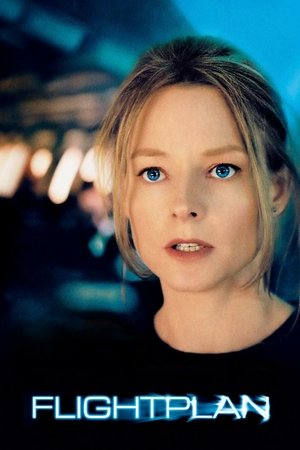
Flying at 40,000 feet in a state-of-the art aircraft that she helped design, Kyle Pratt's 6-year-old daughter Julia vanishes without a trace. Or did she? No one on the plane believes Julia was ever onboard. And now Kyle, desperate and alone, can only count on her own wits to unravel the mystery and save her daughter.
A young Polish-born, Berlin-based lawyer working on refugee cases is unexpectedly reunited with his father, who is his only tie left with his homeland.
Max Manus is a Norwegian 2008 biographic war film based on the real events of the life of resistance fighter Max Manus (1914–96), after his contribution in the Winter War against the Soviet Union. The story follows Manus through the outbreak of World War II in Norway until peacetime in 1945.
As celebrated conductor Lydia Tár starts rehearsals for a career-defining symphony, the consequences of her past choices begin to echo in the present.
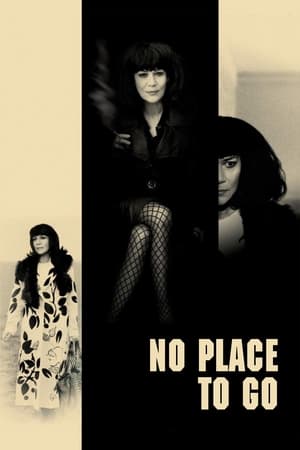
Drei Frauen
Berlin in the 1960s. Olaf and Horst are two young metalworkers, who provoke their older colleagues with critiques of the antiquated equipment and lack of materials... not to mention their love of leather jackets and motorbikes. Olaf and Horst begin to be targeted in the house newsletter, and the generational conflict escalates.
Mostly fictional episodes in the life of famous german social-critical painter Heinrich Zille.
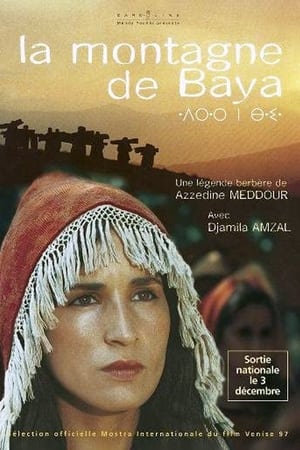
Set in the 1800s among the Berbers of North Africa, this 1997 Algerian feature concerns a noble widow who receives a customary purse of gold coins from the enemy tribe that murdered her husband; the gift puts her in conflict with her kinsmen, who want the money to buy back land taken by the enemy in cahoots with French colonials.
There are breakpoints in the history, the result of a single event may change the whole course. In 1909, an assassination attempt of a Japanese governor fails. Now, in 2009, Korea is just another state of Japan's Empire & Seoul has become a major city. A Korean resistance group fights for liberty, independence & the restoration of true history. Two cops, Japanese & Korean, investigate the group.
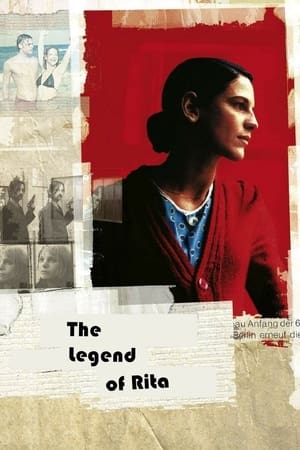
Berlin Kreuzberg at the beginning of the 80s. Lawyer Hanna, daughter of a good family and working as a scientific social worker, gets caught between two sides. Her conservative fiancé Konrad wants to avenge the murder of his friend Theo on the Turks, but she loves a young Turk and wants to help the foreigners with their problems. There are also gray wolves and right-wing radicals, there is xenophobia and pressure creates counter-pressure - rebellion, bomb attacks and prison riots are the order of the day. An almost predictable catastrophe is on the horizon.
Jeta is a student who is a member of the illegals and tries to create a group of antifascist girls in her school.
General Candy, who's overseeing an English squad in 1943, is a veteran leader who doesn't have the respect of the men he's training and is considered out-of-touch with what's needed to win the war. But it wasn't always this way. Flashing back to his early career in the Boer War and World War I, we see a dashing young officer whose life has been shaped by three different women, and by a lasting friendship with a German soldier.
During World War II, an Italian agent tries to infiltrate the Albanian guerrilla units under the identity of 'engineer Tosti'.