The first of a documentary serie about rural France.
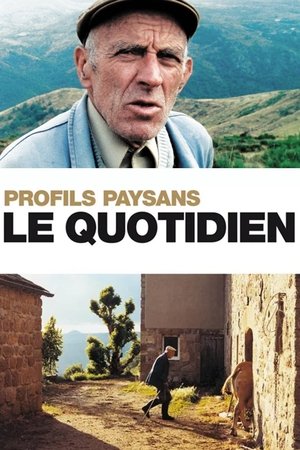
Second documentary of a trilogy produced on the long term (together with Profils paysans: l'approche (2001) and Profils paysans: La vie moderne (2008)), showing the simple lives of farmers in contemporary Southern France.
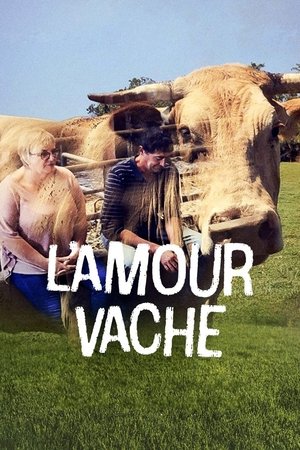
L'Amour vache
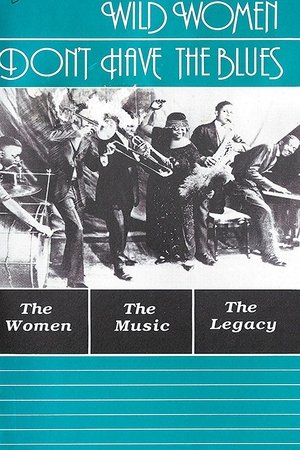
Recaptures the lives and times of Ma Rainey, Bessie Smith, Ida Cox, Alberta Hunter, Ethel Waters, and the other legendary women who made blues music a vital part of American culture. The film brings together for the first time dozens of rare, classic renditions of the early blues.
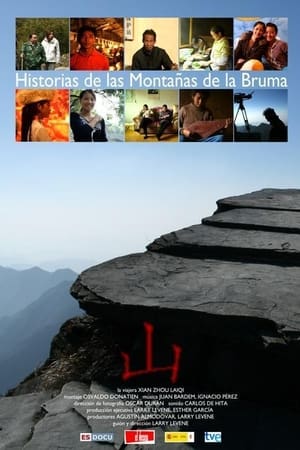
Historias de las montañas de la bruma
Unustatud rahvad (1970 - 1989) by Estonian composer Veljo Tormas is based upon six Balto-Finnic peoples traditions. Collegium Musicale choir brought the songs to different sides of Baltic coasts to liven current citizens connections for fleeting past and strengthen their identity.
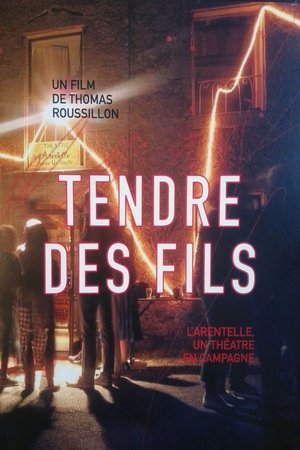
Tendre Des Fils
This documentary film follows farmers and activists fighting together to stop the Indiana Enterprise Center, a mega-sized industrial park planned west of South Bend, Indiana
Renaixem
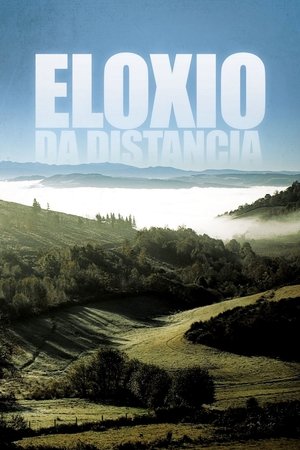
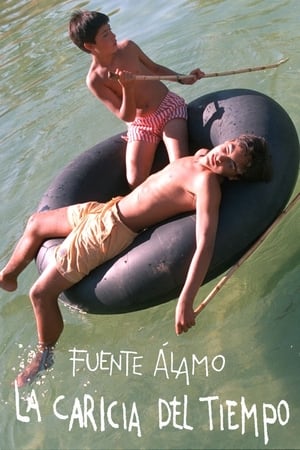
Province of Lugo, Galicia, Spain. A year in the life of A Fonsagrada, a rural region whose inhabitants live both near and far from urban civilization; a praise of the distance that crosses the four seasons of the year, whose inevitable passage transforms both the natural environment and the existence of people, a simple, dignified and peaceful existence.
The camera falls in love with the characters, the landscape and the objects and is installed with the tenderness that inoculates the life of the town itself. The camera is the thousand eyes of the gaze of a rigorous anthropologist, although in love, multiplying so as not to lose detail in 24 hours of people, activity, games, intimacy ... Recording every sound that pierces the oceanic silence of the countryside open.And night comes. And the gazpacho. And the party. You see.
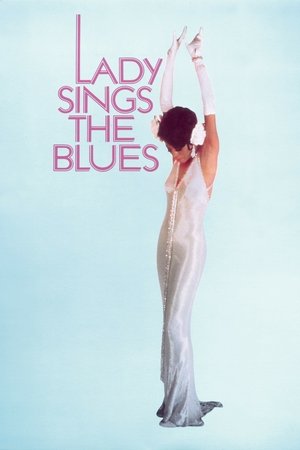
Chronicles the rise and fall of legendary blues singer Billie Holiday, beginning with her traumatic youth. The story depicts her early attempts at a singing career and her eventual rise to stardom, as well as her difficult relationship with Louis McKay, her boyfriend and manager. Casting a shadow over even Holiday's brightest moments is the vocalist's severe drug addiction, which threatens to end both her career and her life.
Taken from the European tours organised for American blues musicians between 1962 and 1969, this release features performances by several popular blues artists, including: Big Mama Thornton, Roosevelt Sykes, Buddy Guy, Dr. Isaiah Ross, Big Joe Turner, Skip James, Bukka White, Son House, Hound Dog Taylor and Little Walter, Koko Taylor and Little Walter, Sonny Terry and Brownie McGhee, Helen Humes, Earl Hooker, and Muddy Waters.
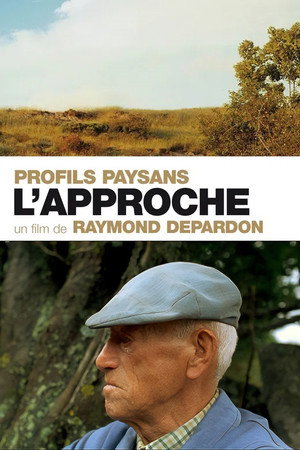
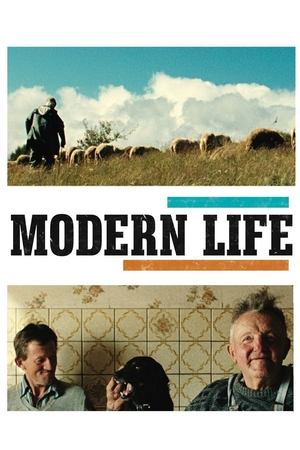
For ten years, Raymond Depardon has followed the lives of farmer living in the mountain ranges. He allows us to enter their farms with astounding naturalness. This moving film speaks, with great serenity, of our roots and of the future of the people who work on the land. This the last part of Depardon's triptych "Profils paysans" about what it is like to be a farmer today in an isolated highland area in France. "La vie moderne" examines what has become of the persons he has followed for ten years, while featuring younger people who try to farm or raise cattle or poultry, come hell or high water.
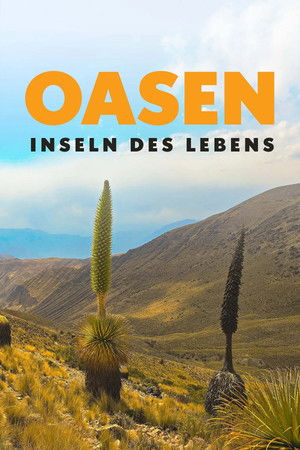
Oases are more than fairytale places in the desert sand. Amidst the stony heights of the Andes, the endless expanse of the Pacific, or the hectic concrete sausages of Mumbai, islands of life flourish. In breathtaking shots, the documentary explores the phenomenon of oases – and the magical places in the Saharan sand are of course included.
The Shipibo-Konibo people of Peruvian Amazon decorate their pottery, jewelry, textiles, and body art with complex geometric patterns called kené. These patterns also have corresponding songs, called icaros, which are integral to the Shipibo way of life. This documentary explores these unique art forms, and one Shipibo family's efforts to safeguard the tradition.
The follow-up film to “Barstow, California” takes us to the mountains of Miyama, a remote forest and tourist area north of Kyoto. Uwe Walter, a shakuhachi player from Germany, lives there with his wife Mitsuyo for 30 years. Together with the villagers he prepares the annual Gion Festival. On the eve of the festival, the village representatives tell him that his self-built studio is to be demolished. This brings back memories for him of earlier times and his first steps as a Nō actor. In the manner of a fresco, the film interweaves rural depictions of everyday life with the story of its German protagonist. In the village community with its togetherness of generations, Uwe shares life with his neighbours, with farmers, hunters, woodsmen, poultry farmers and anglers, tills his kitchen garden, and like other tradition-conscious villagers, he also grows his rice. The film shows them in a harsh mountain landscape between the rainy season and the first snow.
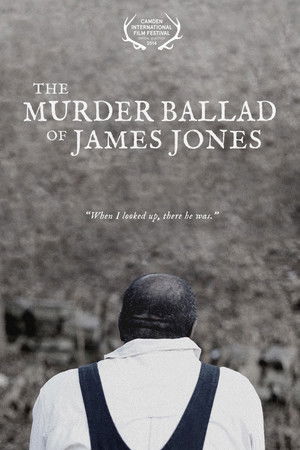
In 1993, Chicago bluesman and Howlin' Wolf protégé James "Tail Dragger" Jones murdered fellow musician "Boston Blackie" during an on-stage performance. Twenty years later, James engraved his confession onto an acetate record.
Blues Story presents an impressionistic history of one of the most lasting art forms America has ever produced - as told for the first time through the eyes of the artists who lived it. Combining exclusive interview and performance footage with vintage clips and the music of many Blues legends long gone, the history of this richly felt music is illuminated - from its African roots to its American urban expression - along with its profound place in our cultural heritage. The result is a rare, first-hand glimpse into the lives of these vanishing artists, and a moving, insightful and informative look into a music that continues to be loved by millions throughout the world.
A poetic journey through the paths and places of old Castile that were traveled and visited by the melancholic knight Don Quixote of La Mancha and his judicious squire Sancho Panza, the immortal characters of Miguel de Cervantes, which offers a candid depiction of rural life in Spain in the early 1930s and illustrates the first sentence of the first article of the Spanish Constitution of 1931, which proclaims that Spain is a democratic republic of workers of all kind.