The Bangladesh cultural scene is dynamic, creative and on the up. With fashion designer Bibi Russell, art patron Nadia Samdani, the Britto Arts Trust and photographers Shahidul Alam and Munem Wasif.
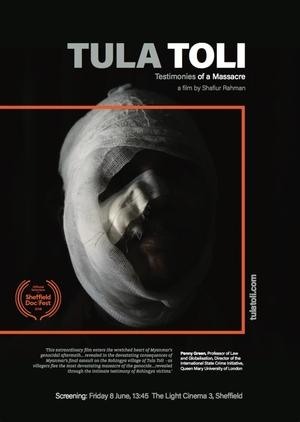
Filmed along the Myanmar-Bangladesh border and within Rohingya refugee camps, Shafiur Rahman’s documentary on the 2017 Tula Toli massacre exposes chilling interviews and evidence of Myanmar military’s premeditated atrocities. The film documents mass killings, sexual violence, and the systematic destruction of the village of Tula Toli, highlighting a humanitarian crisis that forced over half a million people—many of them children—to flee in an exodus of historic scale.
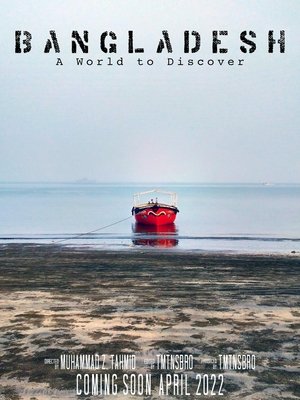
From the poor to the richest Bangladesh has it all. Let us discover how people are living in Bangladesh. First, in our journey, we head to the heart of the country Dhaka, Bangladesh, and talk to the founders of some very successful companies. Then let's move on the range of families that lives on less than $5 per month. Let's head to the lowest part of Bangladesh Cox's Bazar. People who live there are one of the toughest living people alive. Well, Bangladesh has all types of people so let's discover them and the history and culture that is involved.
This film investigates one of the world’s biggest and most audacious cyberheists, where hackers managed to compromise two of the most respected names in international banking, the SWIFT messaging system and the New York Federal Reserve, taking $81 million in the process. Follow the trail of the stolen money from Dhaka, to Manila and New York, and discover who the hackers were and how they did it.
The Hoolock Gibbons of Bangladesh have been brought to the brink of extinction by the relentless destruction of their forested habitats throughout the country, even in the most highly protected forest reserves. This species used to number in the tens of thousands, but are now down to the last 200 or so.
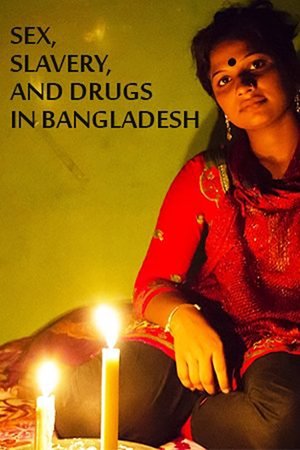
In Bangkok, Thailand, women punch a clock and wait for clients in a brightly lit glass box; in the red-light district of Faridpur, Bangladesh, a madam haggles over the price of a teenage girl; and in the border town of Reynosa, Mexico, crack-addicted women pray to a deity named Lady Death.
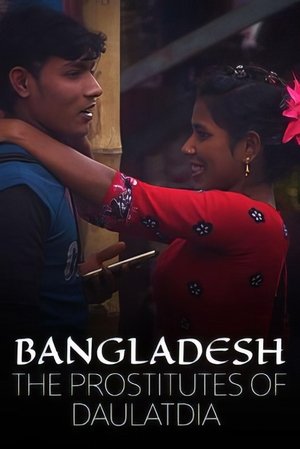
Daulatdia is an entire village in Bangladesh dedicated to prostitution. Every day, 1,600 trafficked, enslaved and abandoned women and girls sell themselves for £2 a time. In the midst of the trade live 300 children, many born in the village. Some will be groomed to be the future of the business like their mothers and grandmothers. With education programmes and support provided by Save The Children, a few may find their way out.
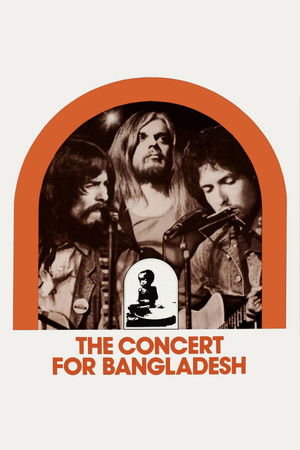
A film about the first benefit rock concert when major musicians performed to raise relief funds for the poor of Bangladesh. The Concert for Bangladesh was a pair of benefit concerts organised by former Beatles guitarist George Harrison and Indian sitar player Ravi Shankar. The shows were held at 2:30 and 8:00 pm on Sunday, 1 August 1971, at Madison Square Garden in New York City, to raise international awareness of, and fund relief for refugees from East Pakistan, following the Bangladesh Liberation War-related genocide.
Bangladesh: The Prostitutes of Daulatdia
Using film footage shot by the Genevese film director, Fernand Reymond, in Bangladesh in 1972, this documentary film describes the cyclone prevention programme drawn up by the governmental authorities and the League of Red Cross Societies. It particularly depicts the cyclone warning system set up to protect the population. (League Film Library Catalogue Supplement No. 2, p. 39)
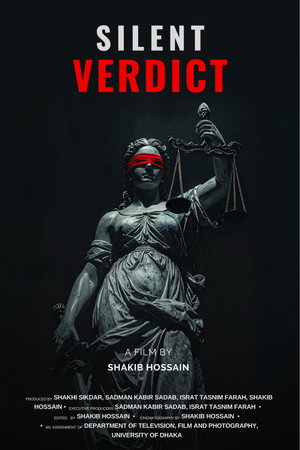
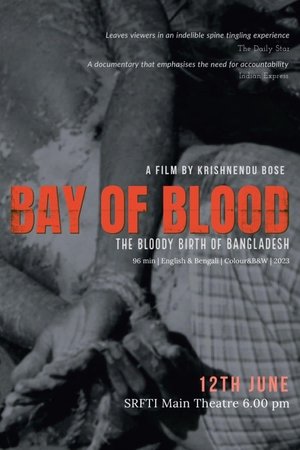
A dark and visceral journey. A language that tears apart the morbid nature of the dead-old primal human eyes. No warning was given. No mercy was shown.
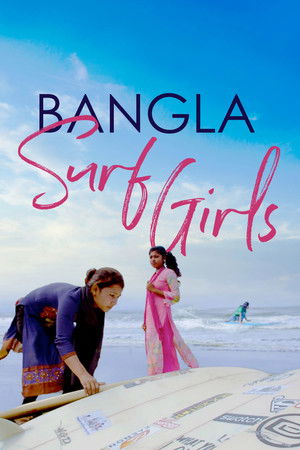
Three working-class teenage girls in a port city in Bangladesh escape daily hardships and stifling family lives by riding waves on their surfboards and grabbing hold of the fleeting and thrilling sense of freedom that brings.
In short episodes Handmade in Bangladesh tells the stories of average working people who live in a rich cultural heritage of artisan handicraft and creativity. They invent many ways of recycling in order to make a living out of basically nothing, looking at it from the perspective of the affluent West, in the sense that “One man’s trash is another man’s treasure.” In this way Handmade in Bangladesh offers an alternative point of view to the often one-sided, negative media image of this young, independent country.
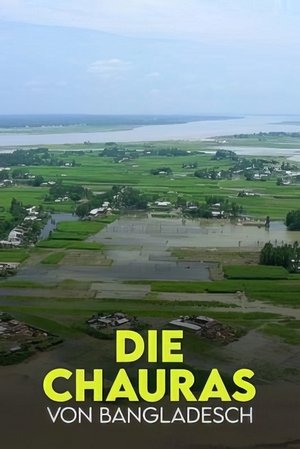
"Here was our home," says farmer Rahim Shorkar, and points to the water. “There were streets, schools and concrete buildings. We had everything." The river brings rich sediments that make the land fertile, but the Jamuna's generosity comes at a cost. Islands - known as chars - pop up at the river's whim. But they disappear just as quickly, and the people of the Jamuna must jump from island to island.
A documentary following an Estonian fashion designer Reet Aus on a global tour to explore the origin process and the environmental footprints of today's fast paced fashion industry. On the road the mission takes an unexpected turn towards trying to introduce her "upcycling" inspired product line to some of the major fashion retailers to increase awareness of the massive resource waste built into the current product lifecycle.
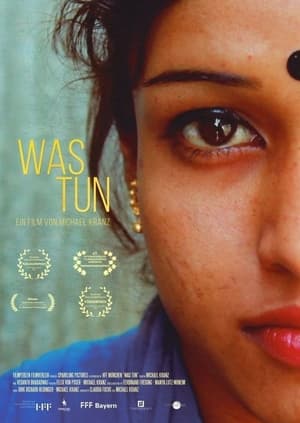
Faced with a documentary film that included an interview with a young girl forced into prostitution, Michael Kranz asked himself the apparently banal question of “what can be done?” He travelled to Bangladesh and began to search for the girl. A film that is both self-critical and critical of society about the desire to at least do something and not to simply and passively give in to the injustices in this world.
Documentary about the violent events that led to the creation of Bangladesh.
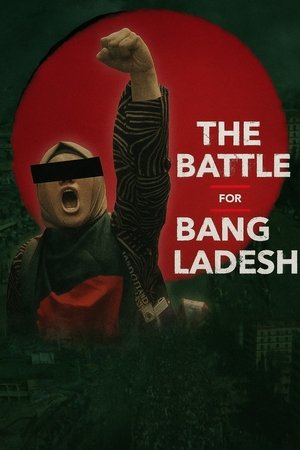
BBC Eye investigates the popular uprising that led to the downfall of Bangladesh’s Prime Minister Sheikh Hasina on August 5 2024. At least 52 people were killed and hundreds injured when police opened fire on protestors. Using unseen videos, documents and eyewitness accounts, BBC Eye pieces together what happened, why and who was responsible for one of the worst incidents of police killing in Bangladesh’s history.
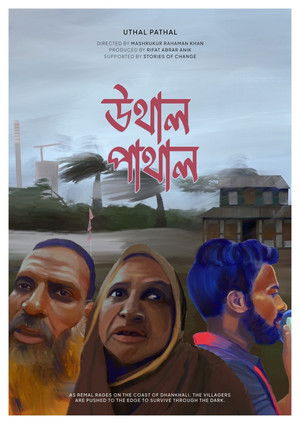
As Cyclone Remal approached, we arrived in Debpur village of Dhankhali Upazila, Bangladesh. What struck us immediately was the stark contrast between the official warnings of impending devastation and the villagers' apparent lack of preparedness. Over the following days, amidst the unfolding chaos, we documented the lives of individuals as they grappled with the imminent threat of destruction. The film captures the overbearing anxiety that grips entire communities in the face of an approaching cyclone. Through intimate encounters, and candid interviews, we witness firsthand the resilience and fear of those directly in Remal's path. Their voices echo the overwhelming power of nature and the human spirit in adversity.
March 25th 1971, a horrific 'Genocide' was unleashed on the unarmed civilians of East Pakistan. This was done by their own Pakistani Army. An estimated 3 million people were killed, 10 million people were displaced to India as refugees and 400,000 women and girls were raped by the Pakistani soldiers. But Pakistan was not alone in perpetrating this violence. The then-American president and the National Security Advisor were supporting the Pakistani dictator. The cold war triggered this geopolitical escalation. Finally, India pressurized by the 10 million refugees within its borders, went to war with Pakistan. and joining forces with the local rebels, the Mukti Bahini, helped liberate Bangladesh. Cradled in the blood of innocents, a new nation was born in the closing days of 1971. "Bay of Blood", brings this 50-odd-year-old story to life.