Follows the deadly Australian bushfires of 2019-2020, known as ‘Black Summer’. Burning is an exploration of what happened as told from the perspective of victims of the fires, activists and scientists.
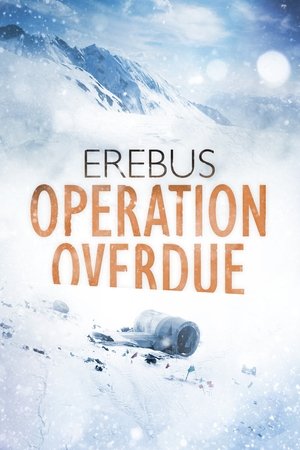
On 28 November 1979, an Air New Zealand jet with 257 passengers went missing during a sightseeing tour over Antarctica. Within hours 11 ordinary police officers were called to duty to face the formidable Mount Erebus. As the police recovered the victims, an investigation team tried to uncover the mystery of how a jet could fly into a mountain in broad daylight. Did the airline have a secret it wanted to bury? This film tells the story of four New Zealand police officers who went to Antarctica as part of the police operation to recover the victims of the crash. Set in the beautiful yet hostile environment of Antarctica, this is the emotional and compelling true story of an extraordinary police operation.
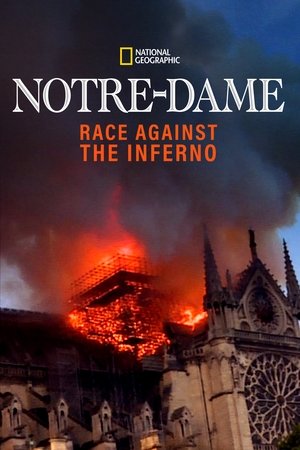
On April 15, 2019 600 firefighters of the Paris Fire Brigade fought for over 7 hours to save the Notre Dame Cathedral from fire. In this stunning documentary, witness firefighters testimonies as they struggle to wage war. Looking to save the massive building from flames and save the relics inside, not only for Paris but for this structure that serves as a symbol of Paris for the world.
Documentary short about the disastrous dangers of aging, ailing dams.
Two students from the Czech Film Academy commission a leading advertising agency to organize a huge campaign for the opening of a new supermarket named Czech Dream. The supermarket however does not exist and is not meant to. The advertising campaign includes radio and television ads, posters, flyers with photos of fake Czech Dream products, a promotional song, an internet site, and ads in newspapers and magazines. Will people believe in it and show up for the grand opening?
Survivors, witnesses, and experts tell the story of the tragic fire that engulfed a residential tower block in London — and the investigation that ensued.
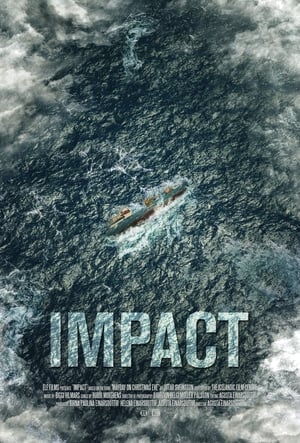
On Christmas Eve in 1986, an Icelandic cargo ship sank in the North Atlantic Ocean. Of the eleven men on board, five lived. This is the remarkable story of the heroic rescue mission that brought them home.
Also known as the "Kobe earthquake," the massive earthquake struck the southern Hyogo prefecture on January 17, 1995 and resulted in more than 6,400 casualties. The drama will focus on the reporters working for the Kobe Shimbun, who were determined to keep the newspaper running without interruption, despite the damage suffered during the earthquake. The characters in the drama will all be based on real people, using their real names. Sakurai stars as the photo reporter Tomohiko Mitsuyama, who had joined Kobe Shimbun four years before the earthquake. The show will also have documentary segments such as interviews, including an appearance by Mitsuyama himself.
A film cataloguing some of the world's largest catastrophes.
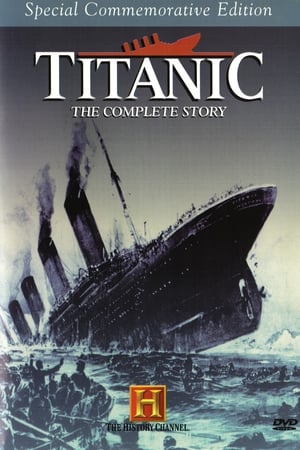
The "unsinkable" Titanic was a dream come true: four city blocks long and a passenger list worth 250 million dollars. But on her maiden voyage in April 1912, that dream became a nightmare when the giant ship struck an iceberg and sunk in the cold North Atlantic. More than 1,500 lives were lost in one of the greatest disasters of the 20th century. Now, using newsreels, stills, diaries, and exclusive interviews with survivors, Titanic: The Complete Story recounts the sensational history of the premier liner. In Part I: Death of a Dream, the largest ship ever built is christened in Ireland before a cheering crowd of 100,000. Witness the disaster this trek becomes as numerous iceberg warnings go unheeded and the ship sinks in the icy North Atlantic. In Part II: The Legend Lives On, over-packed lifeboats edge away from the crippled liner as a futile SOS signals flare into the night--leaving 1,500 passengers to a watery grave.
A documentary that reveals the underbelly of the global aid and investment industry. It's a complex web of interests that span the earth from powerful nations and multinational corporations to tribal and village leaders. This documentary offers unique insights into a multi-billion dollar world by investigating how aid dollars are spent.
At 7:14 am on 30 June 1908, the largest explosion recorded in human history to date reverberated throughout our planet. The force of the explosion was two thousand times that of the Hiroshima bomb. A woodland area the size of Luxembourg was eradicated in the Siberian taiga. This incident is recorded in history books as the Tunguska catastrophe. To this day, internationally renowned scientists of various disciplines argue about the causes of this disastrous explosion. The documentary discusses the latest and most controversial insights of these leading scientists. It identifies the reasons why Tunguska has evolved into a phenomenon and points out the curious results produced by this mythical event in culture and economy.
On a stormy day in May of 1889, the South Fork Dam impounding Conemaugh Lake exploded, unleashing a 40-foot wall of water. The bustling industrial city of Johnstown, PA, in the valley below was reduced to a wasteland, killing more than 2,200. This heavily dramatized documentary reviews the factors that led to the dam's collapse, while dramatic reenactments and survivors' personal testimonies detail the horror.
An engine fire leaves 4,000 passengers stranded at sea without power and plumbing in this wild documentary about the infamous "poop cruise" of 2013.
On April 26, 1986, a 1,000 feet high flame rises into the sky of the Ukraine. The fourth reactor of the Chernobyl nuclear power plant just exploded. A battle begins in which 500,000 men are engaged throughout the Soviet Union to "liquidate" the radioactivity, build the "sarcophagus" of the damaged reactor and save the world from a second explosion that would have destroyed half of Europe. Become a reference film, this documentary combines testimonials and unseen footage, tells for the first time the Battle of Chernobyl.
THE DEVIL'S FIRE is an original documentary from WSKG Public Television and filmmaker Brian Frey. Utilizing never-before-seen photographs and investigative archival material, the film tells the story behind the Binghamton Clothing Company's charismatic owner, Reed B. Freeman, and the young immigrant workers trapped in the deadly blaze that hot Tuesday in July of 1913.
In 1996, Universal Pictures released 'Twister', a film about tornado researchers. This documentary revisits the topic, exploring the motivations of those risking their lives to study dangerous weather. With never-before-seen footage and interviews, it delves into the lives of Storm Chasers.
In November 2017, a devastating earthquake hit western Iran. It took only 13 seconds to lose everything. This is a fleeting observation of the days after the disaster.
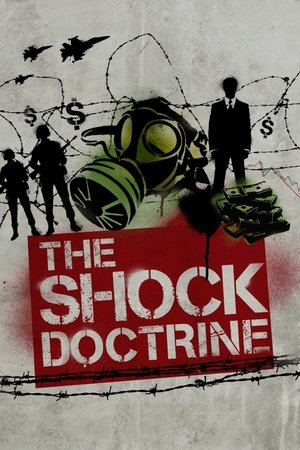
An investigation of "disaster capitalism", based on Naomi Klein's proposition that neo-liberal capitalism feeds on natural disasters, war and terror to establish its dominance.
The Ashtabula train disaster and bridge collapse was the worst train disaster of the 19th century, claiming the lives of 97 people. The engineering and structural failures that caused the collapse of a bridge that stood for over a decade, also took down the most luxurious train of the day, “The Pacific Express #5.” The accident happened in Ashtabula, Ohio on December 29, 1876 during a raging blizzard, sending the luxury train crashing 70-feet into a river gorge and costing the lives of 97 people. The disaster shocked the nation, yet it’s a story that’s been lost in the pages of history. In a strange twist of fate and intrigue, the bridge disaster also became the backdrop to the still unsolved murder of Charles Collins, the railroad’s chief engineer. It also contributed to the eventual suicide of millionaire Amasa Stone, the president of the railroad and the designer and builder of the bridge.