Hybrid docuseries offering an expansive exploration of the exploitative and genocidal aspects of European colonialism, from America to Africa, and its impact on society today.
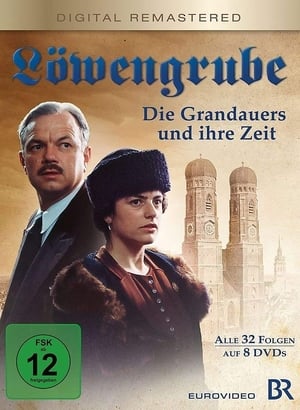
"Löwengrube – Die Grandauers und ihre Zeit" is a German television series first aired between 1989 and 1992, created by Willy Purucker and directed by Rainer Wolffhardt. It is set in Munich and follows the lives of Ludwig Grandauer and his son Karl, both policemen, covering the years from 1897 to 1954. The TV show is based on Purucker's radio play series Die Grandauers und ihre Zeit (‘The Grandauers and their time’). The series’ main title "Löwengrube", meaning ‘Lions’ Den’, refers to the address of the Munich Police Headquarters inaugurated in 1913.
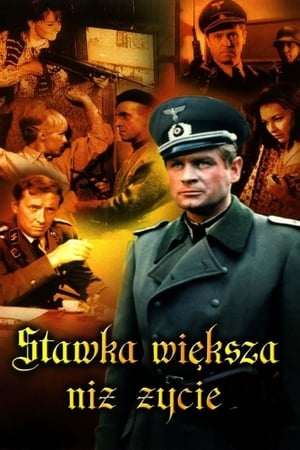
A series about the adventures of a Polish secret agent, Hans Kloss, who acts as a double agent in the Abwehr during Second World War in occupied Poland.
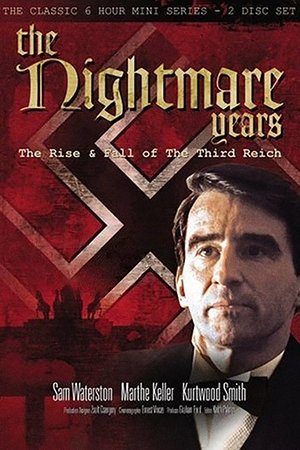
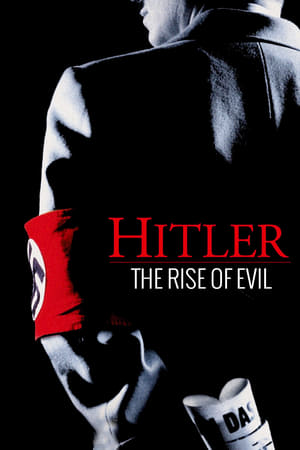
This biopic profiles history's most spectacular madman, tracing his journey from humble roots to complete mastery of Germany.
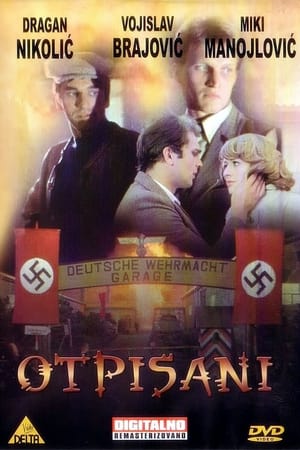
"The Written Off" is a famous Serbian TV miniseries, that was very popular in former Yugoslavia, originally airing in 1974. Due to its popularity, Radio Television of Serbia has shown reruns of the series ten times, the last re-run starting in 2012. The series has achieved something of a cult status among its audience and still attracts an estimated 3 million viewers with its last rerun. Idea of series derives from exploits of freedom fighters in Belgrade during World War II, and all the characters and events are fictitious.
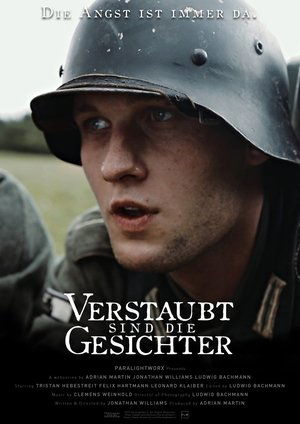
The Second World War depicted through the eyes of a German platoon on the Eastern Front.
Christabel is a four-part 1988 BBC Two drama serial written by Dennis Potter, based on the memoir The Past is Myself by Christabel Bielenberg. Englishwoman Christabel Burton marries German lawyer Peter Bielenberg and resides in WWII-era Nazi Germany. When Peter is arrested for plotting against Hitler, Christabel is forced to confront her loyalties and consider using her connection to Winston Churchill to help him.
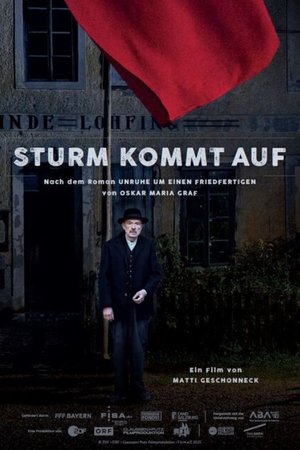
After World War I, political divisions deepen in a village in Upper Bavaria. Julius Kraus, a reclusive cobbler, finds himself caught between the fronts when his Jewish identity is revealed. The two 90-minute feature films are based on the novel "Unruhe um einen Friedfertigen" (Unrest Around a Peaceful Man) by Oskar Maria Graf, a masterpiece of German-language exile literature.
An inexperienced U-boat crew has to survive a secret mission and a young German woman is torn between loyalty for her home country and the French resistance in the WWII drama.
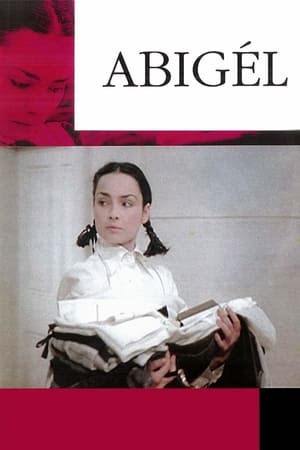
The story takes place during World War II. Vitay Georgina is enrolled by her father, General Vitay, in the completely closed, residential Calvinist Matula Girls' Institute in the town of Árkod, on the outskirts of the country. He does not tell Gina why, as her new classmates would accept her, but after she fights with them over a silly game and betrays them, she is ostracised.
A series that discusses secrets and mysteries during wars in the 20th century.
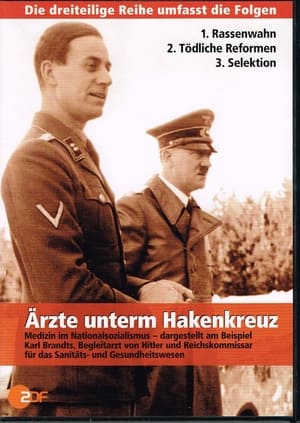
A series of programmes about Albert Speer, Hitler's architect and armaments minister.
WWII: The Lost Color Archives
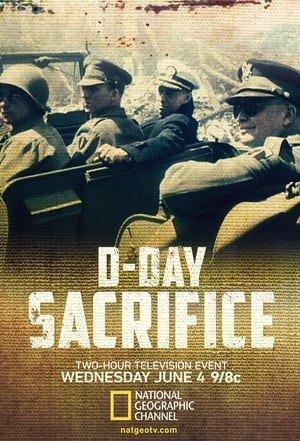
Comprised entirely of re-mastered and colorised archive footage from World War II, much of it never before seen, Sacrifice recounts the story of D-Day through the testimonies of those who lived it. These important historical days are seen through the eyes of French civilians and members of the military fighting on both sides. The testimonies of famous individuals like Dwight D. Eisenhower and Erwin Rommel are intertwined with those of anonymous soldiers and citizens, such as film director Samuel Fuller and Eisenhower's chauffeur, Kay Summersby. From the preparations for D-Day all the way through to the liberation of Paris, the accounts of these men and women provide a moving and invaluable retelling of this pivotal time in history.
Explores the Third Reich from a contemporary perspective to investigate how the Nazis managed to conquer Germany and then half of Europe in the wake of World War I.
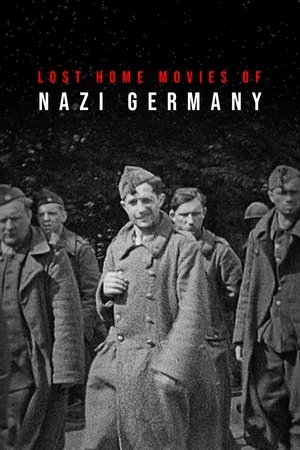
A candid look at what life was really like for those living in, and under Hitler's Swastika - at home - and abroad, a record not only of what they saw, but of what they knew.
For the first time ever, experts identify Hitler’s DNA. What do his genes reveal about Hitler's heritage and origins, his neurology and drives?
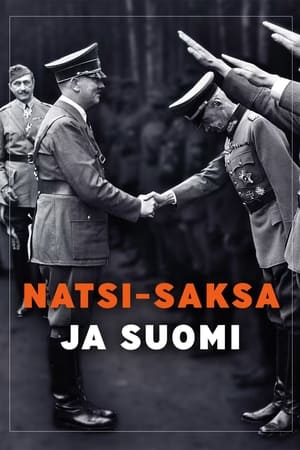
A four-part history series examines relations between Nazi Germany and Finland in the 1930s and 1940s. The series explores how the close relationship between Finland and Germany was born and developed, and what was known in Finland about the Holocaust, the mass extermination of the Jews at a time when the countries were at war together. Through archives and expert interviews, it explores how close Finns were to the Nazi German leadership.
The decline of Hitler’s empire from the inside out by exploring the decline of the Nazis through the perspective of Hitler's bumbling generals and a paranoid Fuhrer.
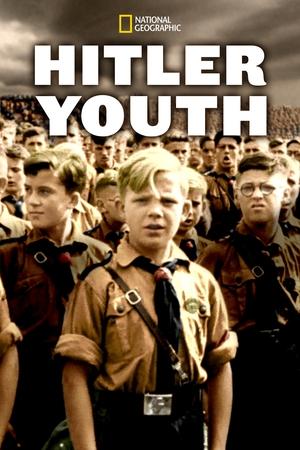
In 1930s Germany, the Nazi Party created the Hitler Youth to indoctrinate children and adolescents with Nazi ideology and prepare them to become a child army for Hitler. The first programme traces the rise of the movement through to the war. The second programme starts at the height of WW2 and traces the story of the Hitler Youth as they face defeat.