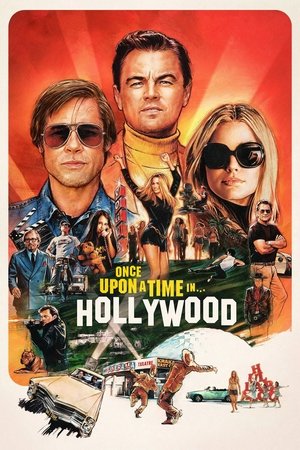
Los Angeles, 1969. TV star Rick Dalton, a struggling actor specializing in westerns, and stuntman Cliff Booth, his best friend, try to survive in a constantly changing movie industry. Dalton is the neighbor of the young and promising actress and model Sharon Tate, who has just married the prestigious Polish director Roman Polanski…
A Midwestern housewife supports her large family by entering contests for ad slogans sponsored by consumer product companies, while dealing with abuse from her alcoholic husband. Based on a true story.
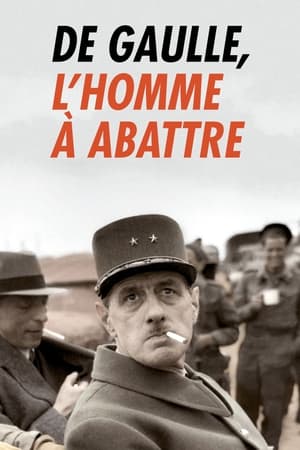
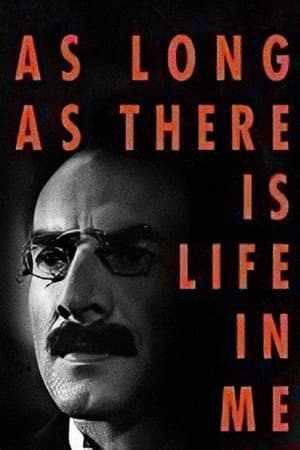
De Gaulle, l'homme à abattre
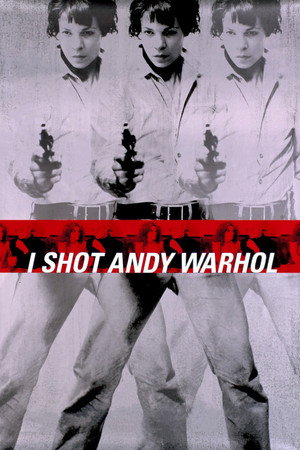
The story of Valerie Solanas, a '60s radical who preached misandry in her "SCUM" manifesto. She wrote a screenplay for a film that she wanted Andy Warhol to produce, but he repeatedly ignored her. So she shot him.
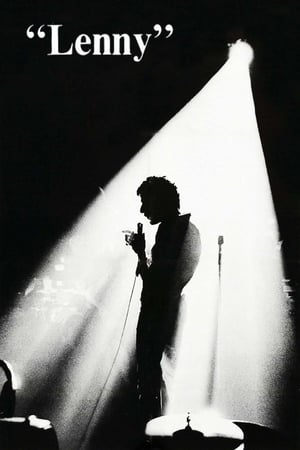
The story of acerbic 1960s comic Lenny Bruce, whose groundbreaking, no-holds-barred style and social commentary was often deemed by the establishment as too obscene for the public.
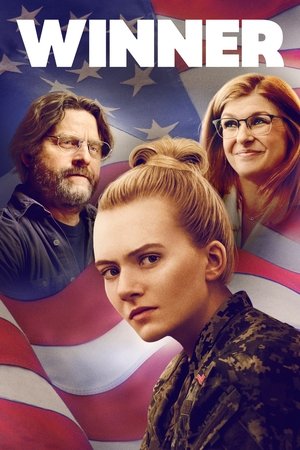
Winner is a brilliant young misfit from Texas who finds her morals challenged while serving in the U.S. Air Force and working as an NSA contractor. A fresh take on the traditional whistleblower thriller, the coming-of-age story follows an idealistic young woman persecuted for standing by her principles.
An unreleased taping of a defunct late-night program reveals the artifice behind the show and its very special guest.
This is part one of a two-part biopic about Karl Liebknecht. In 1914, Germany is arming itself for war. Karl Liebknecht, left-wing revolutionary Social Democrat, workers’ leader and a virulent antimilitarist, is one among 110 SPD members of Parliament who vote against approving war loans. From then on, he is considered un-German and a traitor to the fatherland, and his own party’s leadership turns against him. Despite threats, Liebknecht speaks up against the war and writes the manifesto “The Main Enemy Is at Home.” Even when he is arrested and charged with treason, he does not surrender.
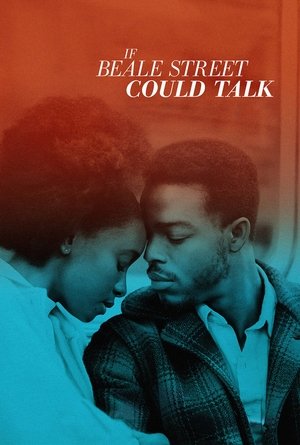
After her fiance is falsely imprisoned, a pregnant African-American woman sets out to clear his name and prove his innocence.
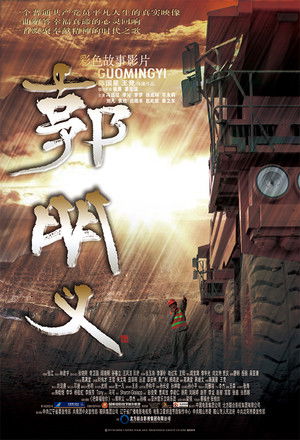
In 2011, a movie biography of Guo Mingyi was Produced. The movie was directed by Chen Guoxing and Wang Jing, with the lead part played by Hou Yong and supporting parts by Jiang Hongbo, Li Qin and Feng.
It is 1945. Enrico Piaggio’s Pontedera factory is in ruins and the 12,000 people who worked there are condemned to unemployment and misery. Piaggio feels the enormous responsibility resting on his shoulders: the lives of so many families depend on his ability to create new jobs. A project is born in the mind of the entrepreneur: a small, robust, agile and affordable means of transport, capable of relaunching mobility, giving impetus to the recovery of the country’s economic and civil life. To make this dream come true, Piaggio turns to engineer Corradino D’Ascanio, a brilliant designer who uses the experience gained in the field of aeronautics to create the scooter that remains today the symbol of Italian creativity and design: the Vespa!
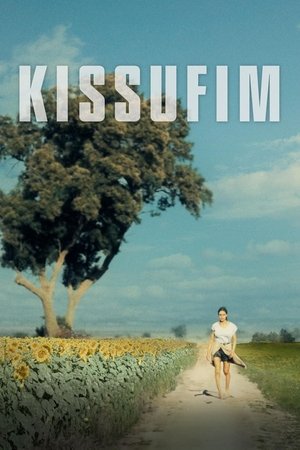
A coming of age story of members of a Nahal group, volunteering in a kibbutz named "Kissufim" ("Yearnings" in Hebrew), on the outskirts of the Gaza strip in the 70s, who meet with the hardships of love, sexuality, morality and responsibility near the end of their military service and the beginning of their civilian adult lives.
As the Algerian War draws to a close, a teenager with a girlfriend starts feeling homosexual urges for two of his classmates: a country boy, and a French-Algerian intellectual.
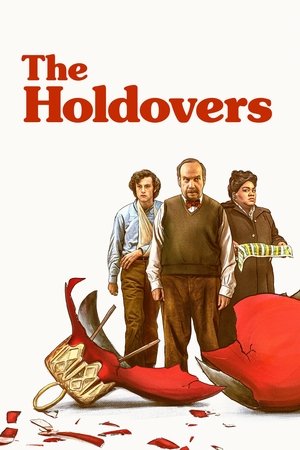
A curmudgeonly instructor at a New England prep school is forced to remain on campus during Christmas break to babysit the handful of students with nowhere to go. Eventually, he forms an unlikely bond with one of them — a damaged, brainy troublemaker — and with the school’s head cook, who has just lost a son in Vietnam.
69, année pandémique
Heinrich Heine
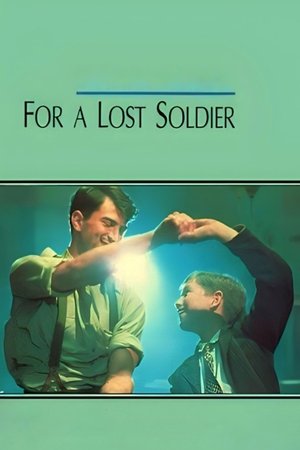
In the occupied Netherlands near the end of WWII, a young teenager, Jeroen Boman (Maarten Smit) is sent to the Dutch countryside to avoid the war in Amsterdam. While living with his adopted family, Jeroen meets and becomes friends with a Canadian soldier named Walt Cook, who is stationed at the same town he is staying at. Joroen and Walt spend a lot of time playing around and eventually a romantic relationship develops between them. The boy’s sexual curiosity leads him to have a sexual experience with Walt, an encounter that is shown with some vague detail but without actually showing any nudity, even though sexual intimacy between the two of them is implied. Overall, the movie handles this difficult subject with an elegant style and feeling, without having the adult-child relationship overwhelm the viewer and thus allowing the movie to be seen as just a wartime relationship between two people that marks an important time in a young boy’s life.
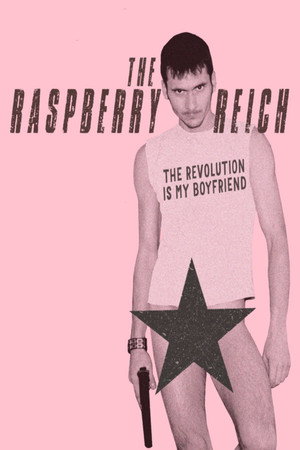
Gudrun has modeled her amateur German terrorist group after the 1970s Red Army Faction (Baader-Meinhof Gang). She attempts to imitate her heroes by kidnapping the son of a wealthy industrialist and hopes to negotiate leftist demands from the father. When Gudrun’s not spouting leftist verses (including during a hilariously brilliant fuck session), she’s trying to convince her all-male gang to abandon their heterosexuality, which she believes is the result of mass delusion.
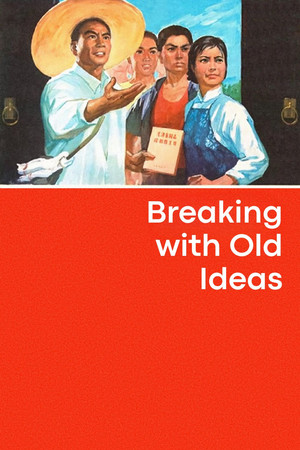
The film tells the story of the Communist Labour College that opened in the 1960s. Long Guozheng, an emissary from the Communist government and Li Jinfeng, a female peasant student, must fight against the school's more conservative elements. In the film's climax, Li is put on trial and is about to be expelled from the school when she is saved by a pronouncement from Chairman Mao himself.
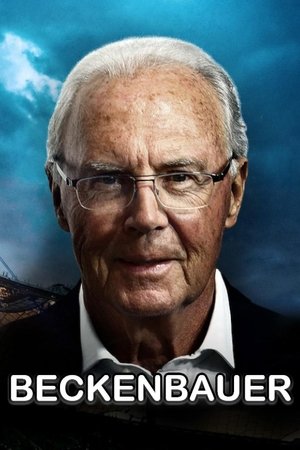
He is considered one of the most important athletes in football history. Franz Beckenbauer was the shining light of German football, won everything there was to win in club football as a player and coach, became world champion as a player and coach and, as the father of the "Summer Fairy Tale", brought the 2006 World Cup to Germany. He was also a pioneering advertising icon and an occasional singer and actor. The man whom everyone in his home country simply calls “Kaiser” shaped the image of the Federal Republic of Germany like no one else. The legendary footballer seems like a national treasure today, but little is known about the person behind the ball artist. Public knowledge of his private life is shaped by his long-term relationships with four women. The documentary, completed shortly before his death, uses archive material and prominent contemporary witnesses from sports, politics and entertainment to weave both facets into a look at a life's work with light and shadow.