Disciplined Italian composer Antonio Salieri becomes consumed by jealousy and resentment towards the hedonistic and remarkably talented young Salzburger composer Wolfgang Amadeus Mozart.
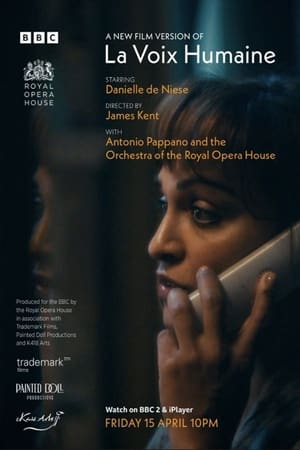
A notable opera singer tries to commit suicide because of a emotional breakdown. While hospitalized in a psychiatric clinic, her daughter cautiously approaches the man she considers to be the blame for the state of her mother in order to gain her revenge.
“In a world that often demands certainty, Dialogues des Carmélites invites us to sit with profound questions that have no easy answers: What makes a life worthy? How can we be truly prepared for our inevitable end? What does security mean when everything familiar is threatened? What sustains us when our institutions crumble? … Rather than imposing answers, the opera creates room for reflection on how faith manifests not as abstract doctrine, but as lived experience under extraordinary pressure.” — Louisa Muller, Director’s Note. Juilliard Opera directed by Louisa Muller. Matthew Aucoin conducts the Juilliard Orchestra. Performed and recorded on April 26, 2025 at the Peter Jay Sharp Theater. Dialogues des Carmélites, an opera by Francis Poulenc. Libretto adapted by the composer.
Piero Cappuccilli and Shirley Verrett lead Verdi’s sombre masterpiece, drawn from one of Shakespeare’s most celebrated tragedies. Filmed for television at Teatro alla Scala in 1979, Claudio Abbado conductes a night to remember.
Franz Woyzeck, a lowly soldier stationed in a mid-nineteenth century provincial German town, is the father of an illegitimate child by his mistress Marie.
Arthur Rocha is an astronaut called to command the Singilia mission in order to find life on the planet Cau Teti B, but things do not go as planned and he faces a series of bizarre events that begin to affect his psyche.
The plot revolves around two completely different and distant women — a nurse and a fashion model — who are haunted by their own spectre after going through the same experience: they can no longer see their reflections in the mirror.
Mario Martone signs direction and scenes of this new film-work of Verdi's masterpiece. On the podium of the Orchestra of the Teatro dell'opera in Rome its musical director, maestro Daniele Gatti. the new set-up of the opera to a libretto by Francesco Maria Piave is embellished with costumes by Anna Biagiotti and photography by Pasquale Mari.
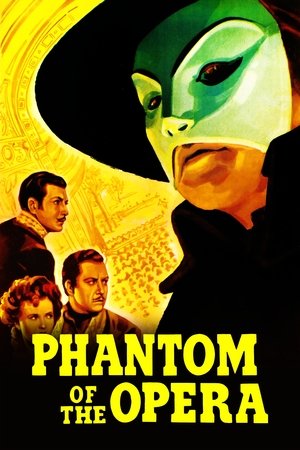
Following a tragic accident that leaves him disfigured, crazed composer Erique Claudin transformed into a masked phantom who schemes to make beautiful young soprano Christine Dubois the star of the opera and wreak revenge on those who stole his music.
This was Domingo's last set of performances as Otello in La Scala. In spite of his relatively advanced age, he is still in excellent form, both vocally and in terms of stage presence. Nucci is also his usual self, delivering a performance of very high standard. Barbara Frittoli is an excellent Desdemona, in good voice and gives a very moving performance. Muti conducts with great emotion and tight accuracy, conveying the full orchestral drama of the score.
While celebrating with her friends in her new cheaply rented apartment on the thirteenth floor of a building, the young Sayaka unexpectedly jumps off the balcony committing suicide. Her mother goes insane and her older sister, Mariko, decides to investigate the mysterious death of her sister.
Trapped in an abusive marriage, a wealthy German prince desperately seeks a way out. But what appears to be the road to salvation soon turns into a highway to hell. The universal language of music meets the international language of Esperanto in this debut opera by Ivan Acher. The carpenter, forest worker, designer and composer has cleverly blended electro-acoustic and contemporary music to breathe life into Ladislav Klíma’s expressionist novel, The Sufferings of Prince Sternenhoch.
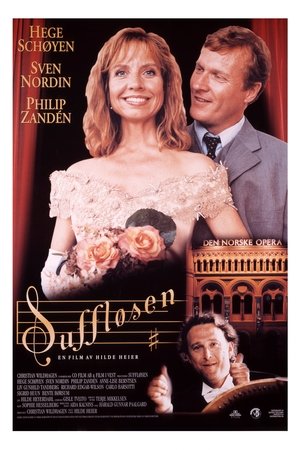
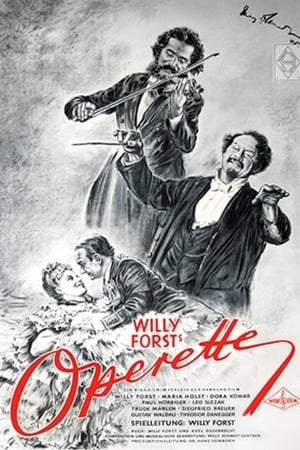
A musician is offered a job in Vienna as stage director, but his disagreements with the aristocratic opera manager end in abrupt firing in spite of a mutual attraction. He's quickly engaged by another theatre and becomes famous for his lavish stage productions and fine acting, which begins their golden age with Suppé and Strauss.
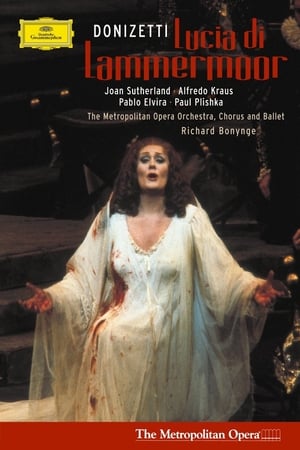
This telecast offers a rare opportunity to see the legendary Joan Sutherland in the role that first catapulted her to international stardom. She drove audiences wild by the way her opulent voice caressed the music’s long phrases and sprinted effortlessly through the fiendish runs, trills, embellishments and stratospheric high notes. One of the glories of the operatic world, her portrayal of Donizetti’s hapless heroine is a multifaceted and moving characterization. The incomparable tenor Alfredo Kraus is Edgardo, the man Lucia loves but cannot have. (Performance taped November 13, 1982. Broadcasted September 28, 1983.)
The life and career of Italian opera singer Farinelli, considered one of the greatest castrato singers of all time.
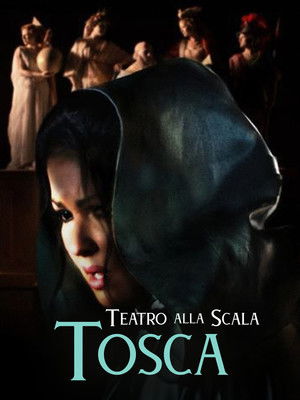
Non-musical account of Puccini's opera: Tosca and Cavaradossi are in love, but the tyrant Scarpia desires Tosca and oppresses Cavaradossi who is fighting for freedom.
A series of terrifying accidents and brutal murders leave a bloody trail into the subterranean caverns of an Opera house. Below the theatre stalks a man raised by creatures of the underworld.
It took Anna 10 years to recover from the death of her husband, Sean, but now she's on the verge of marrying her boyfriend, Joseph, and finally moving on. However, on the night of her engagement party, a young boy named Sean turns up, saying he is her dead husband reincarnated. At first she ignores the child, but his knowledge of her former husband's life is uncanny, leading her to believe that he might be telling the truth.
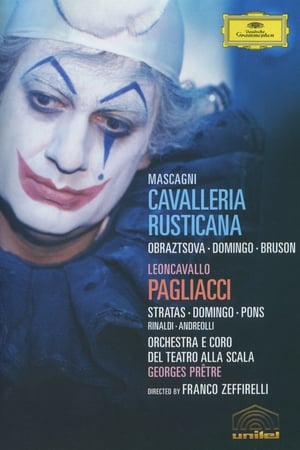
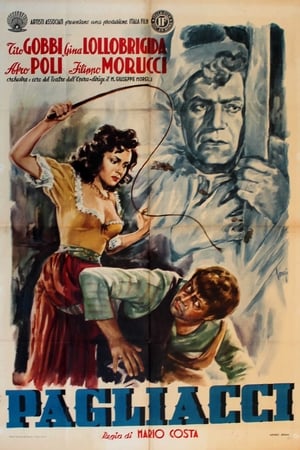
Based on Ruggero Leoncavallo's opera Pagliacci. The film recounts the tragedy of Canio, the lead clown (or pagliaccio in Italian) in a commedia dell'arte troupe, his wife Nedda, and her lover, Silvio. When Nedda spurns the advances of Tonio, another player in the troupe, he tells Canio about Nedda's betrayal. In a jealous rage Canio murders both Nedda and Silvio. The only actor in the cast who also sang his role was the celebrated Italian baritone, Tito Gobbi, but the film is largely very faithful to its source material, presenting the opera nearly complete.
When Sir John Falstaff decides that he wants to have a little fun he writes two letters to a pair of Window wives: Mistress Ford and Mistress Page. When they put their heads together and compare missives, they plan a practical joke or two to teach the knight a lesson. But Mistress Ford's husband is a very jealous man and is pumping Falstaff for information of the affair. Meanwhile the Pages' daughter Anne is besieged by suitors.