A documentary that examines the cultural stereotype of the people of Appalachia and how that has affected America's relationship with its rural communities.
From the camera of celebrated French documentarians Jean-Pierre Bruneau and Jose Reynes, and in the tradition of The Buena Vista Social Club, comes the exhilarating musical documentary Louisiana Blues. From the backwoods of Baton Rouge to the heart the Big Easy, creole and Cajun music have endured despite years of tumult. This film explores not only the musicians who continue to produce this music, but the climate, culture, and way of life that have shaped them. Innumerable zydeco superstars appear onscreen and deliver legendary performances, including Beau Jocque, D.L. Menard, and Zydeco Joe.
A profile of the Hippest band of the 60's and 70's as they prepare for a reunion gig.
The music speaks for itself in this performance documentary that highlights some of the biggest names within the country-folk scene in Texas and Tennessee during the last weeks of 1975 and the first weeks of 1976, eschewing narration and staged interviews.
A communist soldier is sent to a remote region of China in order to collect folk songs. Staying with a peasant family (a widower with two small children), he discovers a community whose way of life is completely alien to him, but he gradually wins their trust.
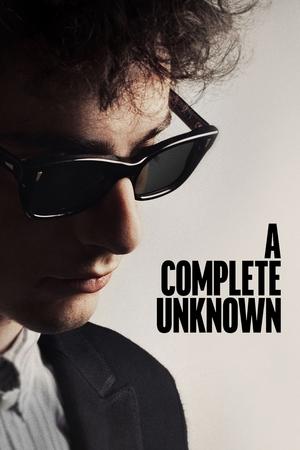
An unvarnished chronicle of Bob Dylan's metamorphosis from folk to rock musician via appearances at the Newport Folk Festival between 1963 and 1965.
This documentary follows the lives of the Bowling family as they fight to survive in dirt-poor Appalachia. Matriarch Iree has given birth to 13 children, but only two have left to seek better lives in Ohio while the rest have married and started their own impoverished families near home. Uneducated and unskilled, all are unemployed, and domestic violence and alcoholism pose serious problems. The filmmakers explore the family's relationships through interviews and footage of their daily lives.
Indie folk heroes Edward Sharpe & The Magnetic Zeros, Tennessee’s Old Crow Medicine Show, and Britain’s acclaimed Mumford & Sons, climbed aboard a beautiful vintage train in California, setting out for New Orleans, Louisiana on a “tour of dreams”. The resulting film from this journey is nothing short of magical. Part road movie and part concert film, BIG EASY EXPRESS bears witness to the birth of a new musical era. With poignancy and beauty, Malloy documents these incredible musicians as they ride the rails and wow the crowds, from Oakland… to New Orleans.
Bob Childress was the founder and builder of the famous "Rock Churches" of southwest Virginia, all established between 1919 and 1954. In 2022, Buford Jessup and his family set out to visit all seven of his great uncle's churches.
A portrait of the Chicago Near-North nightlife scene in the mid-1960s, centering around the struggles and romantic desires of an African American singer played by long-forgotten folk sensation Willie Wright. (Courtesy Chicago Film Archives)
The untold story of Jackson C Frank, an American folk legend. His tragic life produced some of the most timeless folk music of our time.
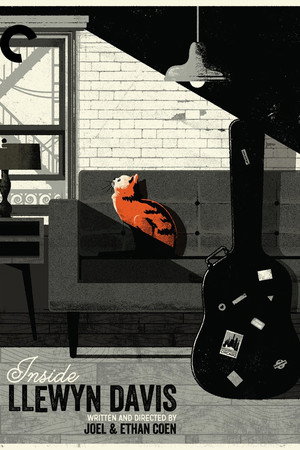
In Greenwich Village in the early 1960s, gifted but volatile folk musician Llewyn Davis struggles with money, relationships, and his uncertain future.
Blues and folk singer Karen Dalton was a prominent figure in 1960s New York. Idolized by Bob Dylan and Nick Cave, Karen discarded the traditional trappings of success and led an unconventional life until her early death. Since most images of Karen have been lost or destroyed, the film uses Karen's dulcet melodies and interviews with loved ones to build a rich portrait of this singular woman and her hauntingly beautiful voice.
Changing Landscapes meditates upon the care and carelessness humans brought to bear on the environment in Scotland. Rare archive combines with performances from the BBC Scottish Symphony Orchestra.
Mountain dialect, culture and identity are revealed by the true experts on Southern Appalachian culture--the people whose families have lived there for generations.
Comitiva Esperança
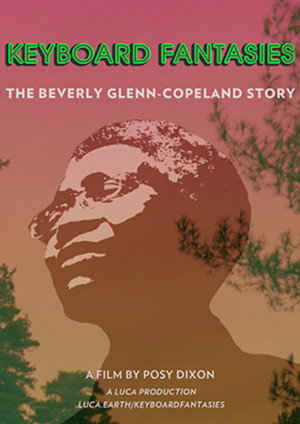
As a sci-fi obsessed woman living in near isolation, Beverly Glenn-Copeland wrote and self-released Keyboard Fantasies in Huntsville, Ontario back in 1986. Recorded in an Atari-powered home-studio, the cassette featured seven tracks of a curious folk-electronica hybrid, a sound realized far before its time. Three decades on, the musician – now Glenn Copeland – began to receive emails from people across the world, thanking him for the music they’d recently discovered.
A classic concert by Gordon Lightfoot from 1972, accompanied by Red Shea and Richard Haynes. They perform songs including Summer Side of Life, Saturday Clothes, That's What You Get For Loving Me, Affair on 8th Avenue, If I Could Read Your Mind, Steel Rail Blues, Ten Degrees and Getting Colder, Early Morning Rain, Me and Bobby McGee, Minstrel of the Dawn and Canadian Pacific Trilogy.
A single female voice sings of waiting in her garden for her ‘dark-eyed sailor’ to return from war, bearing the other half of their token, a gimmel ring. Three veterans pass on the road as she waits, and she asks them: “When you were fighting in distant lands, did you think of the home you left?” In reply the veterans relate their recollections. The garden images in the accompanying film represent ‘home’, but also stand for a more general possibility of redemption, of the potential of the past to return at any time, disguised and changed, to renew the present: “Each moment of time is a garden gate,” the song goes, “Through it my love may walk.”
A musical portrait of the ethnic minorities of the Crimean peninsula, it explores the sonic diversity from this unique land.