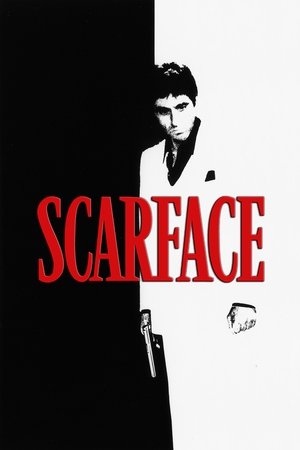
After getting a green card in exchange for assassinating a Cuban government official, Tony Montana stakes a claim on the drug trade in Miami. Viciously murdering anyone who stands in his way, Tony eventually becomes the biggest drug lord in the state, controlling nearly all the cocaine that comes through Miami. But increased pressure from the police, wars with Colombian drug cartels and his own drug-fueled paranoia serve to fuel the flames of his eventual downfall.
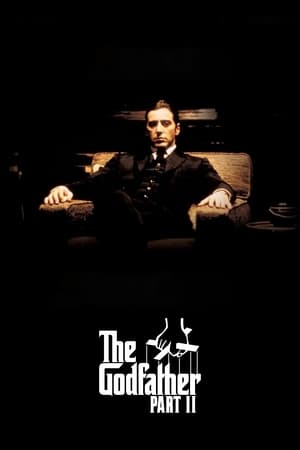
In the continuing saga of the Corleone crime family, a young Vito Corleone grows up in Sicily and in 1910s New York. In the 1950s, Michael Corleone attempts to expand the family business into Las Vegas, Hollywood and Cuba.
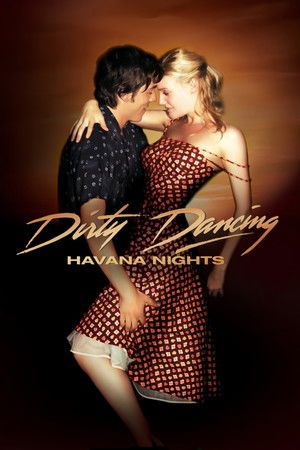
In pre-revolution Cuba, Katey Miller is about to defy everyone's expectations. Instead of a parent-approved suitor, Katey is drawn to the sexy waiter, Javier, who spends his nights dancing in Havana's nightclubs. As she secretly learns to dance with Javier, she learns the meanings of love, sensuality and independence.
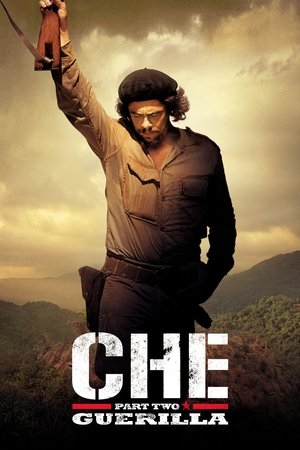
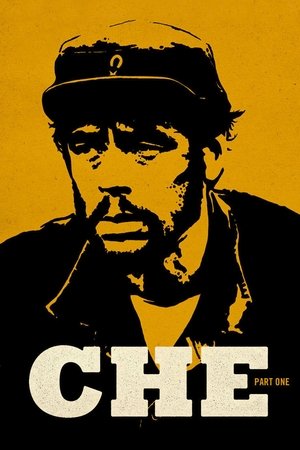
Seven years after his triumph in Cuba, Che winds up in Bolivia, where he tries to ignite the same revolutionary fires as before.
Ernesto Guevara, known as 'Che', leads a group of Cuban exiles under Fidel Castro in a revolution to overthrow Fulgencio Batista, the dictator of Cuba.
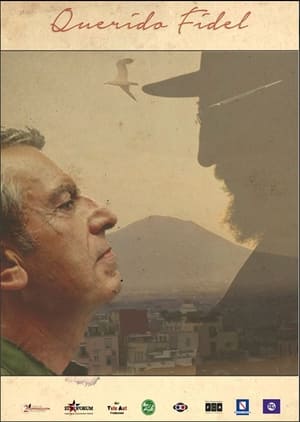
Querido Fidel
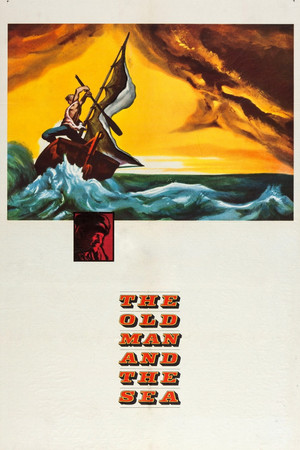
Santiago is an aging, down-on-his-luck, Cuban fisherman who, after catching nothing for nearly 3 months, hooks a huge Marlin and struggles to land it far out in the Gulf Stream.
Dani, a young Cuban, lives in Havana with his grandmother Yuya. When his girlfriend becomes pregnant, the young woman's family demands an abortion... because Dani is black.
The first years of the Cuban Revolution characterized by social transformations and class struggles.
A patriot (René Lavan) with a rebellious brother falls in love with a dissident's daughter (Mayte Vilán) in Castro's Cuba.
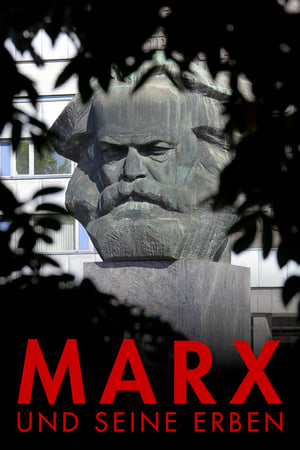
Over the past hundred years, dramatic social upheavals have taken place in the name of Karl Marx's theories. In Western Europe, the student movement of 1968 and the Eurocommunists were inspired. And in recent times, the thinker has experienced a renaissance.
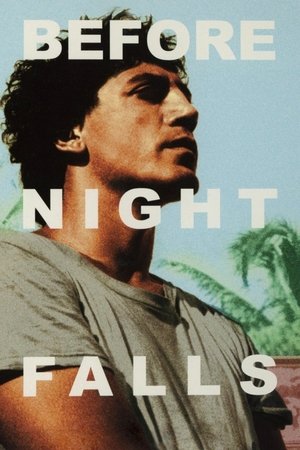
Spanning several decades, this powerful biopic offers a glimpse into the life of famed Cuban poet and novelist Reinaldo Arenas, an artist who was vilified for his homosexuality in Fidel Castro's Cuba.
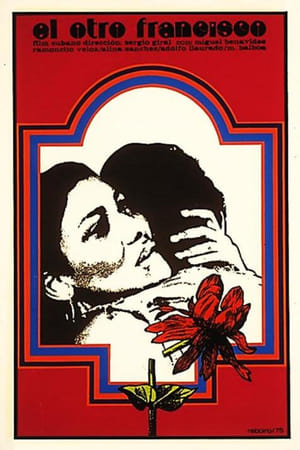
Based on the novel Francisco by Anselmo Suárez y Romero, "The Other Francisco" is a socio-economic analysis of slavery and class struggle through the retelling of the original novel. The film contrasts the romantic conceptions of plantation life found in Suárez Romero's novel with a realistic expose of the actual historical conditions of slavery throughout the Americas. It offers a critical analysis of the novel, showing how the author's social background led to his use of particular dramatic structures to convey his liberal, humanitarian viewpoint.
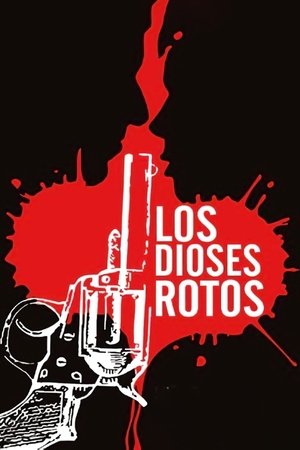
In the manner of a well run Greek tragedy, leaving aside one of its components, dragging in its passing narrative certainty by the viewer that violent death is the hallmark of so much misfortune purifier, Los Dioses Rotos crowns the very successful arrival of Ernesto Daranas to the feature domains and with it, the team that accompanied him, including the actors.
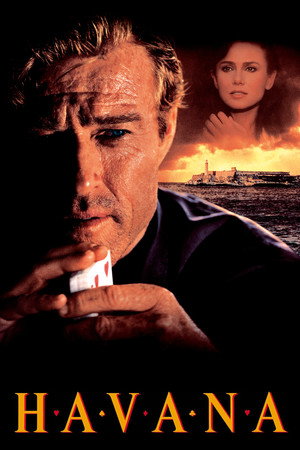
During the revolution, a high-stakes gambler arrives in Cuba seeking to win big in poker games. Along the way, he meets and falls in love with the wife of a Communist revolutionary.
In the aftermath of the Bay of Pigs incident, Sergio chooses to stay behind in Cuba while his wife and family escape to neighboring Miami. Alone in a brave new world, Sergio observes the constant threat of foreign invasion while chasing young women all over Havana. He finally meets Elena, a young girl he seeks to mould into the image of his ex-wife, but at what cost to himself?
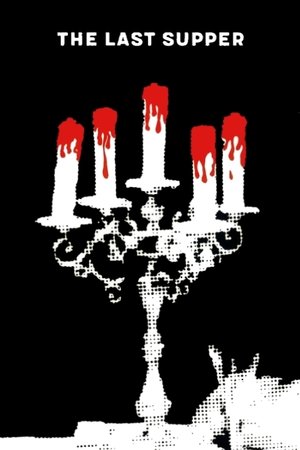
A pious plantation owner attempts to teach Christianity to 12 of his slaves by inviting them to participate in a reenactment of the Last Supper.
Island of Dreams
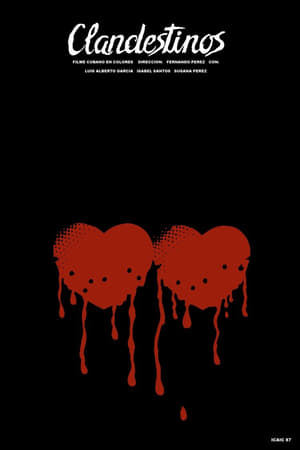
In 1950s Havana, a romance blooms between two young revolutionaries whose clandestine printing press publishes pamphlets meant to stir up rebellion against the dictatorship of Fulgencio Batista. As their popularity grows, so, too, does their revolutionary zeal and their desire to mobilize other urban guerilla units.
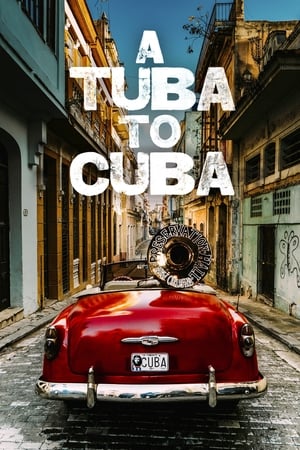
A son seeking to fulfill his late father’s dream takes his band from the storied city of New Orleans to the shores of Cuba, where — through the universal language of music — dark and ancient connections between their peoples reveal the roots of jazz.