Why would two New York-based filmmakers dedicate five years of their lives to following three white, Jesus-loving, spandex-clad men from the Bible Belt, particularly when the world of documentary filmmaking has generated its fair share of films concerning sensationalistic religious expression and contact sports in recent years? Because it's not about wrestling, and it's not about Jesus. Against a bizarre and entertaining backdrop, and through a motley cast of characters, we are reminded of what connects us all, lest we forget what it means to be human.
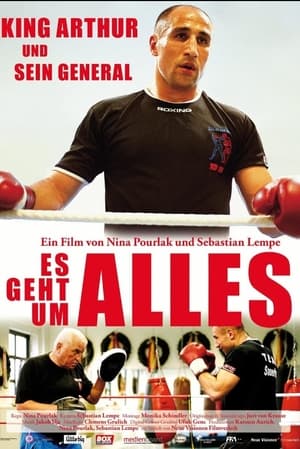
Es geht um Alles
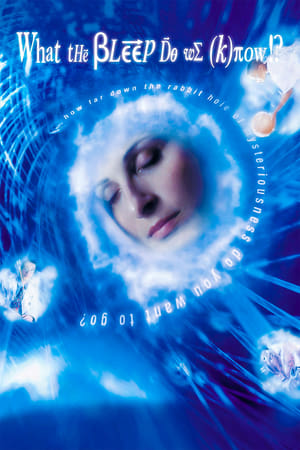
Amanda is a divorced woman who makes a living as a photographer. During the Fall of the year Amanda begins to see the world in new and different ways when she begins to question her role in life, her relationships with her career and men and what it all means. As the layers to her everyday experiences fall away insertions in the story with scientists, and philosophers and religious leaders impart information directly to an off-screen interviewer about academic issues, and Amanda begins to understand the basis to the quantum world beneath. During her epiphany as she considers the Great Questions raised by the host of inserted thinkers, she slowly comprehends the various inspirations and begins to see the world in a new way.
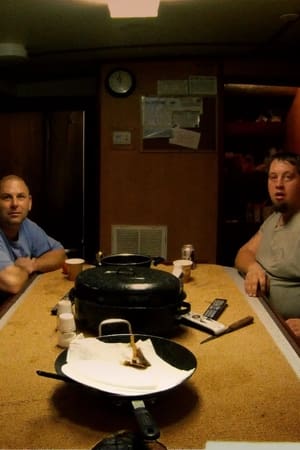
A short companion to Leviathan, set inside the fishing vessel.
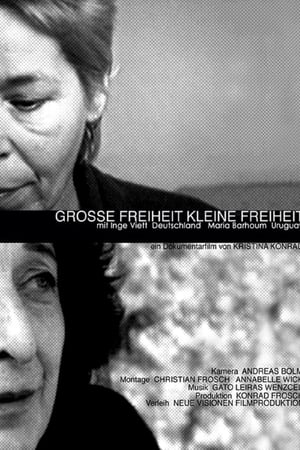
Two women fought with uncompromising conviction to change the world in the late 1960s - Inge Viett as a former member of the RAF in Germany, Maria Barhoum as former member of the FAU in Uruguay. In 1999, they met in Cuba, a country that seemed to mirror many of their questions, hopes and fears. The film looks at their real lives and different roads to exile; two utopian visions sought under very different conditions on separate continents. It is a double portrait of two extraordinary women that succeeds in avoiding the twin pitfalls of condemnation and glorification.
The thronging streets of Chennai in festive mood are captured by this lively amateur film.
A trip to the spectacular city of Bundi and a Kathakali dance performance, filmed in vivid colour.
Rare amateur footage of East India.
Extraordinary footage of prayers in the Punjabi capital.
Ismini (13) often stays over for the night at the house of Komal (12), her neighbor and closest friend. Their friendship has been solid since they were 3. In the year that they will change more than ever, physically and mentally, we are present at their pajamas parties. They are both convinced that nothing will ever change between them. We experience that year as one intimate film night in which they develop from girls into women. Does their friendship change along?
Gymnastics - a single common dream : The Olympic Games , Rio De Janeiro, 2016.
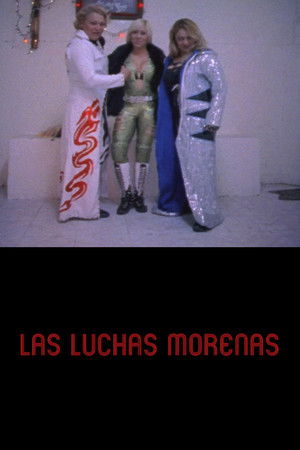
Bim Bam Boom Las Luchas Morenas, is about three Mexican sisters, professional wrestlers, whose lives, lived according to their own ideas, are a struggle but also a lot fun.
A very personal and dynamic meditation on the current global refugee crisis through the eyes and voices of campaigners, specially children, where past and present establish a dialogue. A reflection on the importance of human rights.
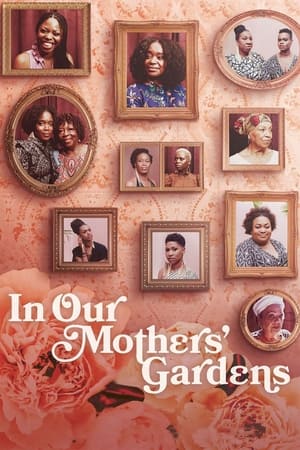
In Our Mothers' Gardens celebrates the strength and resiliency of Black women and Black families through the complex, and often times humorous, relationship between mothers and daughters.
Documents a woman's actual pregnancy; the emotions, the affects on her husband and first-born child, the birth itself via Caesarean section, and her struggle to return to work and a social life, while still being a good mother.
Documentary on Seattle's Pike Place Market, and those who have saved it from destruction over its first 100 years of existence. Covers the history of the Market, the people who live and work there, and the ghosts who still haunt it.
Guy Debord's analysis of a consumer society.
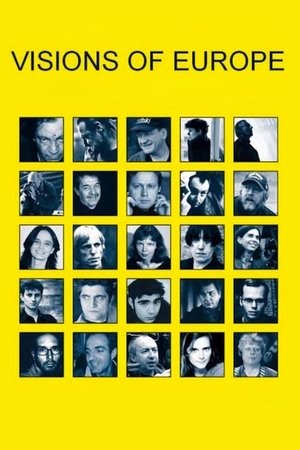
Twenty-five films from twenty-five European countries by twenty-five European directors.
Amidst the paralysis of downtown São Paulo, the film follows the journey of 5 characters to the same place - a common meeting point. The voices and experiences of each reveal something greater: a new perspective on life, movement and art.
Traveling the length and breadth of the country, S. Sukhdev constructs, a panoramic, non-narrated study of Indian life in the late 1960s. Shot across villages, deserts, countryside, and cities, the film observes daily labor, leisure, and movement without commentary, allowing humor, contradiction, and social texture to emerge organically. The result is a sensory encounter with India poised between inherited tradition and accelerating modernity.