A weekly anthology of inspiring stories, featuring the life experiences of famous personalities – and ordinary people – who loved and lost on their way to success.
Tales from the Darkside is an anthology horror TV series created by George A. Romero, each episode was an individual short story that ended with a plot twist. The series' episodes spanned the genres of horror, science fiction, and fantasy, and some episodes featured elements of black comedy or more lighthearted themes.
Almost anything is fair game, from wardrobe malfunctions, wedding bloopers, and sports debacles to out-takes from school plays and funny pet videos. Viewers of all ages will howl with laughter at Life’s Funniest Moments.
Out of the Unknown is a British television science fiction anthology drama series, produced by the BBC and broadcast on BBC2 in four series between 1965 and 1971. Each episode was a dramatisation of a science fiction short story; some were created for the series, but most were adaptations of already published stories. The first three years were exclusively science fiction, but that genre was abandoned in the final year in favour of horror and fantasy. A number of episodes were wiped during the early 1970s, as was standard procedure at the time.
The Brothers García is an American sitcom that premiered in 2000 on Nickelodeon and ended in 2004. It was among the first projects of Sí TV, an effort to produce programming featuring Latino characters, however being aimed at a diverse audience. The series was billed as the first English-language sitcom to have an all Latino cast and creative team. The series aired on the programming block Nick on CBS from September 18, 2004 to September 17, 2005, where the series ended its initial run. Reruns on The N started on April 7, 2008, and ended in May 23, 2008. Similarities to the series could be made to the style of The Wonder Years and Everybody Hates Chris, with an older version of the main character narrating each episode in a witty and sarcastic manner.
An anthology horror drama series centering on different characters and locations, including a house with a murderous past, an asylum, a witch coven, a freak show, a hotel, a farmhouse in Roanoke, a cult, the apocalypse and a summer camp.
Y-Destiny is the story of 7 best friends each of whom has different personalities according to their birthdays and fate leads them to meet their loved ones.
An anthology of 1920s set plays and musicals, transmissioned from 10 September to 10 December 1968 on BBC One.
The intertwined fates of the picture-perfect Richardson family and an enigmatic mother and daughter who upend their lives. Explore the weight of secrets, the nature of art and identity, the ferocious pull of motherhood – and the danger in believing that following the rules can avert disaster.
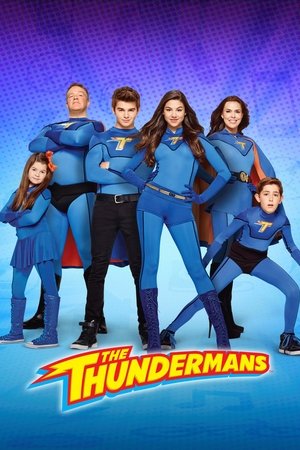
Meet The Thundermans, a typical suburban family that happens to have astounding superpowers. At the center of the action are the 14-year-old Thunderman twins, who share the same bathroom, the same school, and the same annoying little siblings. Their only difference? The sister is a super student with a super sunny disposition who super looks forward to being a superhero someday, and her twin brother is a super villain.
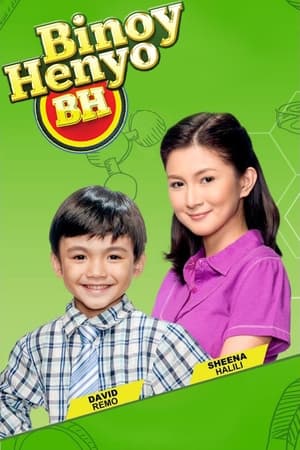
Binoy Henyo or Wonder Kid is a Filipino drama-comedy television series created and developed by Marlon Miguel and produced by GMA Network. The show premiered on July 22, 2013 on the network's pre-primetime slot, replacing Home Sweet Home, and on July 24, 2013 worldwide via GMA Pinoy TV. It stars David Remo as the titular character, with Sheena Halili, Luis Alandy, Nova Villa and Gwen Zamora. Winnie Hollis-Reyes executive produced the series and Albert Langitan directed the show. The series concluded it's nine weeks on September 20, 2013 with the total of 45 episodes and replaced by Prinsesa ng Buhay Ko on its timeslot. The forty-five minute scripted drama centers on the titular character, Binoy, a six-year-old genius boy and his struggles with poverty and his longing for a father figure in his life. The show garnered both high ratings and positive feedback from viewers and critics, from its premiere telecast.
Robert James, an entertainment reporter for a local Los Angeles television station, is handsome, smart and thoroughly modern in his thinking. Recently divorced from the somewhat self-absorbed Neesee, the mother of their endearing 6-year-old son, Robert refuses to buy into the old stereotype that being divorced means you can't get along with the ex.
Rayman: The Animated Series, or The Rayman TV Series, is a French 3-D animated children's television series featuring the French video game hero Rayman. Created by Ubisoft and based on the Rayman adventure game series, the show was originally in French but was dubbed into various languages for foreign countries. Ubisoft was able to produce only four episodes and never managed to broadcast its episodes in the United States.
An anthology series of five stories looking at the lives of a group of friends and their families in London’s West Indian community from the late 1960s to the early 80s.
Kraft Suspense Theatre
The Edwardians is an eight-part miniseries broadcast in 1972–73. An anthology, each 90-minute episode explores influential figure(s) of the Edwardian era: Charles Rolls and Henry Royce; Horatio Bottomley; E. Nesbit; Sir Arthur Conan Doyle; Robert Baden-Powell; Marie Lloyd; Daisy Greville, Countess of Warwick; and David Lloyd George.
An anthology of seven psychological dramas, each with a different cast and crew, exploring deaths in unusual circumstances.
The story of David Hobbs, who has spent the last decade playing the perfect father on one of TV’s biggest sitcoms. But when the series ends and his wife resumes her own television career, he finds himself cast in his most challenging role to date: handling the day-to-day needs of three kids who've grown accustomed to not having him around. David soon learns that playing a dad on TV is child’s play compared to the real thing.
La Riera
Horror Theater Unbalance is a 1973 Japanese Anthology television series created by Tsuburaya and Fuji TV to air on the Fuji TV network on Monday Nights for 13 episodes. Originally started in production in 1969, it was shelved and took years for its airing debut to begin its broadcast, before production was eventually completed at the end of 1972. It was then aired on Fuji TV in 1973.