Megan Carter is a reporter duped into running an untrue story on Michael Gallagher, a suspected racketeer. He has an alibi for the time his crime was allegedly committed—but it involves an innocent party. When he tells Carter the truth and the newspaper runs it, tragedy follows, forcing Carter to face up to the responsibilities of her job when she is confronted by Gallagher.
When a convicted felon fails to return from his prison leave and a young woman is found murdered, forensic psychiatrist Roman Mettler finds himself fighting for his existence. It was him who had composed the report permitting the leave.
In response to a sudden dismissal of staff, workers at a big retail store begin a protest against their employer's oppressive labor policies.
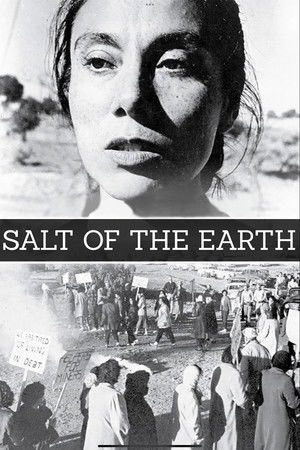
At New Mexico's Empire Zinc mine, Mexican-American workers protest the unsafe work conditions and unequal wages compared to their Anglo counterparts. Ramon Quintero helps organize the strike, but he is shown to be a hypocrite by treating his pregnant wife, Esperanza, with a similar unfairness. When an injunction stops the men from protesting, however, the gender roles are reversed, and women find themselves on the picket lines while the men stay at home.
When she learns she's in danger of losing her visa status and being deported, overbearing book editor Margaret Tate forces her put-upon assistant, Andrew Paxton, to marry her.
What would your family reminiscences about dad sound like if he had been an early supporter of Hitler’s, a leader of the notorious SA and the Third Reich’s minister in charge of Slovakia, including its Final Solution? Executed as a war criminal in 1947, Hanns Ludin left behind a grieving widow and six young children, the youngest of whom became a filmmaker. It's a fascinating, maddening, sometimes even humorous look at what the director calls "a typical German story." (Film Forum)
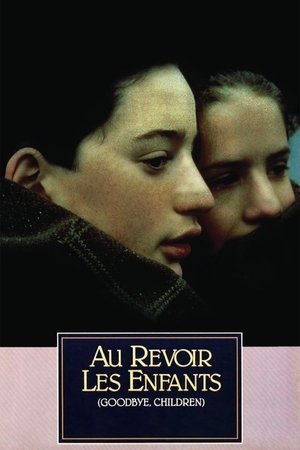
Au revoir les enfants tells a heartbreaking story of friendship and devastating loss concerning two boys living in Nazi-occupied France. At a provincial Catholic boarding school, the precocious youths enjoy true camaraderie—until a secret is revealed. Based on events from writer-director Malle’s own childhood, the film is a subtle, precisely observed tale of courage, cowardice, and tragic awakening.
In 1930s Italy, a wealthy Jewish family tries to maintain their privileged lifestyle, hosting friends for tennis and parties at their villa. As anti-Semitism intensifies under Fascism, they must ultimately face the horrors of the Holocaust.
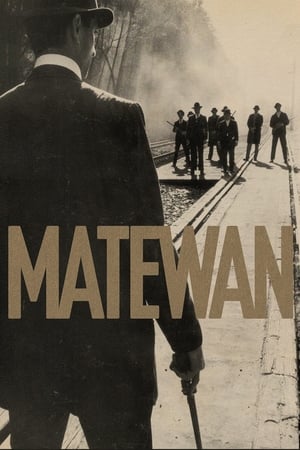
This film takes us into the harsh realm of BC's early coal mines, canneries, and lumber camps; where primitve conditions and speed-ups often cost lives. Then, the film moves through the unemployed' struggles of the '30s, post WWII equity campaigns, and into more recent public sector strikes over union rights.
Like most of the people in her town, Karen Silkwood works at the local nuclear plant producing highly radioactive plutonium. Exposed one day to a lethal dose of radiation, Karen faces the blank walls of corporate indifference and denial. As her illness increases, her protest grows louder and she becomes an obvious danger to the powers that be.
Dramatization of the true story of the so-called Willmar Eight, a group of Minnesota bank workers who braved freezing conditions whilst picketing their branch in a struggle for union rights.
In 1941, the inhabitants of a small Jewish village in Central Europe organize a fake deportation train so that they can escape the Nazis and flee to Palestine.
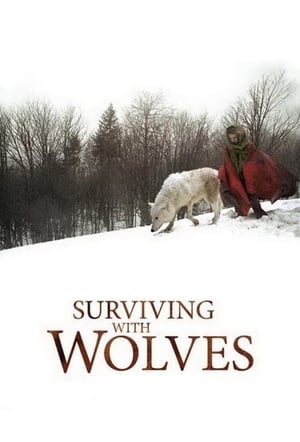
In 1942, the young Jewish girl Misha, her Russian mother Gerusha and her German father Reuven hide from the Germans in a small house in Ardennes, Belgium. Misha is very connected to her mother that advises her that if one day a person comes to her saying "love of my life", she would follow him or her without any question. When her parents are captured by the Nazis, Misha is delivered to a German family and the abusive matriarch gives a bad treatment to the girl. However, she finds support in the family of Ernest and his deranged wife Marthe that supplies groceries to foster family. Misha loves Ernest's dogs and the old man gives a compass to her and tells that her parents have been sent to East to forced labor. When the old couple is denounced for sheltering the girl and arrested by the Germans, Misha flees through the woods heading east. Along her journey seeking out her parents...
Budapest in the thirties. The restaurant owner Laszlo hires the pianist András to play in his restaurant. Both men fall in love with the beautiful waitress Ilona who inspires András to his only composition. His song of Gloomy Sunday is, at first, loved and then feared, for its melancholic melody triggers off a chain of suicides. The fragile balance of the erotic ménage à trois is sent off kilter when the German Hans goes and falls in love with Ilona as well.
When Ruth's husband dies in New York, in 2000, she imposes strict Jewish mourning, which puzzles her children. A stranger comes to the house - Ruth's cousin - with a picture of Ruth, age 8, in Berlin, with a woman the cousin says helped Ruth escape. Hannah, Ruth's daughter engaged to a gentile, goes to Berlin to find the woman, Lena Fisher, now 90. Posing as a journalist investigating intermarriage, Hannah interviews Lena who tells the story of a week in 1943 when the Jewish husbands of Aryan women were detained in a building on Rosenstrasse. The women gather daily for word of their husbands. The film goes back and forth to tell Ruth and Lena's story. How will it affect Hannah?
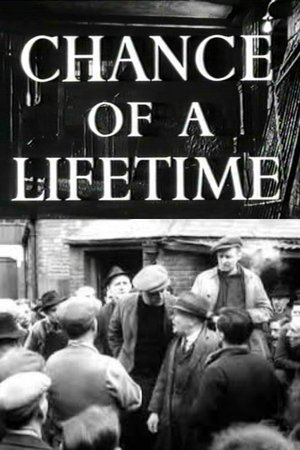
The workers in a small plough factory take over the firm, but when a large order falls through, the old management come back to help out.
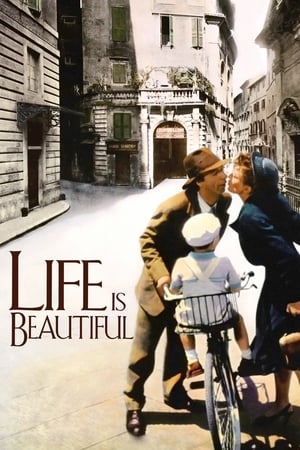
A touching story of an Italian book seller of Jewish ancestry who lives in his own little fairy tale. His creative and happy life would come to an abrupt halt when his entire family is deported to a concentration camp during World War II. While locked up he tries to convince his son that the whole thing is just a game.
Sulan, who works in a factory in the summer of 1978, begins learning photos with other female workers from Seok-yoon, the owner of the photo studio across from the factory. Seok-yoon, who had been closed, began to open his heart to female workers, but began to feel uneasy about the female workers' labor movement.
A biography of Woody Guthrie, one of America's greatest folk singers. He left his dust-devastated Texas home in the 1930s to find work, discovering the suffering and strength of America's working class.
About the refugee Carlos who has just been told he can't stay in Sweden, and about the civil servants handling his case.