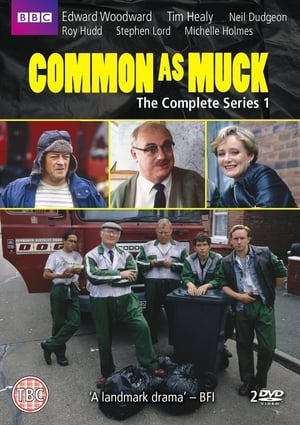
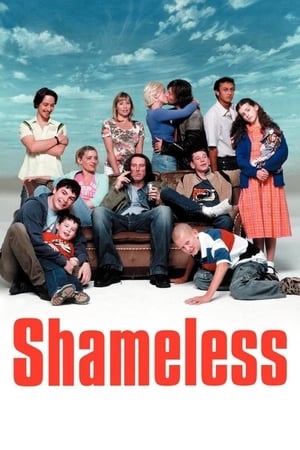
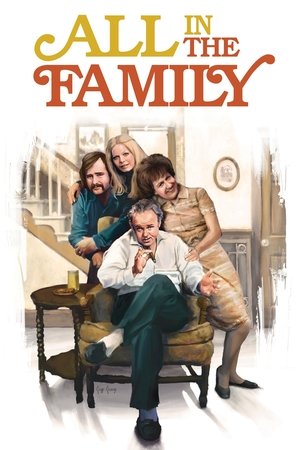
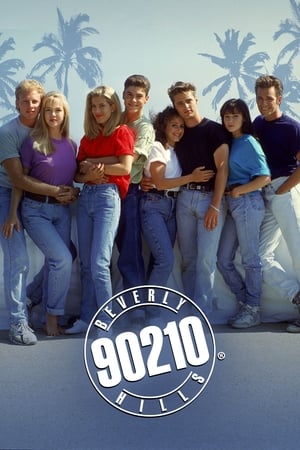
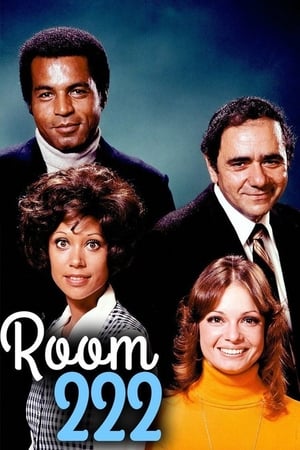
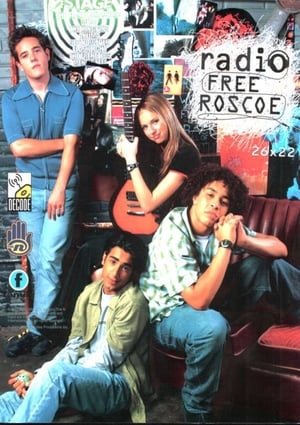
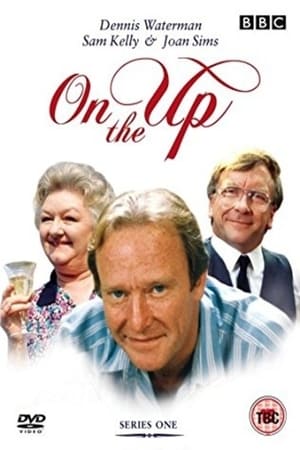
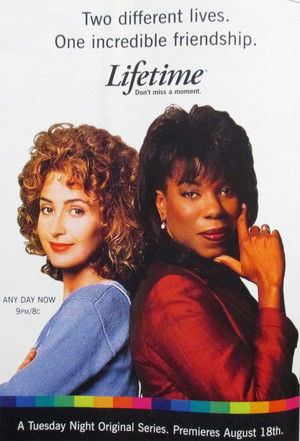
Only Fools and Horses.... Is a British sitcom created and written by John Sullivan. Seven series were originally transmitted on BBC One from 1981 to 1991, with sixteen sporadic Christmas specials aired until 2003. In working-class Peckham in south-east London, ambitious market trader Derek 'Del Boy' Trotter and his younger half-brother Rodney, explore their highs and lows in life, in particular their attempts to get rich. Initially not an immediate hit and receiving little promotion early on, it later achieved consistently high ratings, and the 1996 episode "Time on Our Hands" (originally billed as the series finale) holds the record for the biggest UK audience for a sitcom episode, attracting 24.3 million viewers. The series bears a significant influence on British culture, contributing several words and phrases to the English language.
An inspector from the Educational Rights Protection Bureau (ERPB) who is authorized by the government to use physical intervention and unconventional methods to discipline delinquent students and reform the educational system.
20 tantos
Years after ending a friendship that became intimate, a mercurial doctor and a timid artist grapple with their feelings when they reconnect as adults.
A Different World is a spin-off series from The Cosby Show and originally centered on Denise Huxtable and the life of students at Hillman College, a fictional mixed but historically black college in the state of Virginia. After Bonet's departure in the first season, the remainder of the series primarily focused more on Southern belle Whitley Gilbert and mathematics whiz Dwayne Wayne. The series frequently depicted members of the major historically black fraternities and sororities.
Whatever Happened to the Likely Lads? is a British sitcom which was broadcast between 9 January 1973 and 9 April 1974 on BBC1. It was the colour sequel to the mid-1960s hit The Likely Lads. It was created and written, as was its predecessor, by Dick Clement and Ian La Frenais. There were 26 television episodes over two series; and a subsequent 45-minute Christmas special was aired on 24 December 1974. The cast were reunited in 1975 for a BBC radio adaptation of series 1, transmitted on Radio 4 from July to October that year. In 1976, a feature film spin-off was made. Around the time of its release, however, Rodney Bewes and James Bolam fell out over a misunderstanding involving the press and have not spoken since. This long-suspected situation was finally confirmed by Bewes while promoting his autobiography in 2005. Unlike Bewes, Bolam is consistently reluctant to talk about the show, and has vetoed any attempt to revive his character.
This English follows the East End working-class Garnett family, headed by patriarch Alf, a reactionary working-class man who wields racist and anti-Socialist views. His long-suffering wife Else manages to keep things in control... for the most part. Their progressive daughter Rita lives with them, as does her Irish husband Mike, who, with an array of liberal worldviews, often quarrels with his father-in-law. It inspired the American show "All In The Family" and several other international variations on the same theme.
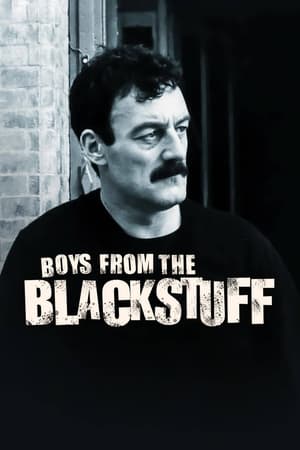
A group of working-class friends finding unconventional ways to win at life in suburban northern England. These lads have dealt, scammed, bribed and conned their way through adolescence, but now, their dealing and stealing is catching up with them and a whole load of trouble is heading their way.
Dinnerladies is a BBC sitcom written by and starring Victoria Wood that chronicles the antics of a group of workers in a canteen in the north of England. Bren tries to maintain a semblance of order in amongst the chaos, while dealing with the canteen supervisor, slightly sex-obsessed cancer sufferer Tony. Dolly and Jean are the bickering menopausal older women, always at odds but best friends beneath it all. Then there's thick-as-two-short-planks Anita, and the terminally uninterested Twinkle, more concerned with having a good time than anything else. Making up the motley crew are military man handyman Stan, all rules and regulations, and ditzy Philippa, who never seems to get anything right.
On a road trip with his spirited mother, a student meets his late father’s elusive best friend, uncovering clues to a past both men seem desperate to keep hidden.
On the Buses is a British comedy series created by Ronald Wolfe and Ronald Chesney, broadcast in the United Kingdom from 1969 to 1973. The writers' previous successes with The Rag Trade and Meet the Wife were for the BBC, but the corporation rejected On the Buses, not seeing much comedy potential in a bus depot as a setting. The comedy partnership turned to a friend, Frank Muir, Head of Entertainment at London Weekend Television, who loved the idea; the show was accepted and despite a poor critical reception became a hit with viewers.
To pay off his family's debt, a gifted taekwondo prodigy becomes the unwitting accomplice of a charismatic, legendary thief.
Life’s good for deliveryman Doug Heffernan, until his newly widowed father-in-law, Arthur, moves in with him and his wife Carrie. Doug is no longer the king of his domain, and instead of having a big screen television in his recently renovated basement, he now has a crazy old man.
Prisoner is an Australian soap opera that is set in the Wentworth Detention Centre, a fictional women's prison.
A bus driver and his sewer worker friend struggle to strike it rich while their wives look on with weary patience. One of the most influential situation comedy television series in American history.
The Royle Family is a British sitcom created by Caroline Aherne and Craig Cash, and produced by Granada Television for BBC Two (series 1) and BBC One (series 2 and 3). It centres on the lives of a television-fixated Manchester family, the Royles, comprising lazy patriarch Jim, his hard-working wife Barbara, their entitled daughter Denise, their put-upon son Antony, and Denise's lad fiancé–later husband–David.
Matador is a Danish TV series produced and shown between 1978 and 1982. It is set in the fictional Danish town of Korsbæk between 1929 and 1947. It follows the lives of a range of characters from across the social spectrum, focusing specifically on the rivalry between the families of two businessmen: The banker Hans Christian Varnæs, an established local worthy, and social climber Mads Skjern, who arrives in town as the series opens. The name Matador was taken from the localised edition of the boardgame Monopoly, also the series' tentative English title. In addition, in contemporary Danish a "matador" is often used to describe a business tycoon, in the series referring to the character of Mads Skjern and his craftiness as a self-made entrepreneur. Directed by famed Danish film maker Erik Balling, Matador was the idea of author Lise Nørgaard who wrote the bulk of the episodes alongside Karen Smith, Jens Louis Petersen and Paul Hammerich. The series is one of the most well-known and popular examples of Danish television and represents the peak of longtime development of Danish TV drama by the public service channel Danmarks Radio. The series has become part of the modern self-understanding of Danes, partly because of its successful mix of melodrama and a distinct warm Danish humour in the depiction of characters, which were portrayed by a wide range of the most popular Danish actors at the time; but also not least because of its accurate portrayal of a turbulent Denmark from around the start of the Great Depression and through Nazi Germany's occupation of Denmark in World War II.
A liberal girl and the conflicting views of an orthodox boy reach a stage in which the issue of divorce is raised.
Jao Sua Song leads the Five Dragon Guild, but family chaos brews. Eldest son Thian faces pressure to inherit power while battling forbidden love.
Seven British construction workers escape Britain's ever growing dole queues and travel to Germany to work on a site in Dusseldorf. We follow their trials and tribulations of working away from home and away from the women they left behind.