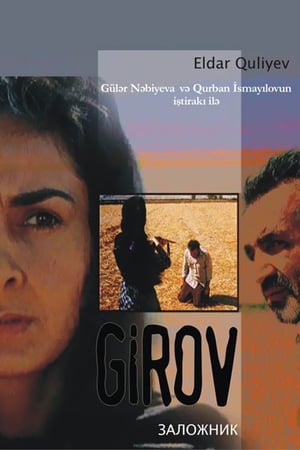
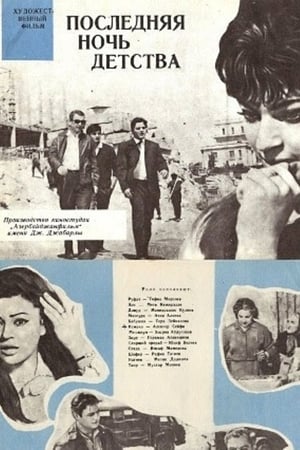
Film exposes the corruption and the decadence of the late Soviet bureaucracy in Azerbaijan SSR through the eyes of a naive Azerbaijani adult man, Hatem.
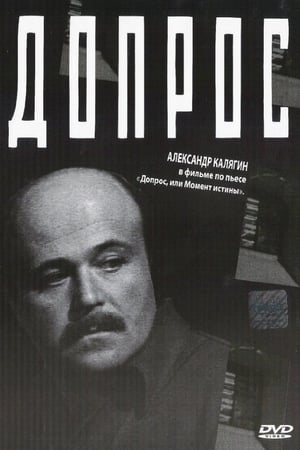
The investigator Seyfi Ganiyev runs the case of an illegal mercery shop's head Murad Abiyev, who confessed in embezzlement of one million rubles from public funds. Abiyev is also accused of the murder of an underage girls that occurred in Riga shortly after Abiyev saw her. He denies his guilt, but does not name the perpetrators though he knows them, despite the fact that he is facing the death penalty. The investigator understands that some high-ranking officials stand behind Abiyev, but he has no proof. Ganiyev seeks to obtain from the prisoner the whole truth to bring the criminals to justice.
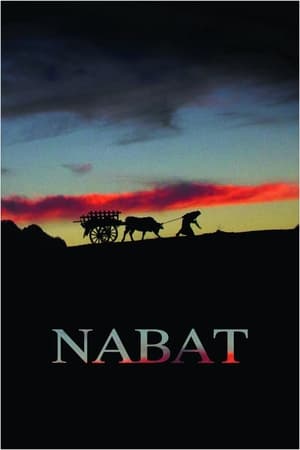
The story is set during an upsurge in the Nagorno-Karabakh conflict and revolves around an old, sick ex-forestry worker and his wife Nabat, whose son has died in battle.
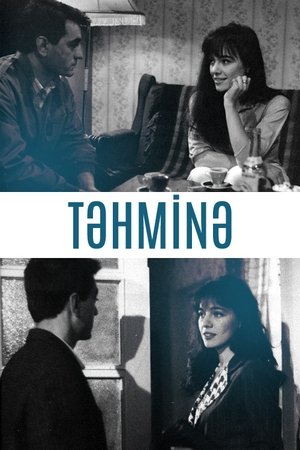
This Azerbaijani romantic drama depicts the love affair between Zaur, a man from an affluent family, and Tahmina, a divorced woman doing her best to survive in a conservative society.
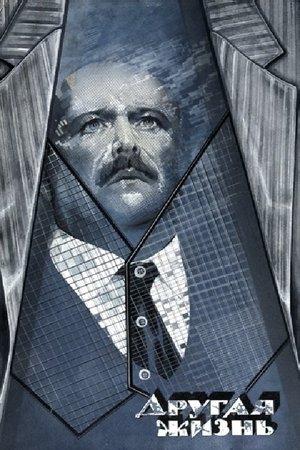
Psychological drama about a university dean who leads a double life.
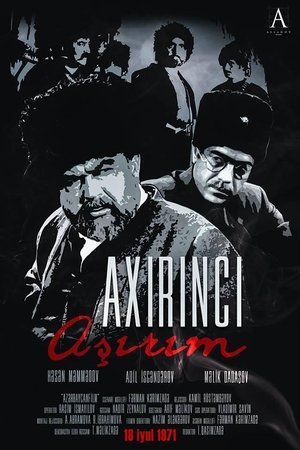
Based on a novel by Farman Karimzade, the movie shows the life in an Azerbaijani village under the Soviet rule in 1930s. Here two former "beys" (land owners) are opposing each other. One is loyal to the ideology of the past and can't reconcile himself to the new power, to second rejects the past and accepts the power of the Bolsheviks, believing that it will establish justice.
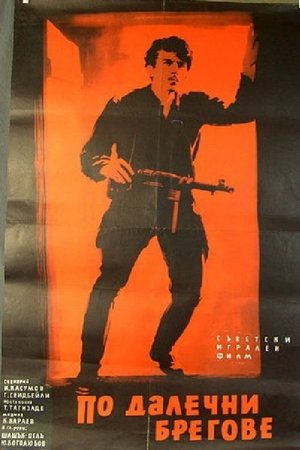
The film portrays the life of the legendary Azerbaijani guerrilla of the Second World War Mehdi Huseynzadeh, who fought the Nazi forces in the present-day Italy and Slovenia, hence the film's name On distant shores referring to the Adriatic Sea.
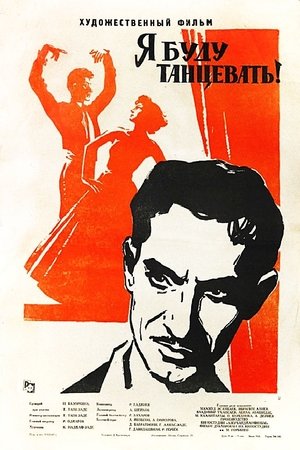
The film is about famous Chechen ballet and folk dancer Mahmud Essembayev's life.
The film is about dramatic revolutionary events happened in 1918 in Baku.
Dedicated to the development of the oil industry of Soviet Azerbaijan in the background of the first half of the twentieth century, including their selfless work in strengthening the economic and military might of the USSR.
Childhood friends Ahmet and Nuri, the sons of poor farmers, grew up together, studied together, and worked together in a factory. Together, they publish the magazine Light, which opposes the colonial policies of foreign capital and military pacts. After their first imprisonment, the friends' paths diverge: Nuri betrays his convictions and joins a reactionary newspaper. His life is now safe, but he finds no joy or peace. Meanwhile, Ahmet, having become one of the main enemies of the reactionaries, attracts more and more patriots to his side.
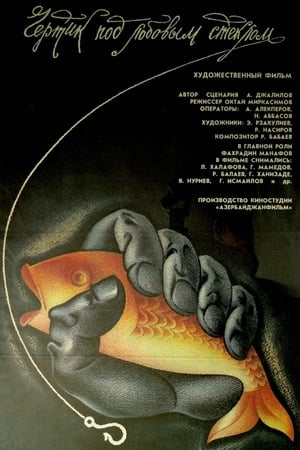
A journalist is investigating a group of poachers who are illegally selling the huge amounts of fish
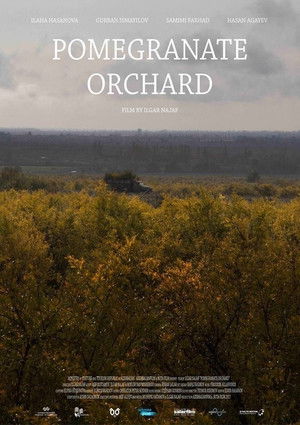
Inspired by Anton Chekhov's The Cherry Orchard, the film follows a prodigal son who returns after 12 years. His reappearance at the family home in rural Azerbaijan significantly alters their way of life.
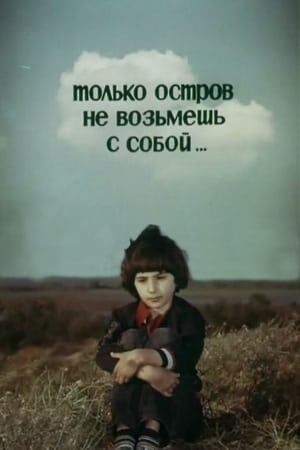
A young girl is trying to save an island which is endangered by nearby construction.
Young Ruslan rows for a team coached by his father Ali, who places many demands upon his son and is continually dissatisfied by his performance. But when tragedy strikes, his father is overcome with emotions he doesn’t know how to deal with. Debut director Asif Rustamov treats the heavy topic with remarkable subtlety and discretion, emphasizing the characters’ carefully elaborated psychology.
Religiously themed early Soviet propaganda film in Azerbaijan against Islam. Unlike earlier propaganda films in the region, this was actually made by an (nearly) all Azeri cast and crew and directed by an Azeri filmmaker that would go on to be famous amongst his own people, despite his early collusion with the new ruling government. At the center of the film is a greed Molla (holy man in Azeri Islam) who has been cheating one of the local peasants for years out of all types of goods and services, and then delighting over his success in an very un-religious, specifically un-Islamic, way. Once the Revolution takes place and the Bolsheviks arrive, the peasant is empowered and realizes the deception on the part of the Molla and takes him to the newly set up "People's Court," where is finds justice and the Molla is punished.
The plot of the film is taken from the legend of the Azerbaijan Maiden Tower. According to legend shirvanshah fell in love with his daughter and wanted to marry her. Learning of this daughter Shirvanshah jumped from the top of the tower in the Caspian Sea.
A soldier recently returned home finds it hard to scrape by, and the girl he loved married.
The film is about the stepmother who tried to be a real mother of a boy. But she could be a real mother only after some difficult events for her and child.
The film is about oilman who had beautiful voice. He didn't attach great importance to his friends is advice to get special music reward. But he changed his attitude to art under the influence of his friends.