A powerful documentary that sheds some light on what really happened at the Fukushima nuclear power plant after the 2011 earthquake and the tsunami that immediately followed. A powerful documentary - shot from March 11th, 2011 through March 2015 - that sheds some light on what really happened at the Fukushima nuclear power plant after the 2011 earthquake and the tsunami that followed.
Follows the deadly Australian bushfires of 2019-2020, known as ‘Black Summer’. Burning is an exploration of what happened as told from the perspective of victims of the fires, activists and scientists.
A documentary that reveals the underbelly of the global aid and investment industry. It's a complex web of interests that span the earth from powerful nations and multinational corporations to tribal and village leaders. This documentary offers unique insights into a multi-billion dollar world by investigating how aid dollars are spent.
The Ashtabula train disaster and bridge collapse was the worst train disaster of the 19th century, claiming the lives of 97 people. The engineering and structural failures that caused the collapse of a bridge that stood for over a decade, also took down the most luxurious train of the day, “The Pacific Express #5.” The accident happened in Ashtabula, Ohio on December 29, 1876 during a raging blizzard, sending the luxury train crashing 70-feet into a river gorge and costing the lives of 97 people. The disaster shocked the nation, yet it’s a story that’s been lost in the pages of history. In a strange twist of fate and intrigue, the bridge disaster also became the backdrop to the still unsolved murder of Charles Collins, the railroad’s chief engineer. It also contributed to the eventual suicide of millionaire Amasa Stone, the president of the railroad and the designer and builder of the bridge.
Survivors, witnesses, and experts tell the story of the tragic fire that engulfed a residential tower block in London — and the investigation that ensued.
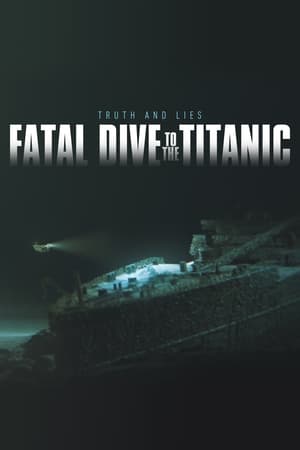
How Stockton Rush's deadly dive to the fabled Titanic wreckage in the Titan submersible became a cautionary tale about the risks of innovation.
Also known as the "Kobe earthquake," the massive earthquake struck the southern Hyogo prefecture on January 17, 1995 and resulted in more than 6,400 casualties. The drama will focus on the reporters working for the Kobe Shimbun, who were determined to keep the newspaper running without interruption, despite the damage suffered during the earthquake. The characters in the drama will all be based on real people, using their real names. Sakurai stars as the photo reporter Tomohiko Mitsuyama, who had joined Kobe Shimbun four years before the earthquake. The show will also have documentary segments such as interviews, including an appearance by Mitsuyama himself.
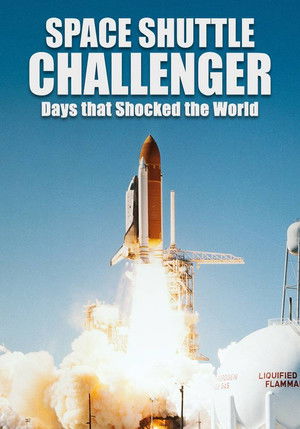
Tragedy struck when the Space Shuttle Challenger disintegrated just 73 seconds into flight. Hours earlier, engineers argued to cancel the launch, amid fears of such a tragedy – so why did it go ahead?
In March 2011, Japan was struck by a catastrophic earthquake, with the devastating tsunami that followed causing a meltdown at the Fukushima nuclear power station that sent ripples of discontent throughout the country. Director Iwai Shunji's Friends after 3.11 (2011) is a deeply personal documentary which uses the statements of some of his closest friends to express the views of a society in a state of political despondency.
A one hour documentary on the aftermath of the 2013 Alberta Floods in the town of High River.
On a stormy day in May of 1889, the South Fork Dam impounding Conemaugh Lake exploded, unleashing a 40-foot wall of water. The bustling industrial city of Johnstown, PA, in the valley below was reduced to a wasteland, killing more than 2,200. This heavily dramatized documentary reviews the factors that led to the dam's collapse, while dramatic reenactments and survivors' personal testimonies detail the horror.
Winsor McCay recreates the sinking of the ocean liner Lusitania by a German U-boat in this propaganda piece designed to stir up anti-German sentiment during World War I.
The sinking of the Lusitania and the impact it had in determining the fate of World War I is widely known. But few know the stories of the passengers and crew aboard the doomed luxury liner, or the German commander who ordered the deadly attack on May 7, 1915. Follow the final voyage of the massive ship, from her celebrated exit from New York's Pier 54 to her 18-minute plummet off the coast of Ireland. Through firsthand accounts, meet the men, women, and children who rode the "Greyhound of the Seas" into a war zone, and into history.
An in-depth look at how Italy's largest cruise ship ran aground off the Italian coast.
In memory of the Japanese earthquake on 3.11, each director presents a 3 minute and 11 second short film in tribute to those who were lost that day.
An engine fire leaves 4,000 passengers stranded at sea without power and plumbing in this wild documentary about the infamous "poop cruise" of 2013.
Members of the Granite Mountain Hotshots battle deadly wildfires to save an Arizona town.
When the space shuttle Challenger blew up in 1986, it was the most shocking event in the history of American spaceflight. The deaths of seven astronauts, including the first teacher in space Christa McAuliffe, were watched live on television by millions of viewers. But what was more shocking was that the cause of the disaster might never be uncovered. The Challenger is the story of how Richard Feynman, one of America's most famous scientists, helped to discover the cause of a tragedy that stunned America.
On April 4, 1979, TWA Flight 841 came within seconds of crashing following a mysterious nosedive. In an exceptional television documentary, CBS News recounted the events of the flight, the official investigation, and the ongoing controversy over where responsibility lay for what took place. Producers Paul and Holly Fine painstakingly reconstructed the flight, reuniting many members of the crew and most of the passengers for a frighteningly realistic re-creation of their shared nightmare. Distinguished by its fairness, thorough attention to detail and reliance on the facts of the incident as reported by the crew and in subsequent investigations, this program is television documentary at its best. For handling an unusual subject in an informative and riveting manner, a Peabody was awarded to CBS News for The Plane That Fell From The Sky.
The film was filmed in Bibi-Heybat, a suburb of Baku (now the capital of Azerbaijan), during a fire at the Bibi-Heybat oil field. The film was shot on 35mm film by the Lumiere brothers in 1898. On August 2 of the same year, a demonstration of Alexander Michon's program took place, which included the film "Fire at an oil fountain in Bibiheybat".