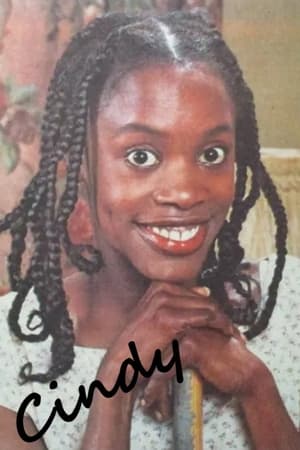
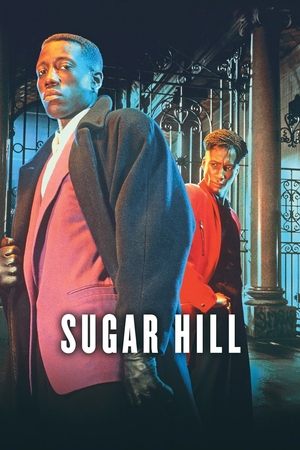
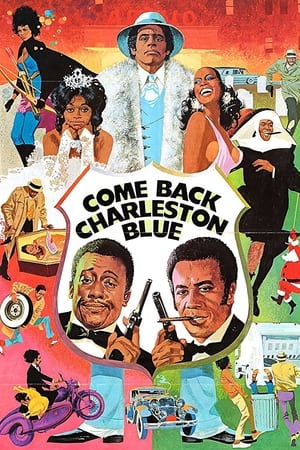
A revisionist twist on Cinderella with an all-black cast and set in Harlem during WWII. Cindy is a country bumpkin who moves from South Carolina to live with her father and his new family. When her stepmother and two stepsisters refuse to take her to the Sugar Hill Ball, her draft-dodging, chauffeur neighbor whips up a little "magic" and at the ball she catches the eye of the richest man in Harlem.
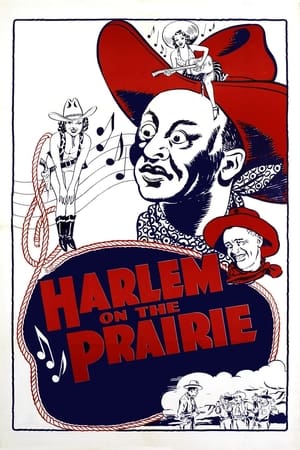
A cowboy helps a pretty young woman find lost gold. Restored by the Academy Film Archive with additional funding from the National Endowment for the Arts.
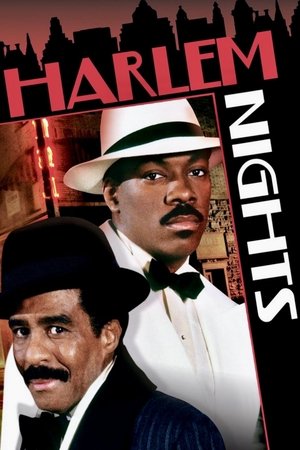
Tommy McCoy and "Dude" Markey are both in love with Harlem singer/dancer Nita. Markey robs a jewelry store and turns the loot over to gang-boss Murray Howard. Later, Markey robs the safe, steals the jewelry, and, in order to get rid of his rival for Nita, frames the robbery on McCoy. The latter's big-brother thinks otherwise and, with Nita's help, sets out to prove it.
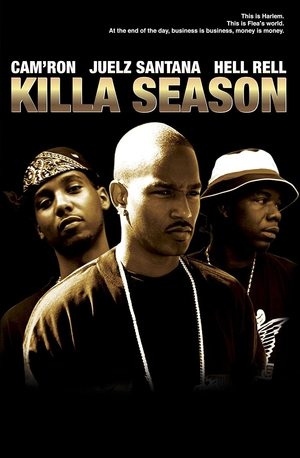
Flea was a basketball player, happy with his subtle hustle, until a Dominican connect introduced him to a new way to spread the work and make money.
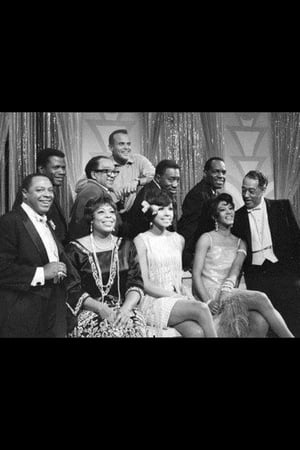
Harry Belafonte and Sidney Poitier travel down memory lane to see what life was like back in the 1920s. Harry Belafonte introduces this musical, written by poet and playwright Langston Hughes, which pays tribute to Harlem in the 1920's. Sidney Poitier provides commentary on the era throughout the program, and George Kirby and Nipsey Russell portray various Harlem characters. Program highlights include: Gloria Lynne singing "Good Ol' Wagon"; Brownie McGhee singing "Let the Deal Go Down"; Diahann Carroll singing "Nobody Knows You When You're Down and Out"; Sammy Davis, Jr., singing and tap dancing to "Doin' the New Low Down"; Joe Williams singing "Nobody Knows the Way I Feel This Morning"; and Duke Ellington performing "Sophisticated Lady" with a sextet.
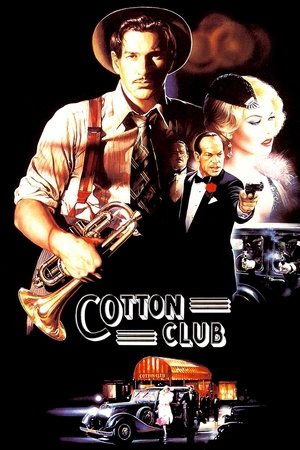
Harlem's legendary Cotton Club becomes a hotbed of passion and violence as the lives and loves of entertainers and gangsters collide.
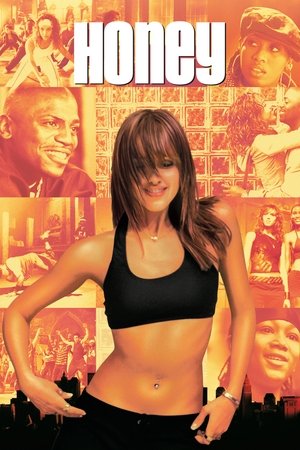
Honey Daniels dreams of making a name for herself as a hip-hop choreographer. When she's not busy hitting downtown clubs with her friends, she teaches dance classes at a nearby community center in Harlem, N.Y., as a way to keep kids off the streets. Honey thinks she's hit the jackpot when she meets a hotshot director casts her in one of his music videos. But, when he starts demanding sexual favors from her, Honey makes a decision that will change her life.
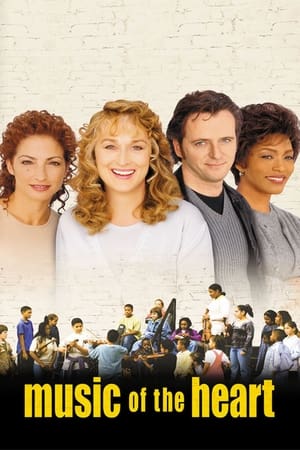
After Roberta Guaspari separates from her husband, she receives encouragement from her mother to take up a job of a music teacher at the Central Park East School in East Harlem.
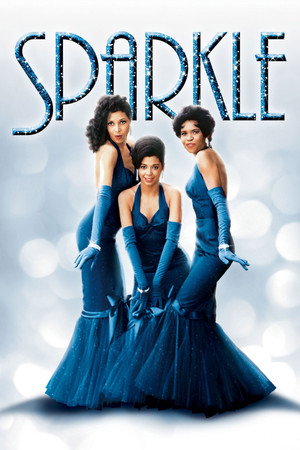
Three sisters start out singing in their church choir in Harlem in the late 1950s and become a successful girl group in the 1960s.
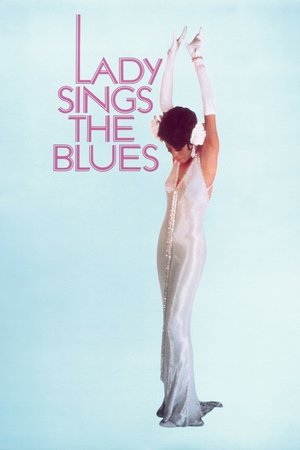
Chronicles the rise and fall of legendary blues singer Billie Holiday, beginning with her traumatic youth. The story depicts her early attempts at a singing career and her eventual rise to stardom, as well as her difficult relationship with Louis McKay, her boyfriend and manager. Casting a shadow over even Holiday's brightest moments is the vocalist's severe drug addiction, which threatens to end both her career and her life.
'Sugar' Ray is the owner of an illegal casino and must contend with the pressure of vicious gangsters and corrupt police who want to see him go out of business. In the world of organised crime and police corruption in the 1920s, any dastardly trick is fair.
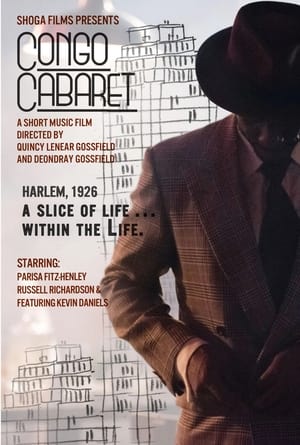
Harlem, 1926. A “sweetman” Zeddy, living off a woman, brings a country girl he’s trying to impress to a gay-owned cabaret. There he meets a friend, Jake, whose girlfriend, Congo Rose, is the singer there. Drama swirls around the characters as Zeddy confronts the cabaret owner, about his sexuality. Congo Rose, seeking to reignite her man’s fading interest, puts on a performance, with her Pansy Dancer, of a Bessie Smith song that seduces the whole room, especially Zeddy.
Set in Harlem in 1947, this film is the story of Grandpa Kansas and his jazz band that set out to become world famous only to be thwarted by jealousy and envy - leaving behind shattered dreams and deep regrets. Though made at NYU, this film was produced under Walt Disney / Hollywood Pictures Discretionary Fund Program, and has won the top prize in multiple film competitions by respected institutions, including The Black American Cinema Society, Black Filmmaker Hall of Fame, and the Atlanta / Image Film Festival.
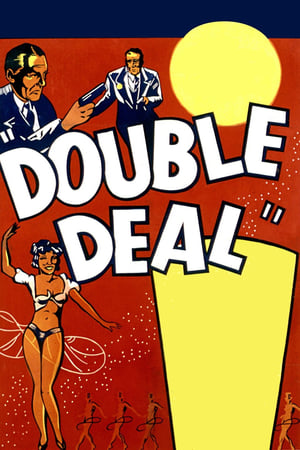
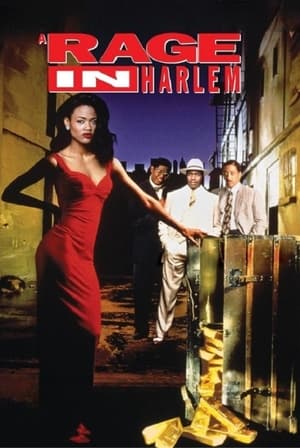
A beautiful black gangster's moll flees to Harlem with a trunkload of gold after a shootout, unaware that the rest of the gang, and a few other unsavoury characters, are on her trail. A pudgy momma's boy becomes the object of her affections and the unlikely hero of the tale.
In the Harlem neighborhood of New York City, the Mafia steps in when a drug dealer quits his partner and brother to lead a straight life with his girlfriend.
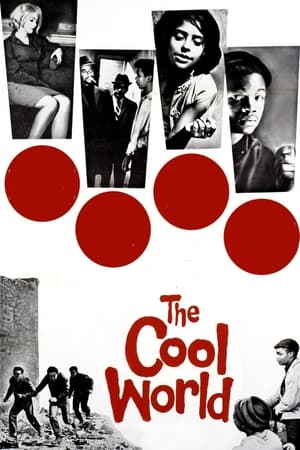
A fifteen-year-old boy wants to buy a gun from an adult racketeer named Priest, in order to become president of the gang to which he belongs, and to return them to active "bopping" (gang fighting) which has declined in Harlem.
A Black night watchman at a chemical factory finds the body of a murdered white woman. After reporting it, he finds himself accused of the murder.
A well-meaning doctor lends his building to a group of neighborhood kids. When the neighbors learn that the kids are members of a tough Harlem gang, they begin to suspect they're up to nefarious deeds.
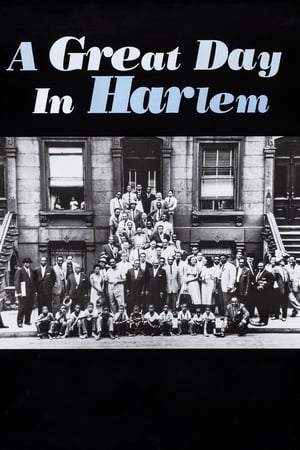
Art Kane, now deceased, coordinated a group photograph of all the top jazz musicians in NYC in the year 1958, for a piece in Esquire magazine. Just about every jazz musician at the time showed up for the photo shoot which took place in front of a brownstone near the 125th street station. The documentary compiles interviews of many of the musicians in the photograph to talk about the day of the photograph, and it shows film footage taken that day by Milt Hinton and his wife.
This was one of a series of concerts James Brown gave at the Apollo in Harlem in March 1968. This performance was broadcast on television as James Brown: Man To Man. In addition to 16 vintage color performances from the concert, this special also includes film of James Brown walking the streets of Harlem and Watts as he speaks to the state of Black America and describes the political and socioeconomic advances that need to be accomplished: “My flight is for Black American to become American.”—James Brown This concert is much a 1968 James Brown time capsule as it is a timeless representation of how music can change the world.