Cinturón de Orión
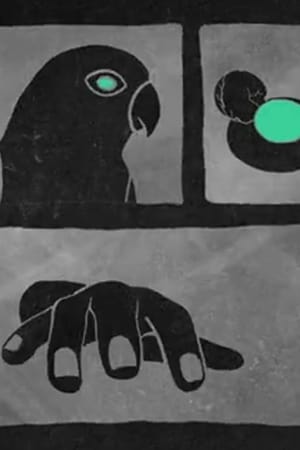
When Joe's racing pigeon dies he turns to the power of Voodoo magic to try and win the next race.
Travelogue of a sex tourist in a land beyond the sea.
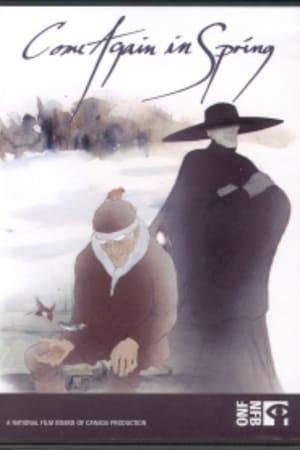
A mysterious girl visits an old man's garden at the edge of a forest and offers him a glowing flower.
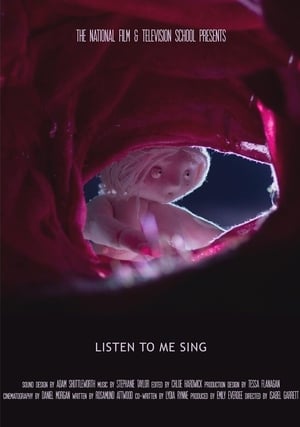
A wild night of drugs and drugged up driving ends in tragedy for three teenage girls that happen to be marionettes.
Letal Morbier
A bitter-sweet comic tale of how the once famous stuntman Larry LeTan tried and failed to discover his place in the modern world.
An ordinary wedding turns into the event of the year when the nun responsible for the music accidentally plays the wrong CD.
An animated interpretation of a rocket voyage to the moon demonstrates the scientific principles at play in theoretical space travel (such as gravity).
Already running late to see his girl, Bimbo the dog finds that his car is seriously ill. Bimbo calls the doctor, who rushes over in his jalopy and revives the sick car with a dose of Texaco Motor Oil.
Along with graphic designer / ad-man Ryohei Yanagihara (柳原良平) and renowned book cover designer Hiroshi Manabe (真鍋博), Kuri formed the Animation Sannin no Kai (Animation Group of Three) in 1960. In doing so the three animators followed the footsteps of the 1950s Sannin no Kai composers (Yasushi Akutagawa, Ikuma Dan & Toshiro Mayuzumi) who banded together to stage performances of their avant-garde style of music. The Animation Group of Three showcased their work at three events: November 1960, December 1962, and April 1963. After 1964 this event expanded into a wider Animation Festival, that annually showcased the experimental fare of such artists as Taku Furukawa, Sadao Tsukioka, Goro Sugimoto, Keiichi Tanaami, and even Osamu Tezuka until 1971. Stamp Fantasy was introduced at the first Animation Group of Three screening on November 26, 1960 in the Sogetsu Art Center.
Satire on those who interrupt other peoples' peace and quiet.
A night in the life of an apartment building features interesting occurrences, as seen through its lit windows.
The original version is monochrome, but in 1967 it was remade in color as an international version. In the international version, the first and twelfth episodes and the fake commercials have been omitted.
The train just runs. A collage of various images, including cel animation and drawing, animates smoke emitted from trains. The title comes from both the sound of a passing train and Pop Art (Yōji Kuri).
The humble line has a life of its own. As it travels from one point to the next it can take whatever route it fancies. With plenty of ups and downs, it encounters all manner of random items and beings as it endlessly travels towards its destination. But when lines become objects it can all go wrong. - MUBI
Experimental short film by Oskar Fischinger
Experimental short film by Oskar Fischinger. Preserved by the Academy Film Archive in 2000.
Pete's parents know exactly what to do when Pete's in a bad mood. They turn Pete into the funniest pizza ever.