In a violent relationship, it takes a mother’s strength to save herself and her children from the man she loved. Once Were Warriors is a violent love story set against a contemporary urban backdrop.
Based on the autobiographical work of New Zealand writer Janet Frame, this production depicts the author at various stage of her life. Afflicted with mental and emotional issues, Frame grows up in an impoverished family and experiences numerous tragedies while still in her youth, including the deaths of two of her siblings. Portrayed as an adult by Kerry Fox, Frame finds acclaim for her writing while still in a mental institution, and her success helps her move on with her life.
In the wake of the loss of his beloved wife, a rural community rallies around a farmer to help him deal with his grief.
A man wakes up in an endless white void, unable to remember how he got there, he soon encounters an A.I. who takes the man through old memories of himself until he realizes his tragic purpose in the white room.
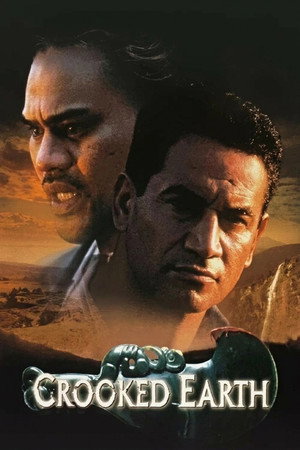
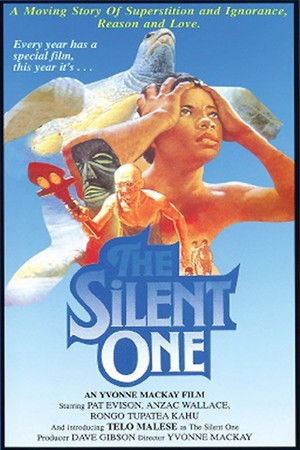
Will Bastion returns home from the army after an absence of 20 years to bury his father, the former chief of thee Maori tribe, Ngati Kaipuku. The eldest son, he is reluctant to inherit his fathers role, so it is taken more willingly by his younger brother, Kahu. Kahu is the leader of a band of drug dealers and trouble-makers who ride horses through the middle of town, wrecking peoples gardens. Under the guise of refusal of a land settlement, Kahu makes a large marijuana deal with some murdering city folk. Will must choose between loyalty for his brother and his father, Maori tradition, and contemporary financial issues.
Lost somewhere over the Pacific in a single-engine Cessna with low fuel, a pilot (Scott Bakula) awaits rescue.
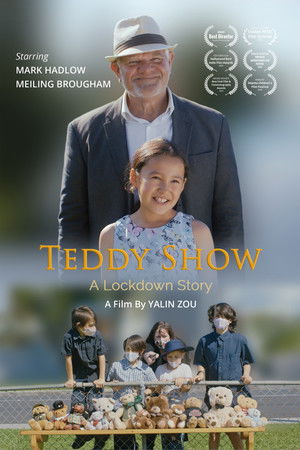
When a recent widow moves to New Zealand from India, she's forced to confront her grief by completing an ordinary ritual in an extraordinary circumstance: quarantine.
In a sweeping tale that spans 1000 years and multiple generations – from the distant past to the 19th century, the present day and a strange, dystopian future – this landmark collection traces the collective histories of Indigenous peoples across Australia, New Zealand and the South Pacific. Diverse in perspective, content and form, traversing the terrain of grief, love and dispossession, they each bear witness to these cultures’ ongoing struggles against patriarchy, colonialism and racism.
In 1916, the New Zealand Government secretly shipped 14 of the country's most outspoken conscientious objectors to the Western Front in an attempt to convert, silence, or quite possibly kill them. This is their story.
In 200,000 years of existence, man has upset the balance on which the Earth had lived for 4 billion years. Global warming, resource depletion, species extinction: man has endangered his own home. But it is too late to be pessimistic: humanity has barely ten years left to reverse the trend, become aware of its excessive exploitation of the Earth's riches, and change its consumption pattern.
A car crash blazes a destructive trail trough the lives of three women – an awkward adolescent, a malevolent femme fatale, and a wheelchair-ridden critic.
Olympic Champion, Kiwi Icon, Tongan Leader, Orphan, Mother...winning was just part of the journey.
Sweet, chubby, theatrical Billy was never cut out to be a farmer or a rugby player, but as the only son of a ‘good kiwi bloke’ he’s obliged to try. The cows are stubborn and the chores gruelling but Billy finds escape in a fantasy world playing Lana, heroine of his favourite TV show Adventures in Space. Not everyone approves of Billy's transformation. On the brink of adolescene, he discovers growing up is more complicated than he could ever have imagined.
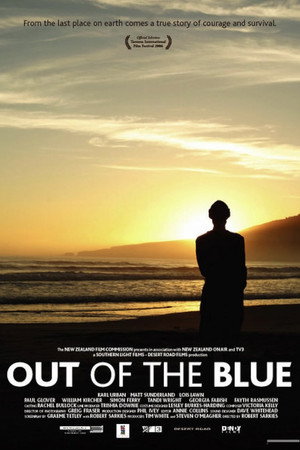
On the wild west coast of Auckland in New Zealand we follow one man's enforced isolation. Pacing the beach, he wonders if those dear to him will ever be seen again.
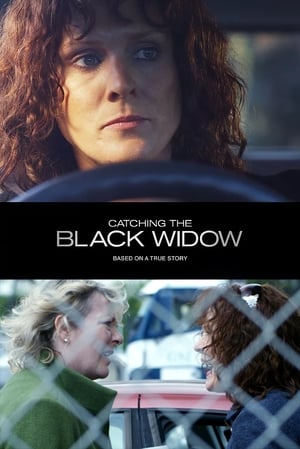
When 19 year old Heather Walsh accepts a job on a farm in the Mangatiti Valley, she has no idea paradise will become a nightmare. This true New Zealand story tells of Heather's horrific ordeal.
A psychologist with unconventional methods challenges a psychiatric hospital and win the admiration and love of a doctor, but he pulls back due to finding that he has only a short time to live. He achieves mixed results with his patients, but ultimately achieves a measure of love and recognition.
Based upon the life of activist and trade unionist (and later MP) Sonja Davies. The film covers her life up to 1956, when, at age 33, she was elected to the Nelson Hospital Board. During this period she develops strong socialist beliefs, marries and divorces, at age 17 trains as a nurse, has a romance (and a child) with an American marine who is killed in WWII action. She battles tuberculosis and marries a former boyfriend when he returns from the war. She becomes part of a women's ill-fated campaign to save the Nelson railway line from closure and begins to be elected to political bodies.
In 1942 Wellington, Daisy Edwards, 16 and pregnant, relies totally on her just-wed husband, Ed, who is little older than she. Ed is suddenly drafted into the army and is to be sent overseas to battle while Daisy is sent to her father in Auckland. When Ed's leave is cancelled at the last minute he takes the dangerous decision to go absent without leave to be with Daisy on her journey home. As a deserter, Ed is hunted, captured and imprisoned. Life inside is bad enought without the worry of what is going on outside. The film is based upon a true story.
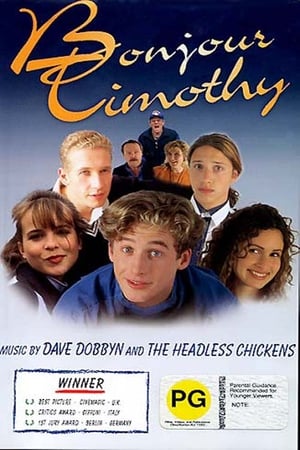
"This singular, bleakly funny, R-rated vision of Kiwi life clinches King's position as the most distinctive new voice in NZ film, as insistent and inescapable as The Warehouse jingle." - New Zealand International Film Festival director Bill Godsen. Made at the beginning of the digital revolution, this micro-budget feature went on to win several awards and be selected for major Fests incl. Toronto, Locarno, Edinburgh, and Melbourne.
The 2005 discovery of a cannonball, buried for 138 years in a paddock, throws Waimate into turmoil. It is all the Maori locals need to confirm their long-held belief that they were forcibly removed from their tribal lands, in a bloody 1866 battle. The hotly contested claim eventually ends up in the District Court and on the lens of cameraman Dave who captures all the arguments, frauds and forgeries of the townspeople, in a cinema verité mockumentary style.