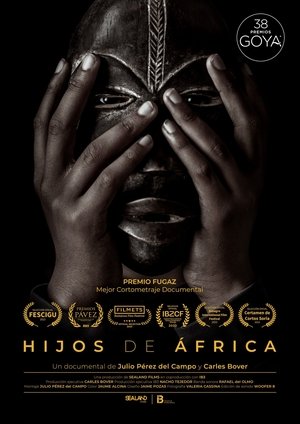
Hijos de África
After casting painter and video artist Mania Akbari as the central figure of his groundbreaking Ten (2002), and then witnessing her outstanding debut as a feature film director in 20 Fingers (2004), Abbas Kiarostami urged her to direct a sequel to the film. In Dah be alaveh Chahar (10 + 4), though, circumstances are different: Mania is fighting cancer. She has undergone surgery; she has lost her hair following chemotherapy and no longer wears the compulsory headscarf; and sometimes she is too weak to drive. So the camera follows her to record conversations with friends and family in different spaces, from the gondola she had famously used in her first feature to a hospital bed.
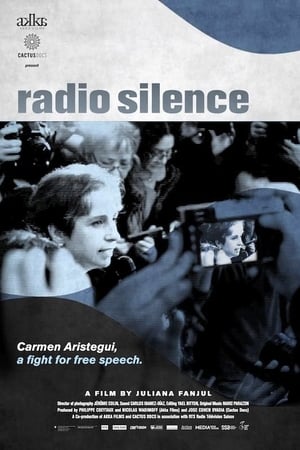
Mexico, March 2015. Carmen Aristegui, incorruptible journalist, has been fired from the radio station where she has worked for years. Supported by more than 18 million listeners, Carmen continues her fight. Her goal: raising awareness and fighting against misinformation. The film tells the story of this quest: difficult and dangerous, but essential to the health of democracy. A story in which resistance becomes a form of survival.
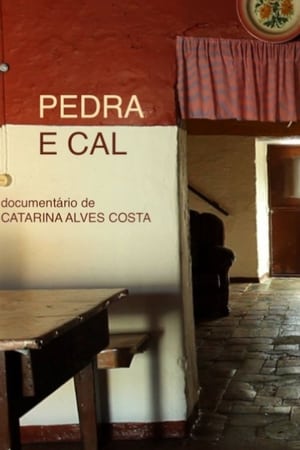
A film about rural houses in the interior of the Algarve, showing the relationship between the present and memories evoked in the intimacy of the home. Working architecture from the "social imaginary", focusing on how homes were and are lived.
Throughout the Islamic world, each year hundreds of women are shot, stabbed, strangled or burned to death by male relatives because they are thought to have “dishonoured” their families. They may have lost their virginity, refused an arranged marriage or left an abusive husband. Even if a woman is raped or merely the victim of gossip, she must pay the price. Crimes of Honour documents the terrible reality of femicide – the belief that a girl’s body is the property of the family, and any suggestion of sexual impropriety must be cleansed with her blood. We meet women in hiding from their families, a brother who describes his reasons for killing the sister he loved, and a handful of women who have committed themselves to the protection of young women in danger of losing their lives.
Jillian Michaels Killer Buns & Thighs promises to deliver with three fat-blasting booty sculpting workouts that will get you results fast! These 30-minute workouts range in difficulty level in order to provide something for everyone from beginners to the most advanced athletes.
For Barbara Figueroa
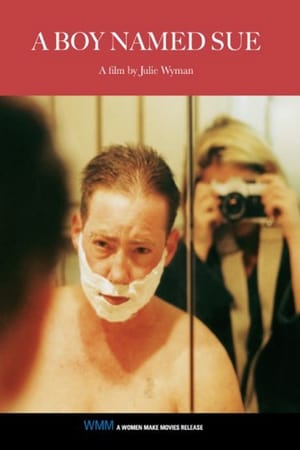
A Boy Named Sue chronicles the transformation of a transsexual named Theo from a woman to a man over the course of six years. Following Theo's physiological and psychological changes during the process, as well as their effects on his lesbian lover and community of close friends, A Boy Named Sue tells a story about gender identity, relationships, and how even things that seem permanent can change.
Women, trans and cis, and transvestites talk about their situation and sexwork in Germany.
Documentary about women without papers, living in Germany and working as maids.
Five women, members of the Sans Papiers, talk about the history and reasons for founding the organisation, as well as their most important demands, like getting permits of residence for refugee women so they don't depend on their husbands' status.
Menhaden: The Most Important Fish in the Bay examines the role of a little-known, oily, little fish in the Chesapeake Bay. From its original concept as a classic man-versus-environment story, the film evolved to reflect the complexity of sustaining a menhaden fishery that many diverse interests depend on. The outcome: a story that seamlessly weaves together different perspectives on the menhaden fishing industry and its culture utilizing engaging personal vignettes, scientific data and creative visual storytelling techniques. Techniques include archival footage blended with cinematic live-action footage, musical performances and original, handmade animations.
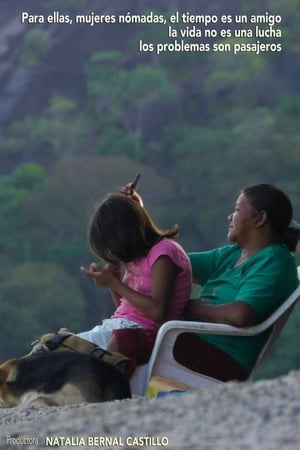
María is an Amorúa girl; an indigenous group that traveled the savannas of Orinoquía as nomads. She lives with her grandmother Matilde, her sister diana and her cousins in Puerto Carreño, in the Colombia-Venezuela border. The amorúa are considered wild and are not literate. Matilde wants her granddaughters to learn to write and read to live better in this town of "rational whites" as they call us. The director follows María's life for 8 years from her childhood to her adolescence and invites her to travel the places her grandma did as a nomad.
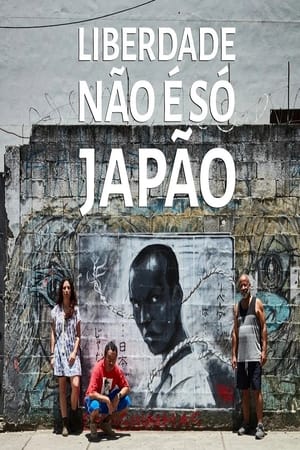
Liberdade Não é Só Japão
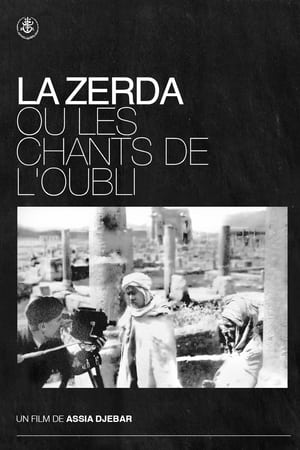
“La Zerda and the songs of oblivion” (1982) is one of only two films made by the Algerian novelist Assia Djebar, with “La Nouba des femmes du mont Chenoua” (1977). Powerful poetic essay based on archives, in which Assia Djebar – in collaboration with the poet Malek Alloula and the composer Ahmed Essyad – deconstructs the French colonial propaganda of the Pathé-Gaumont newsreels from 1912 to 1942, to reveal the signs of revolt among the subjugated North African population. Through the reassembly of these propaganda images, Djebar recovers the history of the Zerda ceremonies, suggesting that the power and mysticism of this tradition were obliterated and erased by the predatory voyeurism of the colonial gaze. This very gaze is thus subverted and a hidden tradition of resistance and struggle is revealed, against any exoticizing and orientalist temptation.
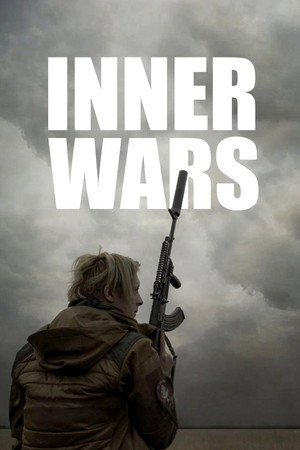
Since the uprising of a pro Russian insurgency in eastern Ukraine in 2014, hundreds of women joined the army. Only a few made it to the front line. Filmmaker Masha embeds herself in the war zone to follow the daily life of three of them. By sharing the intimacy of these fighters, Masha soon becomes a victim of this brotherhood conflict jeopardizing this film and her life.
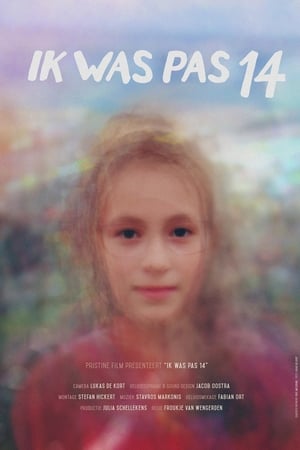
Filmmaker Froukje van Wengerden’s 86-year-old grandmother shares a powerful memory from 1944, when she was just 14. As her story unfolds, we see a group of contemporary 14-year-old girls. Their procession of portraits permits the spectator to see simultaneously forward and back, into the future and towards the past. A miraculous testimonial that uses eye contact to focus the viewer inward and evoke unexpected emotions.
Chuck Close, an astounding portrait of one of the world's leading contemporary painters, was one of two parting gifts (her second is a film on Louise Bourgeois) from Marion Cajori, a filmmaker who died recently, and before her time. With editing completed by filmmaker Ken Kobland, Chuck Close lives the life and work of a man who has reinvented portraiture. Close photographs his subjects, blows up the image to gigantic proportions, divides it into a detailed grid and then uses a complex set of colors and patterning to reconstruct each face.
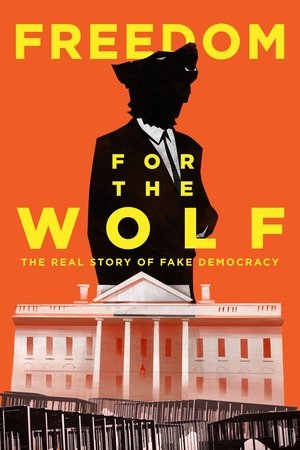
The Real Story of Fake Democracy. Filmed over three years in five countries, FREEDOM FOR THE WOLF is an epic investigation into the new regime of illiberal democracy. From the young students of Hong Kong, to a rapper in post-Arab Spring Tunisia and the viral comedians of Bollywood, we discover how people from every corner of the globe are fighting the same struggle. They are fighting against elected leaders who trample on human rights, minorities, and their political opponents.
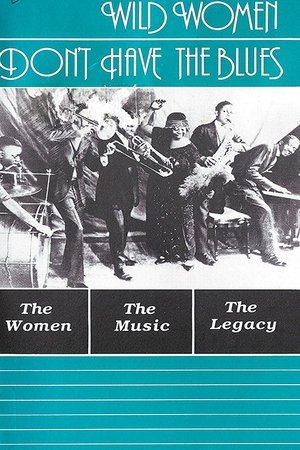
Recaptures the lives and times of Ma Rainey, Bessie Smith, Ida Cox, Alberta Hunter, Ethel Waters, and the other legendary women who made blues music a vital part of American culture. The film brings together for the first time dozens of rare, classic renditions of the early blues.