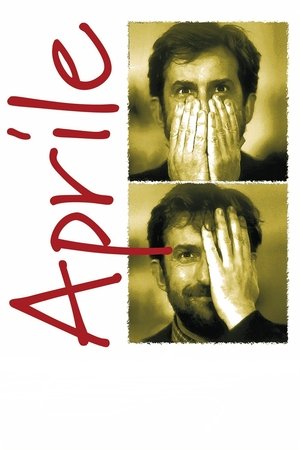
Nanni Moretti takes another look at the ebbs and flows of life in April 1996, as he becomes a father for the first time and seems unable to focus on his documentary about the upcoming national elections.
Nanni Moretti recalls in his diary three slice of life stories characterized by a sharply ironic look: in the first one he wanders through a deserted Rome, in the second he visits a reclusive friend on an island, and in the last he has to grapple with an unknown illness.
Manolito Espinberg: une vie de cinéma
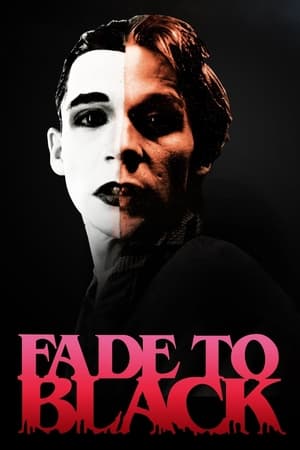
A shy, lonely film buff embarks on a killing spree against those who browbeat and betray him, all the while stalking his idol, a Marilyn Monroe lookalike.
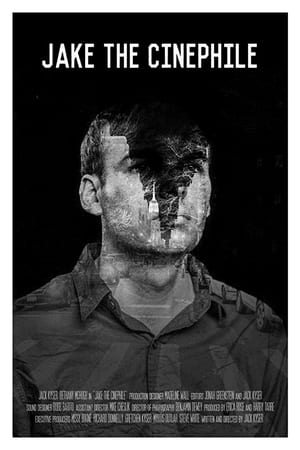
Jake the Cinephile is the story of a young film fanatic who, fed up with the rowdy behavior and disrespectful etiquette of movie theater audiences, decides to abandon the cinema and take a stab at an actual relationship with a young woman.
Puta y amada is a comedy that narrates the constant ruptures and reconciliations of Marcos, a film director who is going through a creative crisis, and Adrián, a pop music composer. Both Marcos and his two friends, Zaida and Julia (with whom he shares his love for cinema), embark on a series of superficial relationships, which will make them move from simple selfishness to the revelation and awareness of the loved one, in this moral tale about the end of youth and the desidealization of the world.
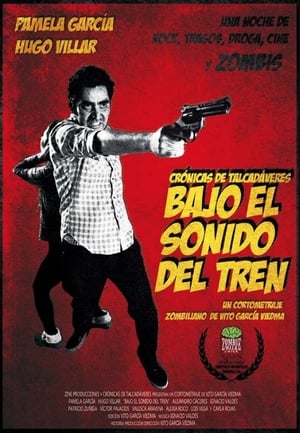
In a bar, there is a table where there is a lonely woman who spends her sorrows with a drink. On the other hand we see the bar of the room, where there is a man that does not stop talking to his companion. This man is under drugs influence and his knowledge in cinema will make him go in a non-stop talking .The lives, both of him, and the woman at the table, will intersect in a night where the zombies will begin to appear in the place
When Isabelle and Theo invite Matthew to stay with them, what begins as a casual friendship ripens into a sensual voyage of discovery and desire in which nothing is off limits and everything is possible.
This documentary about the culture of intense cinephilia in New York City reveals the impassioned world of five obsessed movie buffs. These human encyclopedias of cinema see two to five films a day, and from 600 to 2,000 films per year. This is the story of their lives, their memories, their unbending habits and the films they love.
A documentary on the Z Channel, one of the first pay cable stations in the US, and its programming chief, Jerry Harvey. Debuting in 1974, the LA-based channel's eclectic slate of movies became a prime example of the untapped power of cable television.
Three cinephile university students have a go at making their own Super-8 film.
Three film critics, who hate each other, get together to chat about a topic that concerns art and the media, The violence". As opinions about great exponents of violent cinema emerge, the real personalities of these three critics will also emerge.
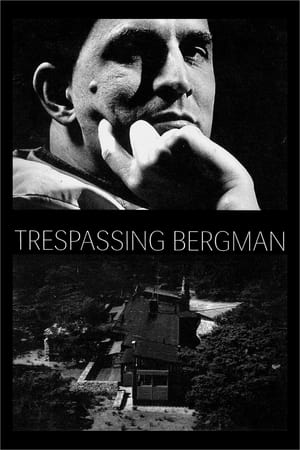
In the sixties, Swedish filmmaker Ingmar Bergman (1918-2007) built a house on the remote island of Fårö, located in the Baltic Sea, and left Stockholm to live there. When he died, the house was preserved. A group of very special film buffs, came from all over the world, travel to Fårö in search of the genius and his legacy. (An abridged version of Bergman's Video, 2012.)
A Finnish man goes to the city to find a job after the mine where he worked is closed and his father commits suicide.
Nikander, a rubbish collector and would-be entrepreneur, finds his plans for success dashed when his business associate dies. One evening, he meets Ilona, a down-on-her-luck cashier, in a local supermarket. Falteringly, a bond begins to develop between them.
It's Ted the Bellhop's first night on the job...and the hotel's very unusual guests are about to place him in some outrageous predicaments. It seems that this evening's room service is serving up one unbelievable happening after another.
A man with a low IQ has accomplished great things in his life and been present during significant historic events—in each case, far exceeding what anyone imagined he could do. But despite all he has achieved, his one true love eludes him.
Since they were both five, Ryosuke has been stalked by Momoko - the ugliest girl in the village. Her love for Ryosuke is so boundless that she has her face surgically altered to suit his taste - but still he wants nothing to do with her. Ryosuke goes in for fleeting romance - for example, with the girlfriend of a gangster boss. But when he finds out about their affair, he has Ryosuke's little finger hacked off. Magically, the finger falls into Momoko's hands, and she uses it to clone Ryosuke, so she can finally have him (or almost him) for herself. And this is just the first five minutes of Lisa Takeba's short-but-powerful feature debut. Just like in her previous short films, the director - who cut her teeth in the advertising world and as the writer of a video game - throws a lot of genres and techniques into the mix: from science fiction to gangster films, from hospital eroticism to animation. Hectic and absurd, but with its heart in the right place. © IFFR
Mueller is a young and unsuccessful actor who has one big problem. He does not have time. He does not have time for his little daughter Elina and he does not have time for Petra who actually just wanted to make an interview with his room-mate Willy. Mueller is busy, always busy in every kind of situation. All his problems seemed to be solved when he realizes that Willy has invented a time-machine. Everything could be fine now, if just Mueller had listened better to Willy's warnings about the rules of time travelling.