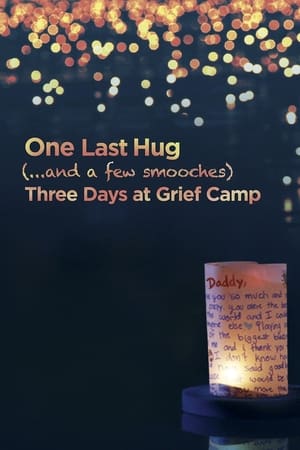
"One Last Hug" chronicles a three day summer camp for children learning to cope with the death of a loved one. With the guidance of trained professionals, grieving children as young as seven years old learn that their feelings are normal, and that by talking about them they can begin to heal. A testament to the healing power of shared sorrow, One Last Hug shows the often-unseen and particular experience of children's grief.
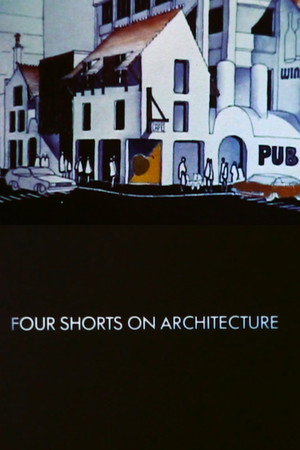
A visual essay on contemporary Kiwi architecture.
Short film on the cattle industry and movement of cattle along the production line.
Faces pass by in quickly edited, split-screen recordings. A 'structuralist' film in which the film material itself plays an important role. Grain, scratches and flickering give the film texture. The music is by Steve Reich.
Why are illegal abortions more accessible in Poland than legal ones in South Africa? This documentary feature explores and contrasts changes in Poland and South Africa regarding abortion laws and their impact on the lives of women. In the 90's, Poland banned abortion due to the increasing influence of the Catholic Church after the fall of communism; around the same time South Africa legalized it, reforming the health system after the fall of apartheid. The film reveals how the legal status of women is a direct result of the silencing or empowering of women's voices. In the Polish society and media, women's perspectives were made invisible; in South Africa, on the other hand, they were invited to give public hearings in the parliament about problems in the realm of reproduction.
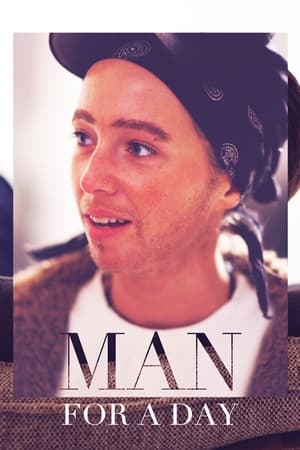
Gender activist Diane Torr’s worldwide appearances and workshops are now legendary. For the past thirty years, the main focus of this performance artist’s work has been an exploration of the theoretical, artistic as well as the practical aspects of gender identity. Katarina Peters’ documentary observes a Diane Torr workshop in Berlin in which a group of open-minded women come together to discover the secrets of masculinity. What makes a man a man and a woman a woman? Precisely when and where is gender identity formatted? How much is nature and how much nurture? Each of Torr’s workshops represents an open-ended laboratory experiment in social behaviour in which the question is posed: is it possible to deliberately play out different roles and create a space in which to transgress both masculine and feminine characteristics?
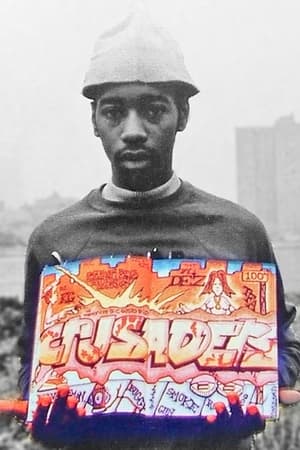
An incredible historic document showcasing the roots of Old School Hip Hop movement with all its disciplines involved: Djing, Mcing, Breakdancing, and Graffiti. Featured in the "NYC: Urban Image" show at MoMA PS1 1983.
The life and the work of José Leonilson, one of the most important Brazilian artists of the 80's, who died of AIDS at the age of 36 in 1993. The video explores Leonilson's poetic and intimate universe through his work and through fragments of a diary he recorded between 1990 and 1993, where he talks about art, sex, memory and poetry.
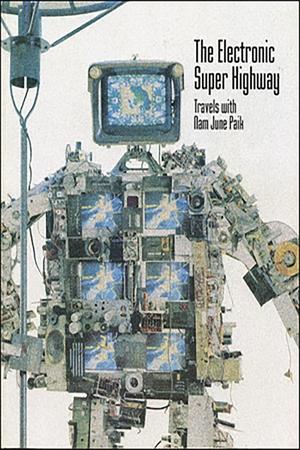
A portrait of Nam June Paik produced as a 'video catalog' for the exhibition 'The Electronic Super Highway', which premiered at The Museum of Art in Fort Lauderdale, Florida, with recent installations, historical background and interviews.
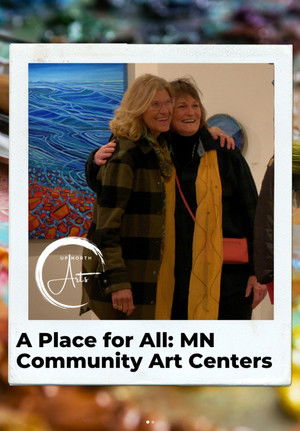
Explore the boundless nature of creativity in Central Minnesota. From local galleries to hands-on workshops, see how Community Art Centers create a unique environment where everyone is invited to participate, create, and belong. This is the first installment of Lakeland PBS's "Up North Arts"
Identical twins Kate and Chris Lockhart plot to be the other sister – at Kate’s office and Chris’ school – and take on planning their sister’s Christmas events. One rule, though: no romance.
An obsessive fan rescues a famous musician from a car crash, then takes her to his secluded lighthouse.
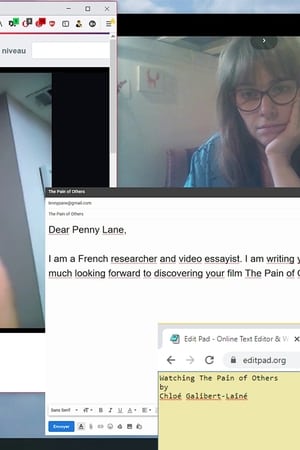
In this deeply personal video diary, a young researcher tries to make sense of her fascination for the film "The Pain of Others" by Penny Lane. A deep dive into the discomforting world of YouTube and online conspiracies, that challenges traditional notions of what documentary cinema is, or should be.
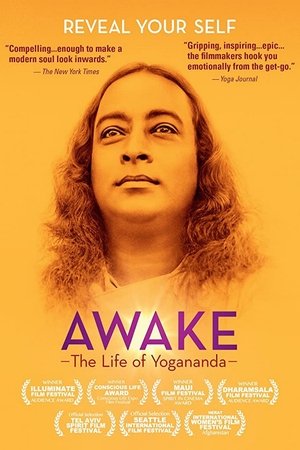
An unconventional biography by Oscar nominee Paola di Florio and Sundance winner Lisa Leeman about Hindu mystic Paramahansa Yogananda who brought yoga and meditation to the West in 1920 and authored the spiritual classic "Autobiography of a Yogi," which became the go-to book for seekers from George Harrison to Steve Jobs.
In this meditative and elegiac portrait, Senegalese filmmakers Khady and Mariama Sylla record the tales of their grandmother, a griot (storyteller) who is one of the last repositories of their culture’s oral tradition.
The result of a two-year collaboration with the fishing community of Urk, a former island in the Netherlands. In the previous century, the Dutch closed off and drained their inland sea to reclaim new farmland. The island of Urk, situated in the middle of the sea, suddenly found itself embraced by land. Its inhabitants were expected to switch from fishing to farming, but the fishermen managed to continue their trade. They found new fishing grounds, far out in the North Sea.
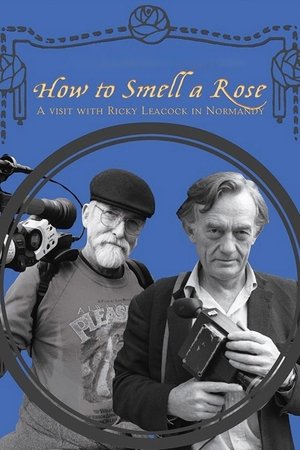
In the year 2000, Les Blank, along with co-filmmaker Gina Leibrecht, visited Richard Leacock (1921-2011) at his farm in Normandy, France and recorded conversations with him about his life, his work, and his other passion: cooking! With the flair of a seasoned raconteur, Leacock recounts key moments in his seventy years as a filmmaker and the innovations that he, D.A. Pennebaker, Albert Maysles and others invented that revolutionized documentary filmmaking, and explores the mystery of creativity. With the passing of both Blank and Leacock, the documentary is a moving insight into the lives of two seminal figures in the history of film.
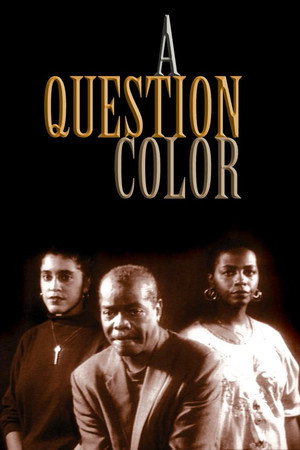
A Question of Color confronts a painful and long taboo subject: the disturbing feelings many African Americans harbor about themselves and their appearance. African American filmmaker Kathe Sandler digs into the often subconscious world of "color consciousness," a caste system based on how closely skin color, hair texture and facial features conform to a European ideal.
Are tourists destroying the planet-or saving it? How do travelers change the remote places they visit, and how are they changed? From the Bolivian jungle to the party beaches of Thailand, and from the deserts of Timbuktu, Mali to the breathtaking beauty of Bhutan, GRINGO TRAILS traces stories over 30 years to show the dramatic long-term impact of tourism on cultures, economies, and the environment.
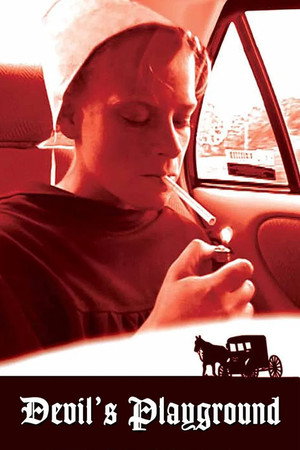
The Devil's Playground is a fascinating and moving documentary about a little-known aspect of Amish life. Amish are not permitted to join the church until their late teens, and have to do so of their own volition. The film explores Rumspringa, wherein young Amish are given the opportunity to explore the "English" way of life.