This thorough documentary covers the life of President Theodore Roosevelt, from his birth until his death.
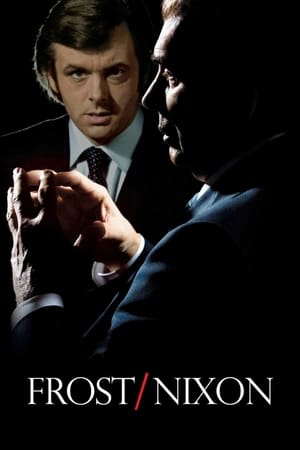
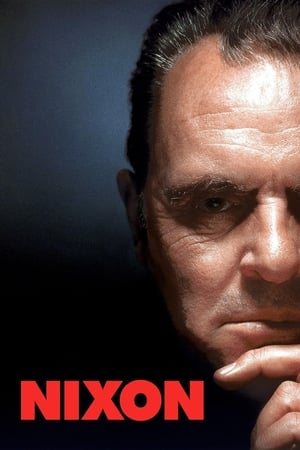
The enigmatic nature of the Nixon presidency combined comparatively progressive legislative initiatives with a flagrant abuse of presidential power and the public trust. His achievements in expanding peaceful relations with China and the Soviet Union stand in stark contrast with his continuation of the war in Vietnam. Finally brought down by scandal and duplicity, his administration did much to erode the citizenry's faith in government.
This short follows the political career of Theodore Roosevelt, beginning in 1895, when he was appointed police commissioner of New York City. In 1897 he was appointed Assistant Secretary of the Navy. His charge up San Juan Hill during the Spanish-American War in 1898 is re-created. He becomes vice president in March 1901 and assumes the presidency when William McKinley is assassinated six months later. According to the narrator, Roosevelt refused to be beholden to political bosses, doing what he believed to be right for the American people.
How does a nation slip into war? Dateline-Saigon profiles the controversial reporting of five Pulitzer Prize-winning journalists -The New York Times' David Halberstam, the Associated Press' Malcolm Browne, Peter Arnett, and legendary photojournalist Horst Faas, and UPI's Neil Sheehan -- during the early years of the Vietnam War as President John F. Kennedy is secretly committing US troops to what is initially dismissed by some as 'a nice little war in a land of tigers and elephants.' 'When the government is telling the truth, reporters become a relatively unimportant conduit to what is happening,' Halberstam tells us. 'But when the government doesn't tell the truth, begins to twist the truth, hide the truth, then the journalist becomes involuntarily infinitely more important.'
The true story of Bill and Hillary Clinton's political alliance, business partnership, and unique marriage. Biographers, confidants, Democrats and Republicans discuss the political dynasty of Bill and Hillary Clinton.
A futuristic film about a crisis near the brink of war after three leaders are kidnapped by a North Korean nuclear submarine in a coup d’état during a summit between the two Koreas and the United States.
John Jones contemplates how fortunate he and his family are in America, where no wartime bombing occurs.
Tour of the White House with Mrs. John F. Kennedy was a television special featuring the First Lady of the United States, Jacqueline Kennedy on a tour of the recently renovated White House. It was broadcast on Valentine's Day, February 14, 1962, on both CBS and NBC, and broadcast four days later on ABC. The program was the first ever First Lady televised tour of the White House, and has since been considered the first prime-time documentary specifically designed to appeal to a female audience.
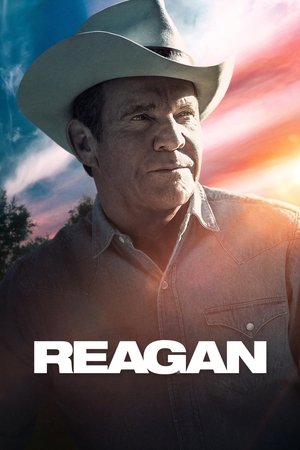
Told through the voice of former KGB agent Viktor Petrovich, whose life becomes inextricably linked with Ronald Reagan's when Reagan first caught the Soviets’ attention as an actor in Hollywood, Reagan overcomes the odds to become the 40th president of the United States.
This film was shot entirely at the Gettysburg National Military Park, where the decisive battle of the American Civil War was fought. Leslie Nielsen narrates the story while contemporary songs and the sounds of battle are heard in the background. The sites of the various engagements, the statues of the leaders of the Northern and Southern troops, and the battlefield cemetery are featured. President Abraham Lincoln's Gettysburg Address is read at the end.
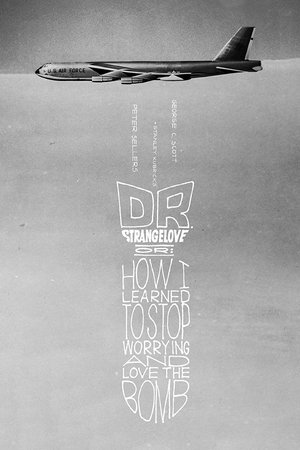
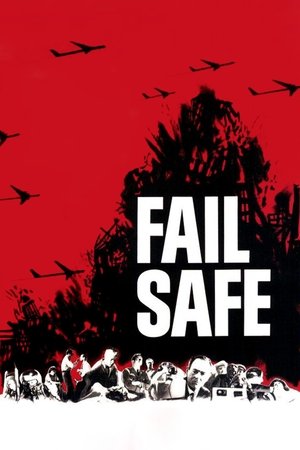
Because of a technical defect an American bomber team mistakenly orders the destruction of Moscow. The President of the United States has but little time to prevent an atomic catastrophe from occurring.
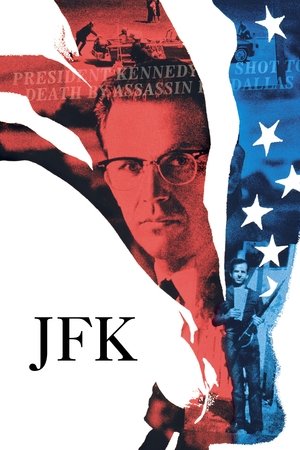
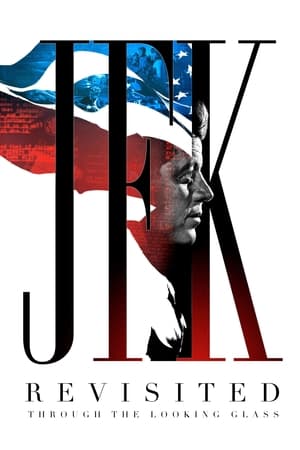
Follows the investigation into the assassination of President John F. Kennedy led by New Orleans district attorney Jim Garrison.
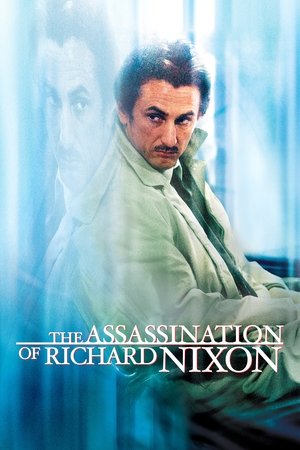
It’s 1974 and Sam Bicke has lost everything. His wife leaves him with his three kids, his boss fires him, his brother turns away from him, and the bank won’t give him any money to start anew. He tries to find someone to blame for his misfortunes and comes up with the President of the United States who he plans to murder.
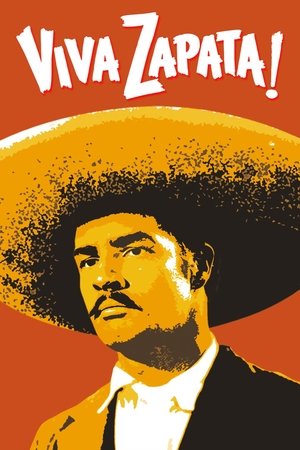
The story of Mexican revolutionary Emiliano Zapata, who led a rebellion against the corrupt, oppressive dictatorship of president Porfirio Díaz in the early 20th century.
A look at President Richard M. Nixon—a man carrying the fate of the world on his shoulders while battling the self-destructive demands from within—spanning his troubled boyhood in California to the shocking Watergate scandal that would end his Presidency.
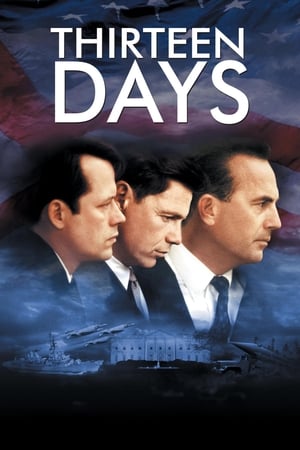
The story of the Cuban Missile Crisis in 1962—the nuclear standoff with the USSR sparked by the discovery by the Americans of missile bases established on the Soviet-allied island of Cuba.
From 1971 to 1973, Richard Nixon secretly recorded his private conversations in the White House. This film chronicles the content of those tapes, which include Nixon's conversations on the war in Vietnam, the Pentagon Papers leak, his Supreme Court appointments, and more--while also exposing shocking statements he made about women, people of color, Jews, and the media.
A fascinating account of the presidency of Andrew Jackson, who was both one of America's great presidents and a borderline tyrant. The seventh president shook up the glossy world of Washington, DC with his "common-man" methods and ideals, but also oversaw one of the most controversial events in American history: the forced removal of Indian tribes, including the Cherokees, from their homes.
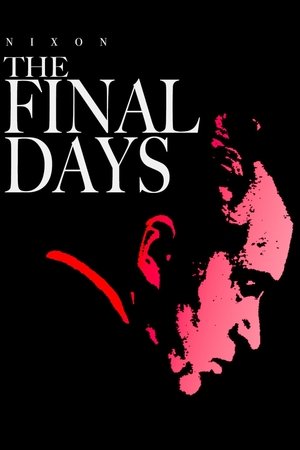
The Final Days concerns itself with the final months of the Richard Nixon presidency.
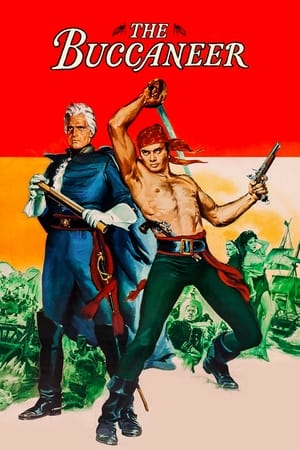
During the War of 1812 against Britain: General Andrew Jackson has only 1,200 men left to defend New Orleans when he learns that a British fleet will arrive with 60 ships and 16,000 men to take the city. In this situation an island near the city becomes strategically important to both parties, but it's inhabited by the last big buccaneer: Jean Lafitte. Although Lafitte never attacks American ships, the governor hates him for selling merchandise without taxes - and is loved by the citizens for the same reason. When the big fight gets nearer, Lafitte is drawn between the fronts. His heart belongs to America, but his people urge him to join the party that's more likely to win.