Suzuki Shizuka is an office lady at a conglomerate who is hypnotized at a local amusement park and left under the spell. Now she is compelled to sing and dance whenever she hears any melody whatsoever. She heads back to the hypnotist for relief, but he is nowhere to be found. So Shizuka sets off on a journey around Japan to find him and break the spell.
When teenager Ren and his family move from big-city Chicago to a small town in the West, he's in for a real case of culture shock after discovering he's living in a place where music and dancing are illegal.
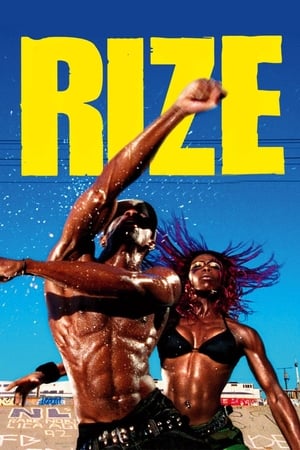
A documentary film that highlights two street derived dance styles, Clowning and Krumping, that came out of the low income neighborhoods of L.A.. Director David LaChapelle interviews each dance crew about how their unique dances evolved. A new and positive activity away from the drugs, guns, and gangs that ruled their neighborhood. A raw film about a growing sub-culture movements in America.
A man has a life-changing encounter with an otherworldly ice cream truck.
Kuk-hee, a by-the-book district office civil servant, has lived a flawless, tightly scheduled life. With a promotion imminent and her daughter's future secured, everything is going according to plan. Until it all unravels—her promotion is taken, her daughter disappears, and an unexpected emptiness sets in. Searching for balance again, Kuk-hee ends up in the last place she ever expected: a flamenco dance studio.
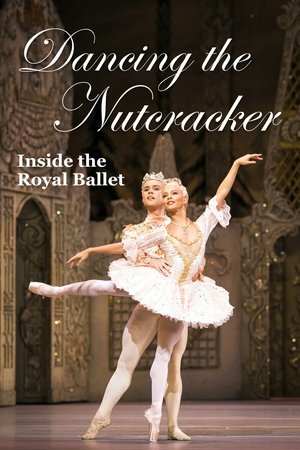
One of several collaborative dance films by the Brothers Quay & (dancer, choreographer) William Tuckett. Little enough info around on line, but there's briefly by way of Wikipedia entry. Adapted rather loosely from the works of the E.T.A. Hoffman. Familiar Quays' tropes, much in evidence: automata, trompe l'oeil effects, etc. No credit on the sound design (which is fairly elaborate), tho' that is possibly Larry Sider.
Merab, a devoted dancer, has been training for years with his partner Mary for a spot in the National Georgian Ensemble. The arrival of another male dancer, Irakli, sparks both an intense rivalry and romantic desire that may cause Merab to risk his future in dance as well as his relationships.
In the same vein as Meri's other documentations, this one takes advantage of the glasnost policy to discuss the social and ecologic impact of the Russian oil industry on the natives and the lands they inhabit.
Rainer's first film, Hand Film, was shot by fellow dancer William Davis when Rainer was confined to a hospital bed, recovering from major surgery and unable to dance. The resulting five minutes of footage is a sustained close-up shot of Rainer's hand against a grey background as it stretches and contracts, bends and points, performing the kinds of everyday, quotidian movements that characterize her pioneering minimalist choreography.
Two young dancers seek the truth after the mysterious disappearance of their mother.
A filmed version of Aaron Copland's most famous ballet, with its original star, who also choreographed.
Honey Daniels dreams of making a name for herself as a hip-hop choreographer. When she's not busy hitting downtown clubs with her friends, she teaches dance classes at a nearby community center in Harlem, N.Y., as a way to keep kids off the streets. Honey thinks she's hit the jackpot when she meets a hotshot director casts her in one of his music videos. But, when he starts demanding sexual favors from her, Honey makes a decision that will change her life.
Bounced from her job, Erin Grant needs money if she's to have any chance of winning back custody of her child. But, eventually, she must confront the naked truth: to take on the system, she'll have to take it all off. Erin strips to conquer, but she faces unintended circumstances when a hound dog of a Congressman zeroes in on her and sharpens the shady tools at his fingertips, including blackmail and murder.
A former professional dancer volunteers to teach dance in the New York public school system and, while his background first clashes with his students' tastes, together they create a completely new style of dance. Based on the story of ballroom dancer, Pierre Dulane.
King Randolph sends for his cousin, Duchess Rowena, to help turn his daughters, Princess Genevieve and her eleven sisters, into royal material. But the Duchess strips the sisters of their fun, including their favorite pastime: dancing. When all hope may be lost, the sisters discover a secret passageway to a magical land where they can dance the night away.
With Prom only hours away, the usual suspects of Cosa High (Cheerleaders, geeks, bad boys and the happy-go-lucky student council alike) are preoccupied with the annual rituals of teendom. On the night of the big dance when the dead unexpectedly rise to eat the living, polar opposite groups will be forced to unite in their final chance to save the town from the zombies.
Three sisters dance the Mikado in this very early film from the Edison company.
As played out by a theatre troupe, the last days of Jesus Christ are depicted from the perspective of Judas Iscariot, his betrayer. As Jesus' following increases, Judas begins to worry that Jesus is falling for his own hype, forgetting the principles of his teachings and growing too close to the prostitute Mary Magdalene.
We follow two boy dancers who describe their relationship with dance and how they feel about being boys in a world that is seen as "feminine" from the outset, and that it is possible for men to have different values and different relationships with dance.
Female students, including Hikari Tomonaga, from a high school cheerdance club follow strict instructions from their teacher Kaoruko Saotome. They compete at the USA Cheerdance Championship.