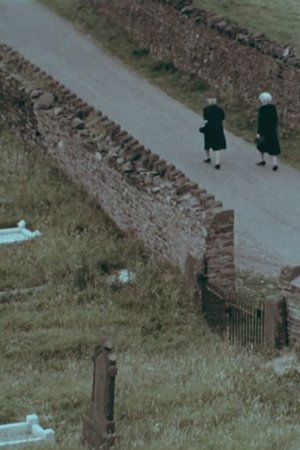
In Nova Lima, gold arrived before the city itself. Fragments of past and future intertwine in the present of this story that begins in 1834 and shows no sign of ending.
In the cobalt mining areas of Katanga in the Democratic Republic of the Congo (DRC), babies are being born with horrific birth defects. Scientists and doctors are finding increasing evidence of environmental pollution from industrial mining which, they believe, may be the cause of a range of malformations from cleft palate to some so serious the baby is stillborn. More than 60% of the world’s reserves of cobalt are in the DRC and this mineral is essential for the production of electric car batteries, which may be the key to reducing carbon emissions and to slowing climate change. In The Cost of Cobalt we meet the doctors treating the children affected and the scientists who are measuring the pollution. Cobalt may be part of the global solution to climate change, but is it right that Congo’s next generation pay the price with their health? Many are hoping that the more the world understands their plight, the more pressure will be put on the industry here to clean up its act.
In this feature documentary, filmmaker Paul Cowan offers an innovative, moving account of the Westray coal mine disaster that killed 26 men in Nova Scotia on May 9, 1992. The film focuses on the lives of three widows and three miners lucky enough not to be underground that day when the methane and coal dust ignited. But their lives were torn apart by the events. Meet some of the working men, who felt they had no option but to stay on at Westray. And wives, who heard the rumours, saw their men sometimes bloodied from accidents and stood by them, hoping it would all turn out all right. This is a film about working people everywhere whose lives are often entrusted to companies that violate the most fundamental rules of safety and decency in the name of profit.
A new uranium mill -- the first in the U.S. in 30 years -- would re-connect the economically devastated rural mining community of Naturita, Colorado, to its proud history supplying the material for the first atomic bomb. Some view it as a greener energy source freeing America from its dependence on foreign oil, while others worry about the severe health and environmental consequences of the last uranium boom.
Join the working men of a northern powerhouse: on the job in Gateshead workshops and at the long wall of a Northumberland pit.
From the creators of 31 Minutos, here comes the story of a rock that didn't want to grow up...
Images from Grängesberg's mines. The ore is loaded onto trains and transported to the port of Oxelösund.
A close examination of the Whakaari / White Island volcanic eruption of 2019 in which 22 lives were lost, the film viscerally recounts a day when ordinary people were called upon to do extraordinary things, placing this tragic event within the larger context of nature, resilience, and the power of our shared humanity.
Time-travel to a 1940s classroom with this exemplary educational film.
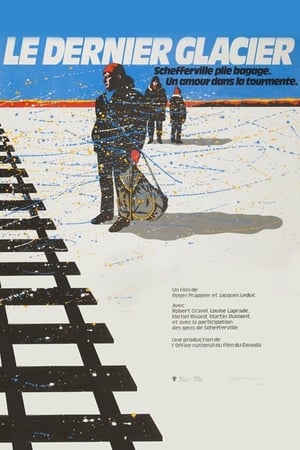
A docudrama on the closing of the town of Schefferville. When Raoul loses his job at the mine because the operations are ending, he's been settled there for ten years with Carmen and their son. They're now forced to leave the town, leaving behind the traces of an ephemeral prosperity.
Mechanisace dolů
Doly volají
Documentary marking the 30th anniversary of the 1984 miners' strike, one of the bitterest industrial disputes in British history, with stories from both sides of the conflict.
Make money. Salut, bonsoir!
Lee Anne Schmitt explores California's landscape and past to document the history of one-time boom towns built and abandoned by the industries that necessitated their creation. Sold as a limitless land expansive with free opportunity, California was actually, from its onset, fissured by the interwoven needs of private and public interests. Schmitt's film covers various locations through time, as the major industries of the early 20th century (mining, lumber, oil) give way to the military, eventually leading to multinational corporations, and the use of small towns as satellites for growing urban metropolises.
Warwick company newsreel material of the Universal Colliery at Senghenydd on fire after an explosion on 14th October 1913, and footage of a funeral procession for some of the 439 mine workers who were killed, is followed by a collage of images of the town and its people as they are 50 years later. Wynford Vaughan Thomas, narrating his own commentary, wonders if "colour"- superficial re-decoration – can really make any difference to "the inner heart of Senghenydd". Shot on spare, blank pieces of film by James Clark. Assisted by local amateur photographer and former miner Bill Probert. Script written and narrated by Wynford Vaughan Thomas. 1964.
Documentary about a Finnish mining company struggling with production and environmental management problems.
A film about the first benefit rock concert when major musicians performed to raise relief funds for the poor of Bangladesh. The Concert for Bangladesh was a pair of benefit concerts organised by former Beatles guitarist George Harrison and Indian sitar player Ravi Shankar. The shows were held at 2:30 and 8:00 pm on Sunday, 1 August 1971, at Madison Square Garden in New York City, to raise international awareness of, and fund relief for refugees from East Pakistan, following the Bangladesh Liberation War-related genocide.
Dakota Fred Hurt, Dustin Hurt and the Richardson brothers battle nature, time, and death itself to strike gold under a huge waterfall. This film documents what Fred and Dustin were up to since they left Discovery's GOLD RUSH, and it's the prequel to Discovery's new show starring this team called GOLD RUSH: WHITE WATER.
The enthralling, against-all-odds story that transfixed the world in 2018: the daring rescue of twelve boys and their coach from deep inside a flooded cave in Northern Thailand.